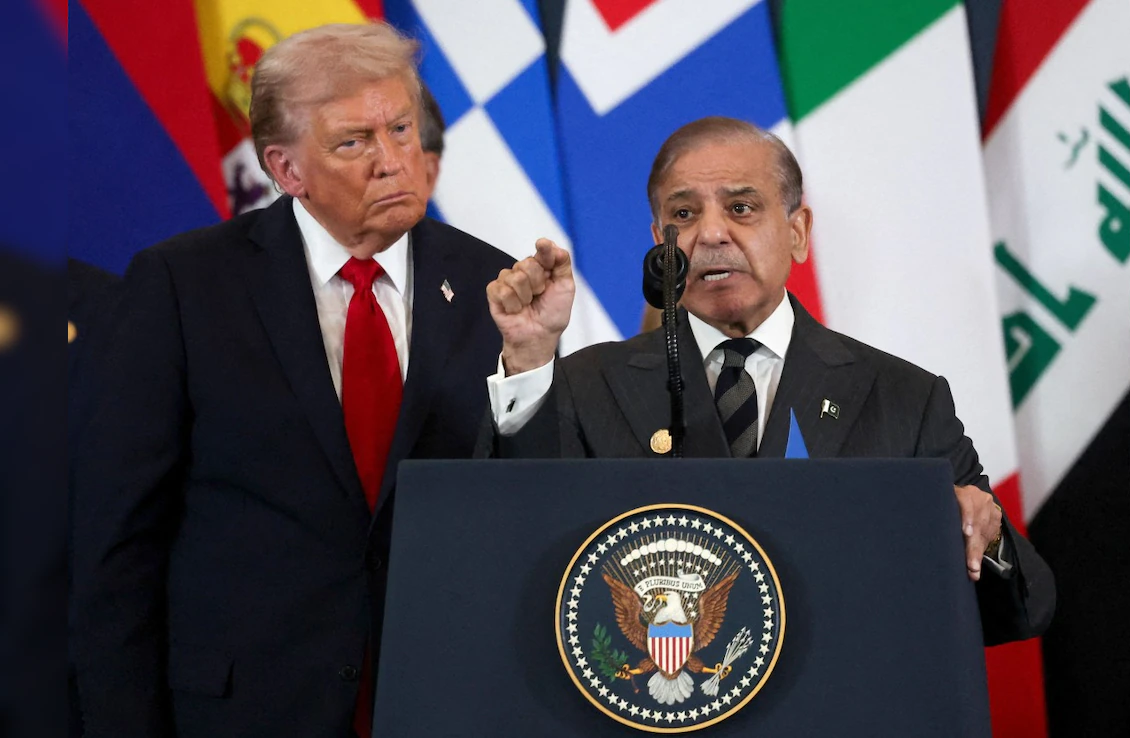
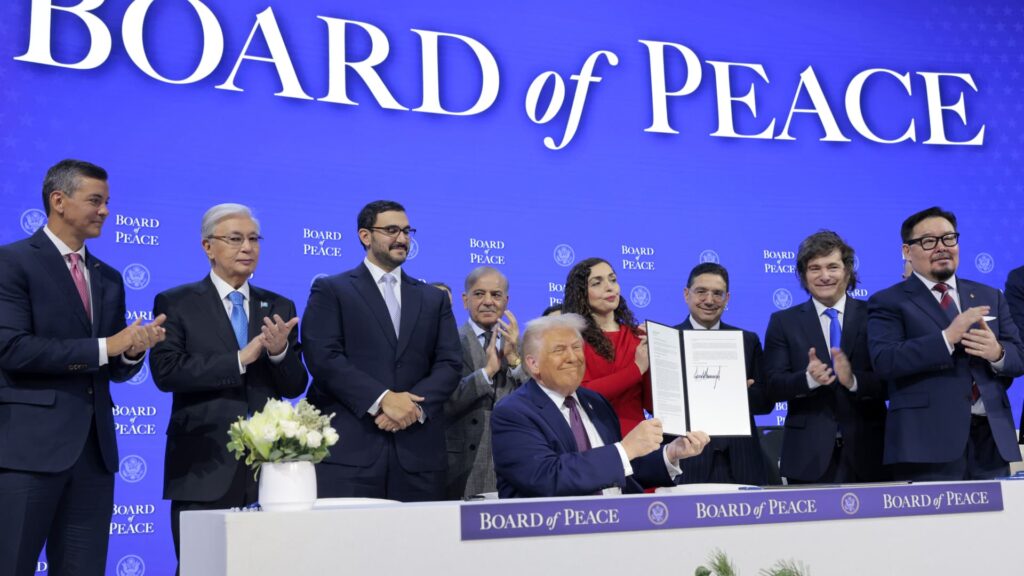
In a major development at the World Economic Forum in Davos, US President Donald Trump officially launched his “Board of Peace” on Thursday, January 22, 2026. This new international body is designed to oversee the reconstruction of Gaza and resolve global conflicts.
While the event was attended by several world leaders, it highlighted a very different approach by South Asian neighbors. Pakistan’s Prime Minister Shehbaz Sharif was present on the stage to sign the charter, but India decided to stay away from the ceremony, choosing not to join the initiative for now.
The $1 Billion Membership and Trump’s Vision
The Board of Peace has been a topic of much debate in Davos. President Trump, who serves as the lifelong Chairman, has described it as a “magnificent effort” to bring stability to the Middle East. However, the board’s rules are quite unique. According to reports, a permanent seat on the board requires a massive contribution of $1 billion. Countries that do not pay this amount are only allowed to participate for three-year terms. Furthermore, the board operates outside the usual rules of the United Nations, giving the Chairman exclusive power to make big decisions and appoint members.
Islamabad’s Strategic “Yes” to Washington
For Pakistan, joining the board is seen as a way to stay relevant in global diplomacy and support the Palestinian cause. The Pakistani Foreign Ministry stated that by joining, they hope to push for a permanent ceasefire in Gaza and help in the “beautiful” rebuilding of the territory. Prime Minister Shehbaz Sharif was in Davos to show that Pakistan is eager to work closely with the Trump administration’s new peace plan. Islamabad sees this as an opportunity to secure international support and play a role in a major US-led project during a time of economic difficulty at home.
New Delhi’s “Wait and Watch” Policy
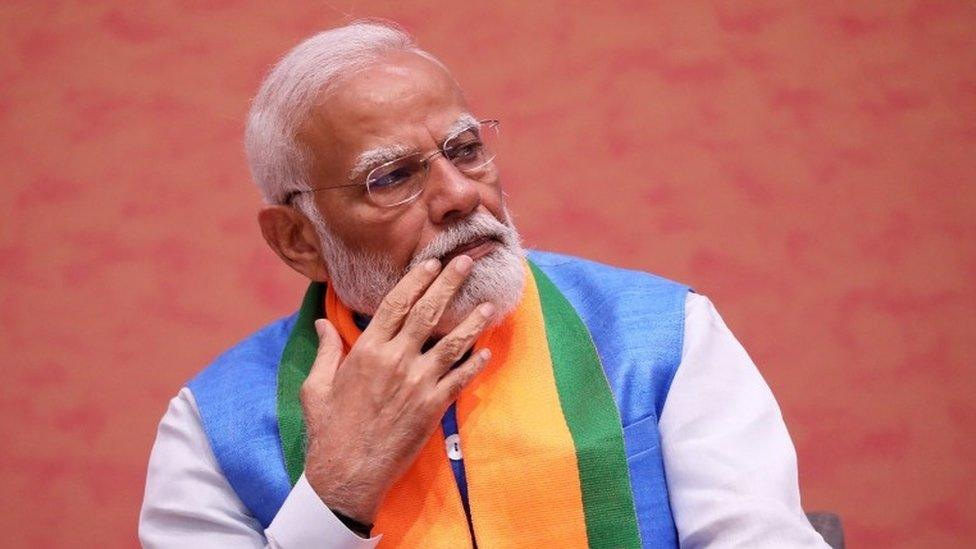
India, however, has been much more cautious. Even though Prime Minister Narendra Modi received a personal invitation from President Trump, New Delhi did not send any high-ranking official to the signing ceremony. Indian experts say the government is worried about “sovereignty” issues. India has always supported the United Nations and is not comfortable with a private board that tries to replace the UN’s authority. There are also concerns that the board is too focused on “real estate” and commercial interests in Gaza, rather than finding a long-term political solution for the people there.
Concerns Over Cross-Border Issues and UN Authority
Another major reason for India’s hesitation is the presence of Pakistan as a founding member. Indian officials have often pointed out the irony of Pakistan joining a “Peace Board” while New Delhi continues to raise issues about terrorism coming from across the border. Many in India feel that joining such a board would mean following a US-dictated agenda that might not suit India’s independent foreign policy. While India continues to send humanitarian aid to Gaza through traditional channels, it is not ready to pay a $1 billion fee to join a group where one person holds all the power.
A Divided Global Response
As the Davos summit ends, the “Board of Peace” remains a controversial topic. While Trump claims that “everybody” wants to join, many of his traditional allies in Europe, like the UK and France, have also stayed away. For now, India is maintaining a “wait and watch” policy. New Delhi wants to see if this board actually brings peace or if it is just a way for the US to control global affairs through a private club. The world is watching to see if this new “Board” can truly deliver stability or if it will simply become another tool for “deal-making.”
Senior Journalist
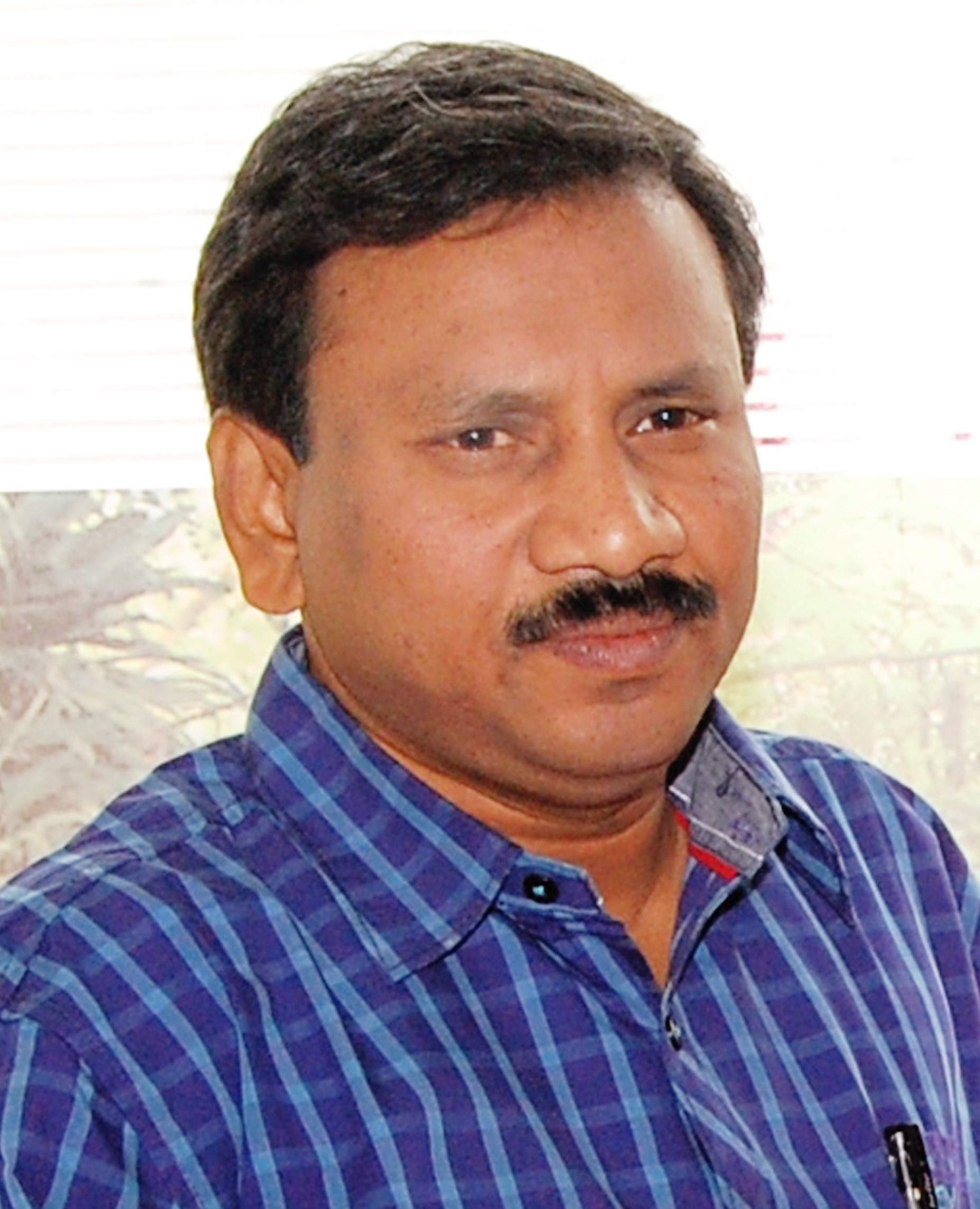
Anand Gantela is a seasoned media professional with nearly three decades of experience across the spectrum of Indian journalism. Having worked extensively in both print and broadcast media, he has held key positions at renowned outlets such as Prajashakthi, Andhra Bhoomi, Mudra, Media India, Siti Cable, Mana Telugu, and Maa TV. From ground-level reporting to managing news bureaus and overseeing bulletin production, Anand has witnessed the evolution of news firsthand. His wealth of experience reflects a deep understanding of the dynamic and ever- evolving landscape of news reporting.
Email: gantela.anand@gmail.com
Mobile: 7893549889