- The Pattern of Interruption-
- Why Grand Ambitions Falter in Amaravati
- Legacy of the Displaced-
- A History of Fallen Rulers and Lost Kingdoms
- The Struggle of the Soil-
- Modern Governance vs. Geographic Reality
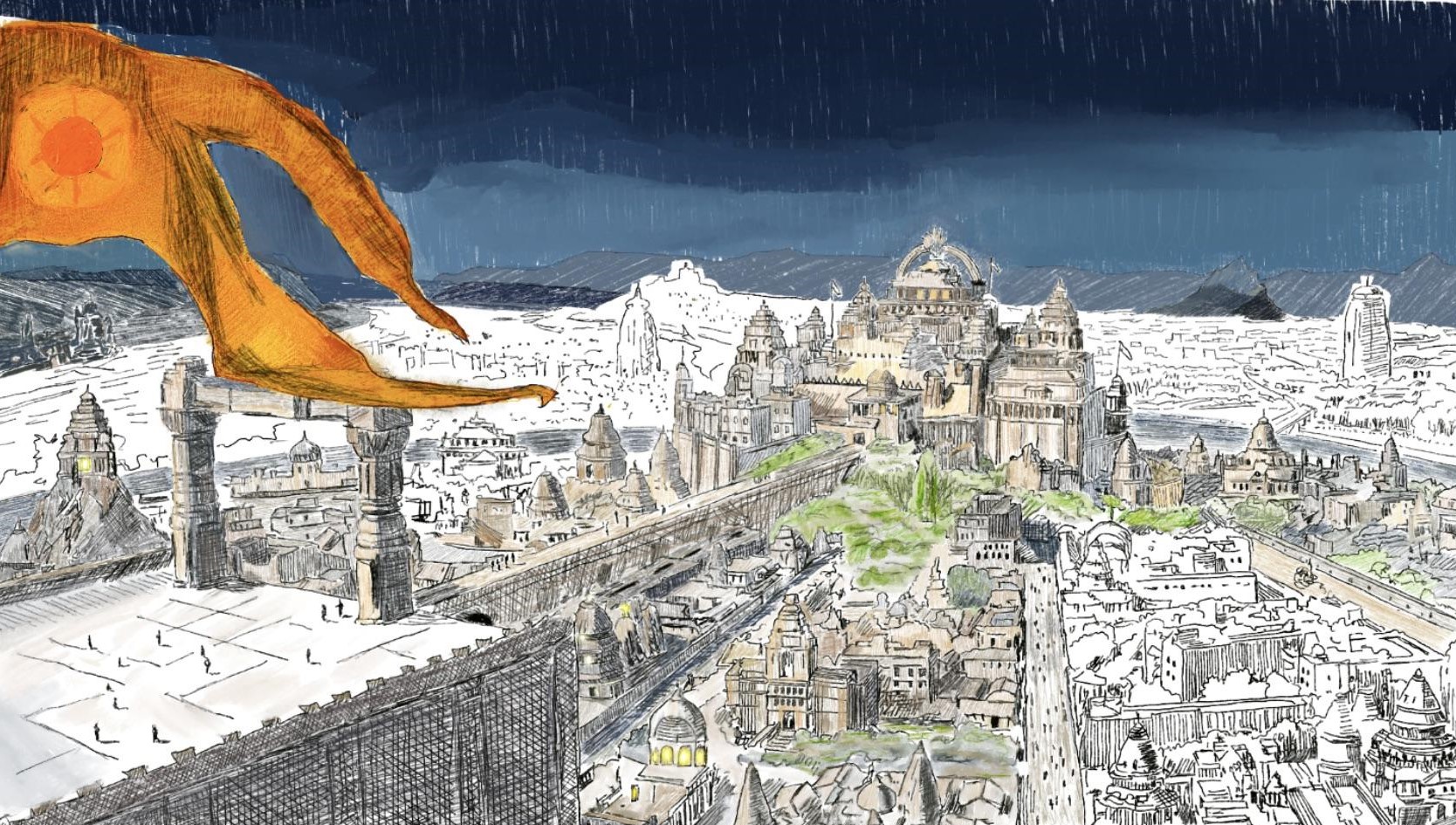
Throughout history, certain names carry a weight that transcends their literal meaning. In the landscape of Indian history and mythology, Amaravati literally translating to the “City of Immortals” presents a fascinating and somewhat eerie paradox. While the name suggests eternal life and divine stability, a recurring pattern in puranic lore and modern history suggests a different narrative that kingdoms tethered to this name struggle to endure.
The Divine Origin and the Cycle of Displacement
In Hindu mythology, Amaravati is the celestial capital of Indra, the King of the Devas. While it is described as a place of unparalleled splendor, it is rarely a place of permanent peace. Puranic records frequently depict Indra being ousted from his capital by various Asura kings, such as Bali or Taraka.
Though the Devas eventually reclaim the city, the mythological precedent is one of instability and temporary tenure. Unlike the eternal nature of Vaikuntha or Kailash, Amaravati is a capital that is constantly won, lost, and fought over a symbolic “revolving door” of power that seems to have left a mark on its earthly namesakes.
The Historical Shadow: The Satavahanas and Beyond
In the historical context of Andhra Pradesh, the ancient city of Dharanikota (adjacent to modern Amaravati) served as the secondary capital for the Satavahana Dynasty. While the Satavahanas were one of India’s longest-ruling empires, it is notable that their decline accelerated as power centers shifted.
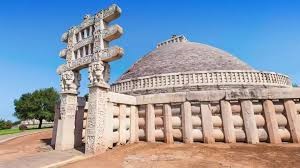
Subsequent dynasties, including the Ikshvakus and the Pallava, held influence over the region, but none could establish a long-term, multi-generational seat of power that rivaled the longevity of cities like Pataliputra or Delhi. The region remained a magnificent center for Buddhism and art yielding the world-famous Amaravati Stupa yet as a political nerve center, it consistently faded into the shadows of history, eventually becoming a site of ruins rather than a seat of governance.
The Modern Chronicle: A Reappearing Pattern?
The most striking chapter of this “Amaravati curse” narrative is written in the present day. Following the bifurcation of Andhra Pradesh in 2014, the city was envisioned as a world-class “People’s Capital.” However, the project has faced a decade of unprecedented hurdles. Political Volatility: Massive shifts in state leadership led to the halting of construction and a radical proposal for “Three Capitals,” effectively stripping Amaravati of its status as the sole power center.
Legal and Financial Quagmires
From land pooling controversies to the withdrawal of international funding, the city has struggled to move past the blueprint stage. Environmental Concerns: Situated on the banks of the Krishna River, the region has faced scrutiny regarding floodplains and sustainability. For the modern observer, the struggle to build a stable administration in Amaravati mirrors the ancient and mythological cycles of disruption. Surprisingly, like Indra, who begged ‘Lord Vishnu’ to get back his kingdom after getting frequently ousted by the Danava kings, present and past CMs appealed the Prime Minister for the development of Amaravati and the three capital theory.
Myth or Coincidence?
Skeptics argue that the “curse” is merely a collection of historical coincidences fueled by geography and shifting political tides. However, for those who study the cultural psyche of the region, the pattern is hard to ignore. Whether it is the recurring displacement of Indra in the Puranas or the fading of the Satavahana glory, Amaravati seems to attract grand ambition followed by sudden interruption.
This pattern is also evident in the life of Vasireddy Venkatadri Naidu, the local hereditary ruler of the Amaravati region. His reign was marked by unpleasant experiences and early tragedy; his father was killed at the hands of the Nizam’s army while Venkatadri was still a child. Despite his efforts to build and patronize the region, his legacy remains tied to a period of significant upheaval.
The contemporary political tug-of-war has further fuelled this narrative of instability. The capital project has witnessed a series of contentious issues, beginning with the massive land-pooling initiative led by then-Chief Minister Nara Chandrababu Naidu. This triggered an outcry from farmers who felt they did not receive their promised share of developed land after handing their property over to the government. Allegations of prevailing corruption and the logistical nightmare of waterlogging affecting nearly 8,000 acres every monsoon added to the site’s complications.

To combat the flooding, authorities had to resort to lifting water from the Kondaveetivagu stream by erecting high-powered pumping engines. Despite these hurdles, the demand for another 44,000 acres for capital expansion created further friction. The subsequent shift in governance led to Jaganmohan Reddy mooting the “Three Capitals” plan, which plunged the region into a state of prolonged ambiguity. To this day, the dream of Amaravati remains caught between grand visions and a persistent cycle of setbacks.
Conclusion
Is Amaravati truly a “cursed” name? Perhaps it is more accurate to say it is a testing ground. The name implies a divine standard, earthly, even divine rulers found difficult to maintain. As Andhra Pradesh continues its journey to define its identity, the ghost of Amaravati’s past serves as a reminder that a capital requires more than just a grand name it requires a foundation that can withstand the volatile cycles of nature, time and politics.

Editor, Prime Post
Ravindra Seshu Amaravadi, is a senior journalist with 38 years of experience in Telugu, English news papers and electronic media. He worked in Udayam as a sub-editor and reporter. Later, he was associated with Andhra Pradesh Times, Gemini news, Deccan Chronicle, HMTV and The Hans India. Earlier, he was involved in the research work of All India Kisan Sabha on suicides of cotton farmers. In Deccan Chronicle, he exposed the problems of subabul and chilli farmers and malpractices that took place in various government departments.
Email: ravindraseshu7@gmail.com
Mobile: 9063718675

As committe (may be srinivasan committee) decided Amaravathy is not at all right place for Capital construction. It’s a looze soil on the bank of Krishna River. Committee already examined and spelt that it’s not right place as it is looze soil. But, it is overlooked due to various personal interests. It’s a open secret.
As per Hindu Mythology Name & Time matters. Even most of us do change our name by adding or deleting some letters from our name as per Numerology.
Atheists might not believe in this and feel this as a trash, but when you see ongoing activities and tethering problems surrounded in forming & new capital for AP, might require change of name to speed up the process.
Even for naming a new born child we consider celestial aspects of the time he is born and decide with what letter or meaning his name should be.
When it comes to State Capital just think how important it is.
Superstition or planning with intelligence the capital Amaravati is ill conceived.
This failing is present throughout our country. Vested interests convert fertile land into concrete jungles. Killing the high yielding agro industry.
There are many places available which can be developed away from the riverbasins. Heartbreaking to say the least.
Very rightly said Sir. Killing highly yield Agro Industries. Very true.