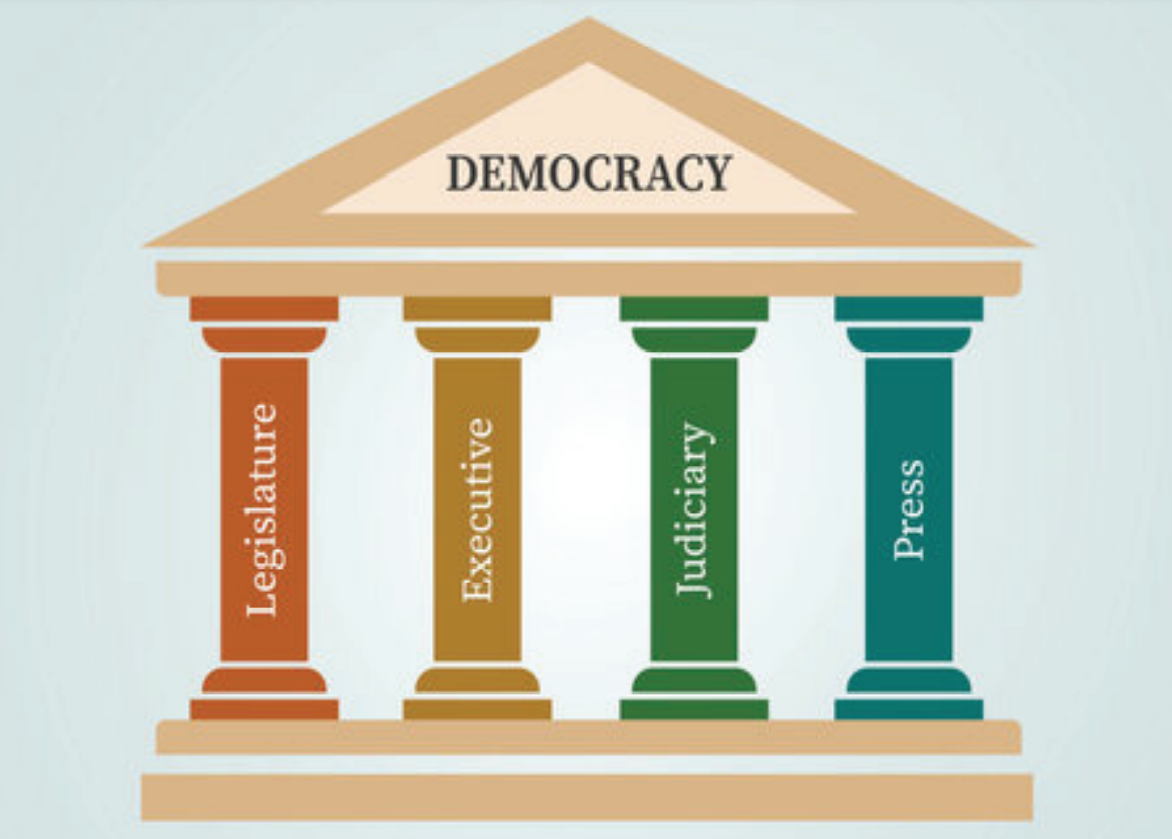
- A “Law against Law” Crisis-
- The Breakdown of Cooperative Federalism
- The Flashpoint: Raids, Retaliation, and Data
In the high-stakes theatre of Indian politics, the recent confrontation between the Enforcement Directorate (ED) and the West Bengal government has escalated into what many observers describe as a constitutional crisis. The January 2026 raids on the Indian Political Action Committee (I-PAC) office in Kolkata and the subsequent personal intervention by Chief Minister Mamata Banerjee mark a new and “ugly” chapter in the on-going war between the NDA-led Centre and the Trinamool Congress (TMC). It focuses on the erosion of institutional “sheen” and the strain on India’s federal fabric.
The spark for the current firestorm was an ED investigation into an alleged money-laundering trail linked to a 2020 coal smuggling case. The agency targeted I-PAC, the consultancy firm that has been the architectural backbone of the TMC’s recent electoral successes.
Allegation of “Political Espionage”- State’s Counter-Strike

Mamata Banerjee’s dramatic physical arrival at the raid sites was not merely a protest against an investigation; it was a defense of political intellectual property. The TMC’s core argument is that the ED was not looking for “coal money” but for the party’s internal election strategy, candidate lists, and digital data for the upcoming Assembly elections.
In an unprecedented move, the West Bengal government filed FIRs against the ED officials, accusing them of theft and unauthorized seizure of documents. This “law against law” approach has turned a central investigation into a local criminal case, forcing the Calcutta High Court to intervene to protect central officers from arrest by state police.
Centre’s Argument (NDA) – State’s Argument (TMC)
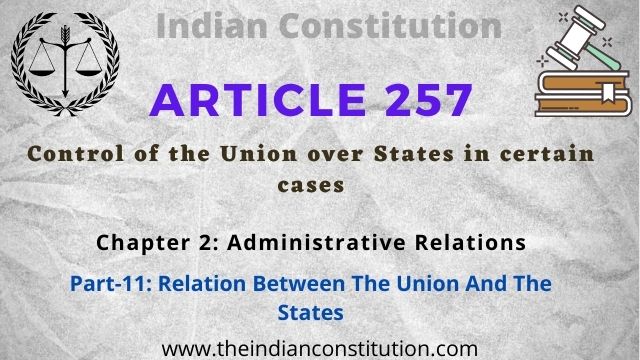
The “sheen” of central agencies like the ED and CBI is undeniably dulling under the weight of perceived partisanship. For a fine and judicious view, one must look at both sides of the coin. The ED is empowered by the PMLA (Prevention of Money Laundering Act) to follow the money trail wherever it leads, including political consultants. Central agencies are being “weaponized” as a “Frontal Org” of the BJP to harass opposition leaders before elections. A Chief Minister interfering with a physical raid is an obstruction of justice and a violation of Article 257, which requires states to comply with central laws. The raids are “irrational” and timed specifically to disrupt the TMC’s campaign machinery, bypassing the state’s sovereignty. Agencies claim they are evidence-based and have recovered physical proof of hawala transactions. The lack of convictions in high-profile political cases suggests the goal is “process as punishment” rather than justice.
The Federal Fallout: A “Bulldozed” Structure?
This tussle is a symptom of a deeper malaise in Indian federalism. When the Centre uses its “unbridled powers of search and seizure” and the State responds with “police-led retaliation,” the casualty is the trust-deficit between the two tiers of government. Many observers pointed out on the weaponization of Agencies by the central government. If the public perceives that the ED only raids opposition-ruled states, the agency loses its character as an independent watchdog and becomes a political tool. If State governments begin filing FIRs against every central officer who enters their territory, it creates a “no-man’s land” where national laws cannot be enforced.
“The environment in the courtroom is not conducive to commence the hearing”, Justice Suvra Ghosh, Calcutta High Court (January 9, 2026), after lawyers from both sides turned the legal battle into a shouting match. The Kolkata standoff is a warning. If the central agencies lose their “sheen” of neutrality, they lose their efficacy. Conversely, if state governments use their police force to physically block federal investigations, the constitutional machinery breaks down.
A judicious resolution requires
The courts must ensure that ED raids are strictly limited to financial crimes and do not become “fishing expeditions” for political data. The Centre must be seen as impartial, while the State must respect the statutory powers of central investigators. Without a return to “cooperative federalism,” the ugly affair in Kolkata may become the blueprint for a fragmented India where every raid is a riot and every investigation is an insurrection.
Tailpiece – “As the primary authority of the nation, the Central Government must maintain its decorum and neutrality in the eyes of State Governments and the public. If the Enforcement Directorate (ED) loses its credibility, it reflects a failure by the Centre to protect the integrity of its institutions. The unprecedented move by a State Government to file criminal cases against ED officials for seizing election materials is a sign of deep institutional decay. This escalating conflict serves no one and undermines the democratic fabric of the country.” For a democracy to function, the “sheen” of an agency is its most vital armour. If the people and the State governments stop seeing the ED as an impartial arbiter of justice, the agency loses the moral authority required to enforce the law.

Editor, Prime Post
Ravindra Seshu Amaravadi, is a senior journalist with 38 years of experience in Telugu, English news papers and electronic media. He worked in Udayam as a sub-editor and reporter. Later, he was associated with Andhra Pradesh Times, Gemini news, Deccan Chronicle, HMTV and The Hans India. Earlier, he was involved in the research work of All India Kisan Sabha on suicides of cotton farmers. In Deccan Chronicle, he exposed the problems of subabul and chilli farmers and malpractices that took place in various government departments.
Email: ravindraseshu7@gmail.com
Mobile: 9063718675
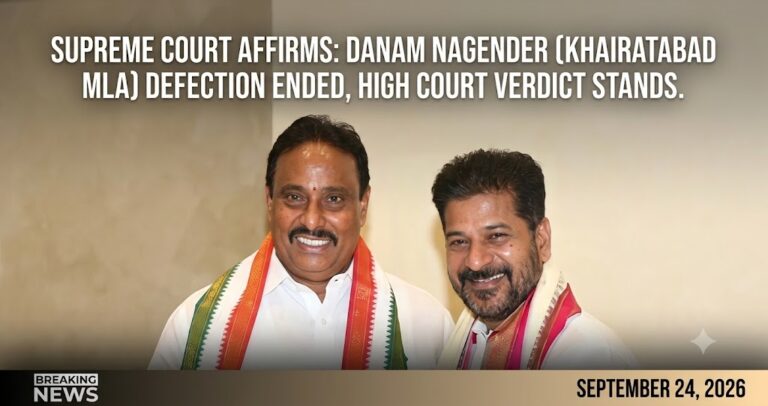





Usage of Central Agencies by Centre and State Agencies by incubating State Govt for political witch hunt has started way back during Indira Gandhi’s regime.
When the Fourth Pillar of Democracy is acting on ventilator these things will not see & face scrutiny.
It’s like trying to curb the tiger by riding on it.