
For decades, the Union Budget was presented on the last day of February. However, since 2017, February 1st has become the most important date on India’s financial calendar. As we approach the 2026 Budget, a unique situation has arisen: February 1st falls on a Sunday. This has sparked an intense debate on whether Finance Minister Nirmala Sitharaman will stick to the tradition or move the announcement to Monday, February 2nd.
Why the Date Was Changed
The shift to February 1st was not just for a change of pace; it was a strategic move by the late Finance Minister Arun Jaitley in 2017. Before this, presenting the budget at the end of February meant the legislative process often spilled over into the new financial year, which starts on April 1st.
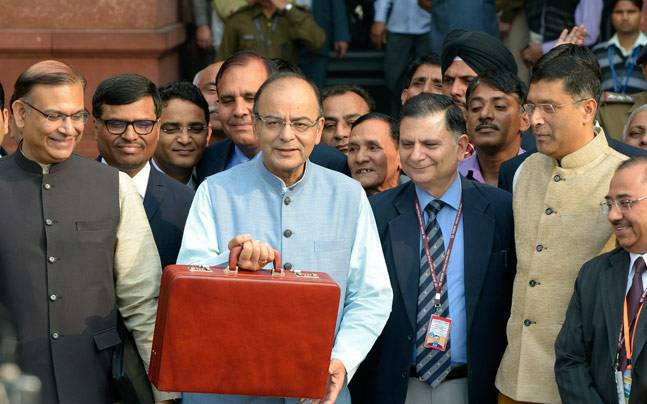
Because the budget wasn’t fully passed by then, the government had to seek a “Vote on Account”—essentially a temporary permission to spend money for the first few months of the year. By moving the date to February 1st, the government now has two full months to finish discussions and voting. This ensures that every department has its allocated funds ready to spend the moment the new financial year begins on April 1st.
Tradition vs. The Calendar
The question now is whether the “February 1st Tradition” is strong enough to override a Sunday. While Sundays are typically holidays, the government has several precedents for working through the weekend. In 2025, the budget was presented on a Saturday. Even further back, Arun Jaitley presented budgets on both a Saturday (2015) and a Sunday (2016).

Minister Kiren Rijiju has noted that the Cabinet Committee on Parliamentary Affairs will make the final decision. If they choose Sunday, it will signal that maintaining the schedule for the financial cycle is the top priority. If they choose Monday, it will be a nod to the practical convenience of the banking and stock market sectors.
Past Exceptions and Future Decisions
History shows that Parliament is capable of flexibility. From emergency sessions during the COVID-19 pandemic to celebratory sessions like the 60th anniversary of Parliament in 2012, the House has met on Sundays before. Ultimately, the February 1st tradition matters because it represents efficiency and planning. Whether it happens on a Sunday or is pushed by 24 hours, the goal remains the same: ensuring the Indian economy has a clear roadmap and authorized funding before the clock strikes midnight on March 31st.

Senior Journalist
Anand Gantela is a seasoned media professional with nearly three decades of experience across the spectrum of Indian journalism. Having worked extensively in both print and broadcast media, he has held key positions at renowned outlets such as Prajashakthi, Andhra Bhoomi, Mudra, Media India, Siti Cable, Mana Telugu, and Maa TV. From ground-level reporting to managing news bureaus and overseeing bulletin production, Anand has witnessed the evolution of news firsthand. His wealth of experience reflects a deep understanding of the dynamic and ever- evolving landscape of news reporting.
Email: gantela.anand@gmail.com
Mobile: 7893549889