- From Panama’s Canal to Venezuela’s Crude
- The “Narco-State” Label as a Geopolitical Tool
- The Price of “Democracy”: Who Really Benefits from a Decapitated State?
The events of January 3, 2026 the day U.S. special operations forces captured Venezuelan President Nicolás Maduro in Caracas mirror a historical script written 36 years ago. On the exact same date in 1990, Panamanian dictator Manuel Noriega surrendered to U.S. forces after Operation Just Cause.
While the decades and names have changed, the geopolitical logic remains strikingly consistent the marriage of moral justification with strategic resource control. However, the massive, multi-billion dollar refineries along the U.S. Gulf Coast were designed decades ago to process “Heavy Sour Crude”—the thick, sludge-like oil found in Venezuela’s Orinoco Belt.
Justice and Democracy
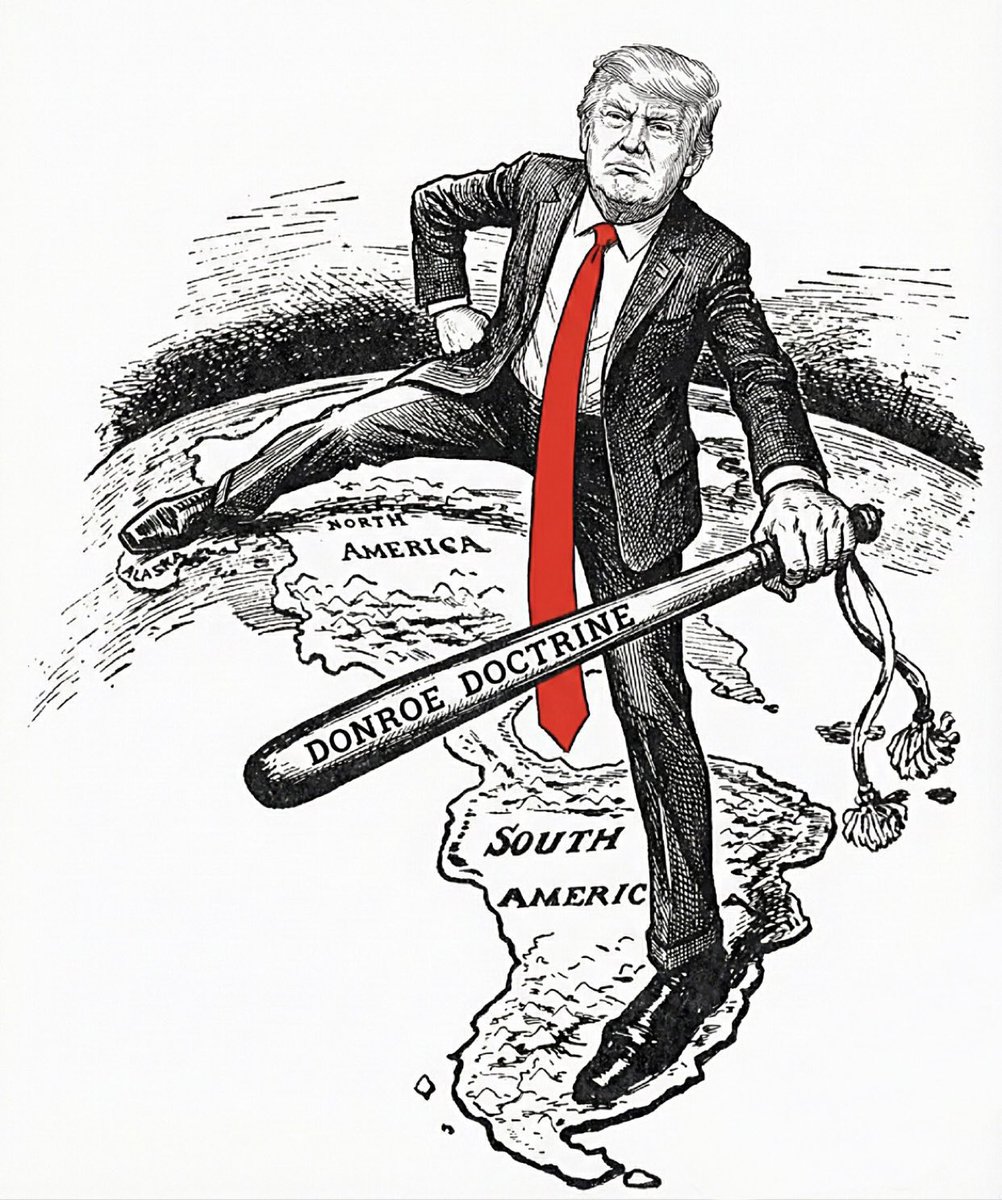
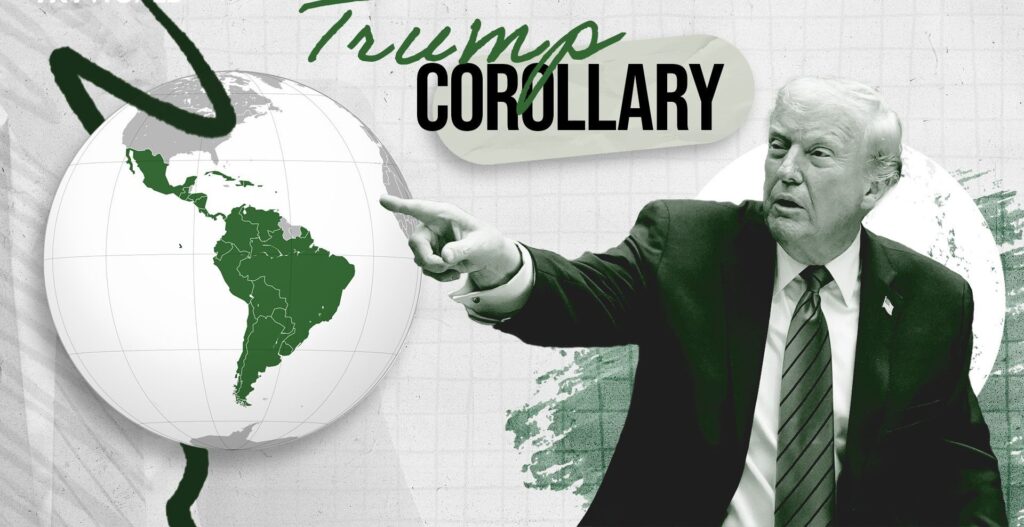
In both instances, the United States framed its intervention as a law enforcement action rather than an act of war. The U.S. cited the need to protect American lives, defend democracy, and apprehend Noriega on drug trafficking charges. The current administration justifies “Operation Absolute Resolve” through a $50 million bounty, narco-terrorism indictments, and the “Trump Corollary” to the Monroe Doctrine, which asserts U.S. preeminence in the Western Hemisphere.
It’s Always About the “Flow”
History suggests that while drug charges provide the legal pretext, “choke points” and commodities provide the motivation. In 1989, the primary “vested interest” was the Panama Canal. With the 1999 deadline for transferring control of the canal approaching, the U.S. could not risk a hostile, unpredictable leader sitting atop one of the world’s most vital trade arteries.
In Venezuela, the prize is liquid. Venezuela holds over 303 billion barrels of proven oil reserves roughly 17% of the global total. Following years of sanctions that crippled the state-run PDVSA, the U.S. has now explicitly stated its intent to “run” the country during the transition, with President Trump noting that American oil giants will be “very much involved.”
Drug kingpin is convenient label
The Pattern of “Regime Change”Critics argue that the “drug kingpin” label is a convenient tool used to delegitimize leaders who defy U.S. economic interests. Noriega was a former CIA asset who became “inconvenient” when he stopped following Washington’s lead. Maduro (and Hugo Chávez before him) moved to nationalize oil assets and pivot exports toward China and Russia, directly challenging the U.S. energy hegemony. Feature Panama (1989) and Venezuela (2026) Operation are name just cause. Drug Trafficking and narco-terrorism are just for strategy.
A New Era of Interventionism?
The capture of Maduro marks a shift from the “maximum pressure” economic sanctions of the early 2020s to direct kinetic intervention. For the world, it signals that the “Monroe Doctrine” is no longer a historical relic but a modern mandate. To supporters, it is a necessary excision of a criminal regime. To detractors, it is a “crude” grab for energy security under the guise of a badge and a warrant.As the dust settles in Caracas, the question remains: is the goal a free Venezuela, or a Venezuela whose “black gold” flows exclusively North?

Editor, Prime Post
Ravindra Seshu Amaravadi, is a senior journalist with 38 years of experience in Telugu, English news papers and electronic media. He worked in Udayam as a sub-editor and reporter. Later, he was associated with Andhra Pradesh Times, Gemini news, Deccan Chronicle, HMTV and The Hans India. Earlier, he was involved in the research work of All India Kisan Sabha on suicides of cotton farmers. In Deccan Chronicle, he exposed the problems of subabul and chilli farmers and malpractices that took place in various government departments.
Email: ravindraseshu7@gmail.com
Mobile: 9063718675