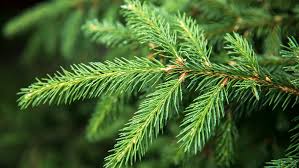
Yes, all the glitters are not gold, but shimmer of ‘Norway Spruce’ tree is really yellow metal. You heard it absolutely right! In a discovery that sounds like something out of a fantasy movie, scientists in Finland have confirmed that certain trees are indeed holding tiny amounts of gold. Specifically, the needles of the native ‘Norway Spruce’ trees in the country’s forests contain microscopic particles of the precious metal. This amazing finding has kicked off a brand-new discussion in the world of science.
This incredible phenomenon was spotted in the forests close to the Kittilä gold mine in the northern part of Finland. The Kittilä mine is one of the largest gold producers in the whole of Europe. A joint team of researchers from the Geological Survey of Finland and the University of Oulu took on the task of studying this wonder. They examined 23 Norway Spruce trees and collected 138 samples of their needles for in-depth analysis using high-powered microscopes.
What they found was truly surprising: nano-sized gold particles were present right inside the leaves, especially concentrated at the tips. These particles are incredibly small, you can’t see them with your naked eye, but their presence deep within the plant tissue proved that the gold was being actively absorbed by the tree, not just settling on the surface as dust.
How the Trees Absorb Gold
The scientists have now figured out the step-by-step process of how this happens. The gold that naturally exists in the deep layers of the earth gets dissolved into the groundwater. As the tree’s extensive roots drink this water, the soluble gold is carried up through the plant’s structure and moves right up to the needles.
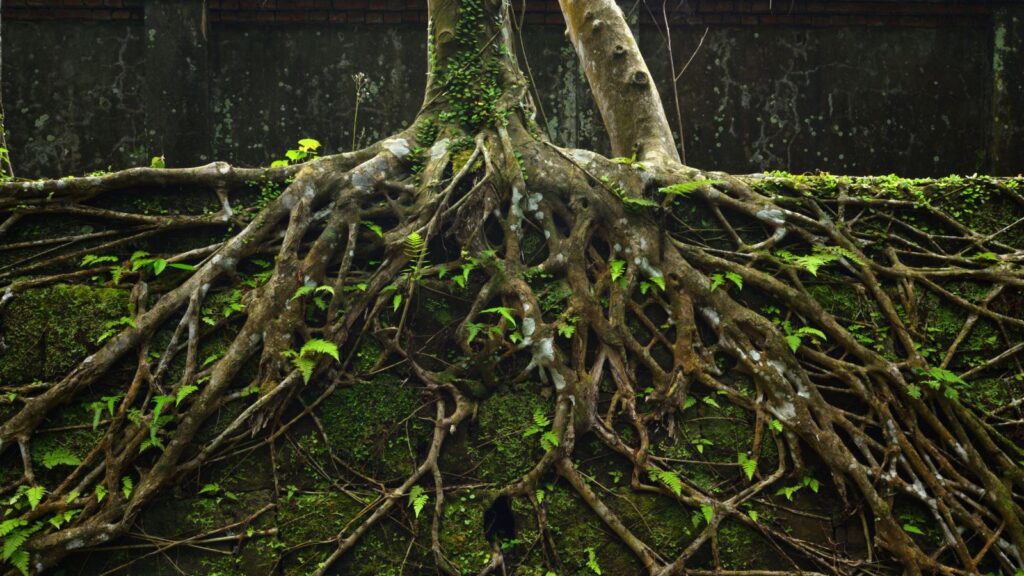
The real key player here is not just the tree, but the tiny life forms living within it. Certain types of bacteria, known as ‘endophytes’, and other microorganisms play a vital role. These microbes create a sort of sticky coating or film around themselves inside the needles. In this small, protected environment, they act like miniature chemical labs. They convert the dissolved, liquid form of gold back into solid, metallic nanoparticles, which are then safely stored inside the leaves.
A New Way to Hunt for Minerals
The researchers have clarified that not every single spruce tree has this gold. It’s only found in trees in areas where the soil quality, underground water flow, and the presence of these specific gold-processing microbes are just right.
While the amount of gold in a single tree is too minute to be worth mining, the discovery is a huge deal for the future of mineral hunting. This research strengthens a technique called biogeochemistry. Instead of digging blindly or drilling expensive boreholes, geologists can simply collect leaf samples. By identifying the specific microbial “fingerprints” and the tiny gold particles, they can pinpoint the location of large, hidden gold deposits deep underground. This offers a greener, more cost-effective, and less invasive way to explore for precious metals. Scientists are now continuing their studies to fully explore and use this amazing natural phenomenon.

Senior Journalist
Anand Gantela is a seasoned media professional with nearly three decades of experience across the spectrum of Indian journalism. Having worked extensively in both print and broadcast media, he has held key positions at renowned outlets such as Prajashakthi, Andhra Bhoomi, Mudra, Media India, Siti Cable, Mana Telugu, and Maa TV. From ground-level reporting to managing news bureaus and overseeing bulletin production, Anand has witnessed the evolution of news firsthand. His wealth of experience reflects a deep understanding of the dynamic and ever- evolving landscape of news reporting.
Email: gantela.anand@gmail.com
Mobile: 7893549889