- Unstoppable Talent at the New Frontier
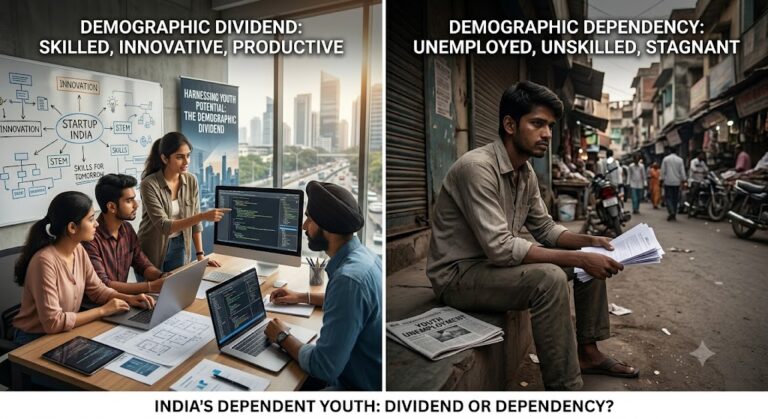
- The Changing Face of Indian Youth
- Technical Talent and the Ethical Choice
Driven by the adage ‘where there is a will, there is a way,’ engineering graduates from rural backgrounds are venturing beyond the software industry. They are exploring diverse sectors to establish innovative businesses and build their own unique brand identities. These graduates gauge the new demand to their ventures and stood as successful. Today’s youth are strategically choosing both rural and urban landscapes to realize their entrepreneurial goals, bridging the gap between traditional roots and modern markets.” The modern generation of graduates understands that rural hamlets are the new frontiers of growth, emerging as micro-economic engines that drive national progress.
The PEB Triumph
- How Two Engineers are Disrupting the Construction Industry

Engineering graduates Pynam Avinash (Civil) and Adapa Srikanth (Mechanical) are proving that determination paves the way for innovation. After a brief tenure in the Pre Engineered Buildings (PEB) sector, the duo identified a massive market gap and launched Pynam Constructions. Today, their firm serves a growing clientele across Karnataka, Tamil Nadu, Andhra Pradesh, and Telangana, providing employment to over 200 people.
Speaking to Prime Post, Avinash, resident of Ongole, highlighted that the demand for PEB extends far beyond the software sector. “Industries like edible oil units, schools, and modular kiosks need to be operational almost instantly,” he explained. He also noted that the AI boom has accelerated the need for rapidly deployable edge data centers.
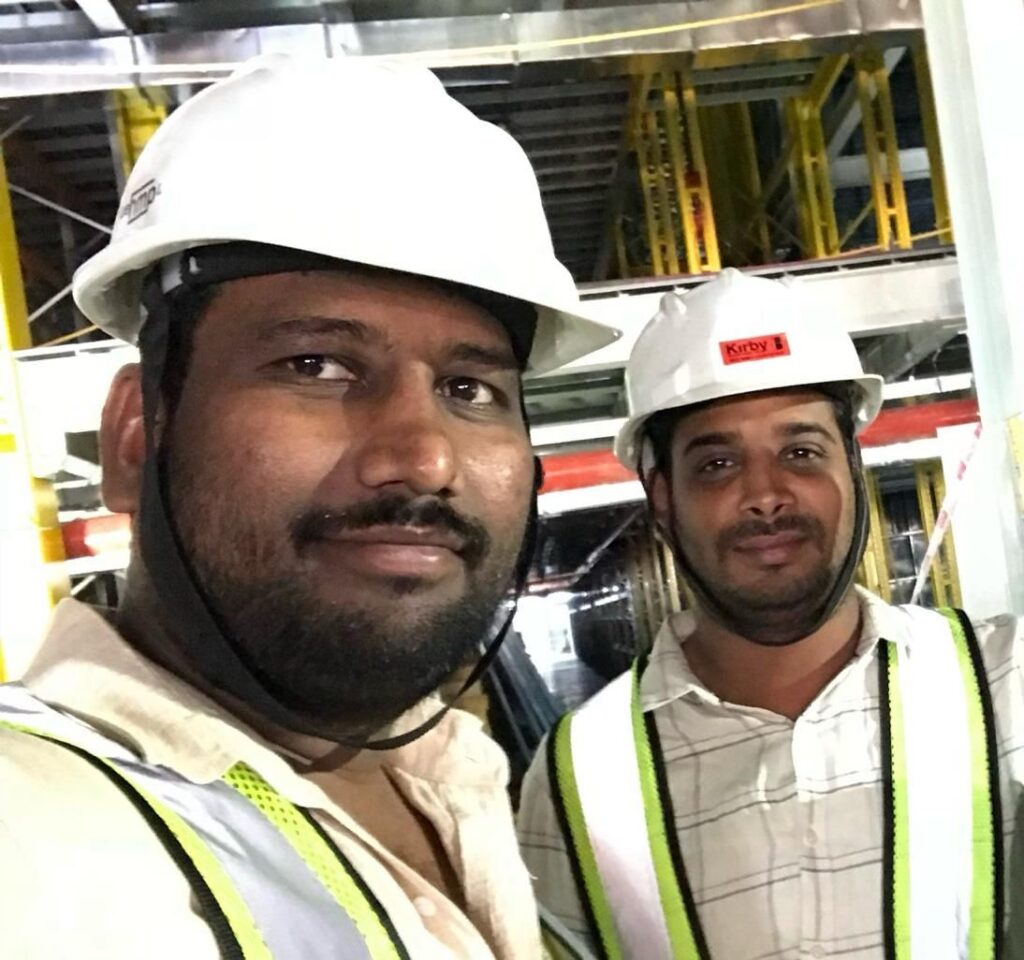
(“PYNAM” Avinash @Adapa Srikanth B tech graduates)
Srikanth, native of Mandalapalli in Bhadradri Kothagudem district, added that traditional brick-and-mortar construction is simply too slow for modern business needs. “Our cooled, ‘plug-and-play’ server units and modular retail spaces are the new industry standard,” he said. The firm is making efforts to expand their activities to the other sectors like diagnostic centers and clinics in rural areas within days, while their eco-friendly “glamping” pods are becoming the top choice for sustainable tourism. With major clients like Aurobindo and OILFD, Pynam Constructions is redefining the speed of infrastructure.
Kumar’s Rural Vision: Bridging the Gap in Automotive Service
- Move of Kumar Revolutionizes Car Care
The residents of Aswaraopet assembly constituency were initially surprised by Akkineni Purnachandra Kumar’s decision to open an advanced automotive service center in the small village of Mandalapalli (Dammapet Mandal). However, Kumar’s decision was backed by impressive data of cars in the area and the available car workshops nearby.
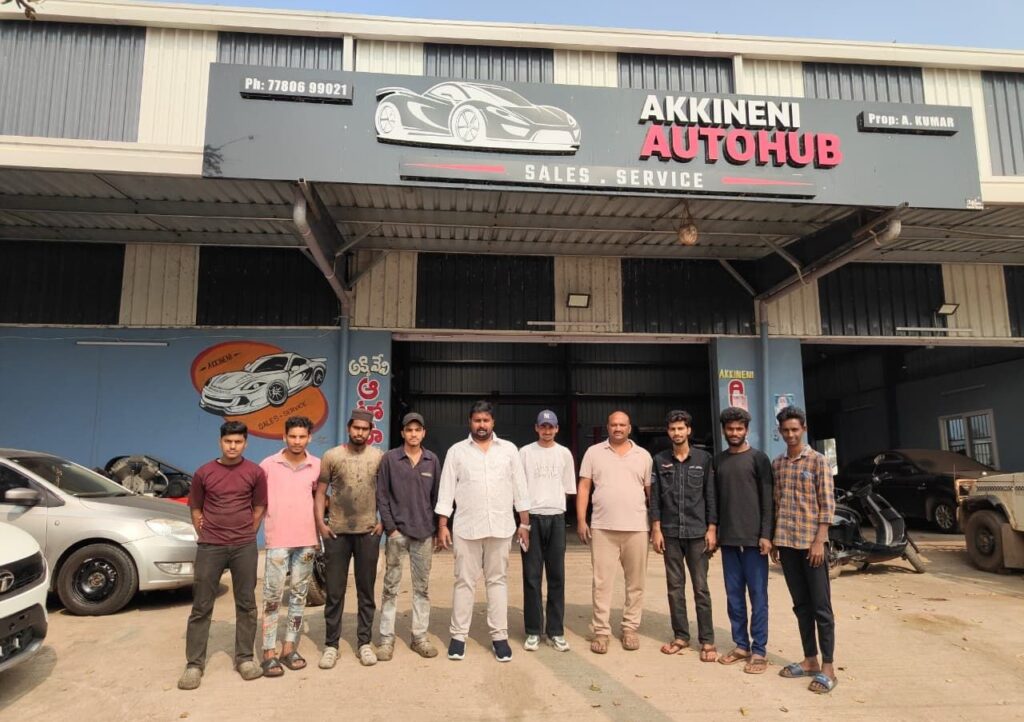
(Akkineneni Kumar B. tech graduate)
Speaking to Prime Post, Kumar explained the logic behind his venture. “There are 90 cars in Mandalapalli village alone, 1,300 in Dammapet Mandal, and roughly 6,000 across the Aswaraopet constituency. Thanks to the thriving oil palm groves and the benefits of economic reforms, the number of car owners is rising every day”.
Previously, local car owners had to travel long distances to Rajahmundry, Eluru, or Vijayawada for even minor repairs. To bridge this gap, Kumar recruited expert technicians from Delhi to provide high-quality service locally. His team offers a seamless experience: they travel to the location of a breakdown, transport the vehicle to the garage, and return it to the owner once all issues are resolved. Today, local car owners are thrilled to have city-grade service right at their doorstep.
From Agronomy to Agri-preneur: Prithvi’s Vision for Rural Prosperity
Ravu Mohit Prithvi, a Master of Science graduate in Agronomy, is proving that professional success isn’t confined to city limits. Instead of seeking a corporate career in an urban hub, Prithvi returned to his roots in Duradapadu village, located in the Dammapet mandal, to transform his dream of farm entrepreneurship into a reality. Prithvi is a firm believer that the traditional “income gap” between cities and villages is rapidly closing. He points out that modern agriculture and allied sectors now offer financial rewards that rival those of the tech industry.
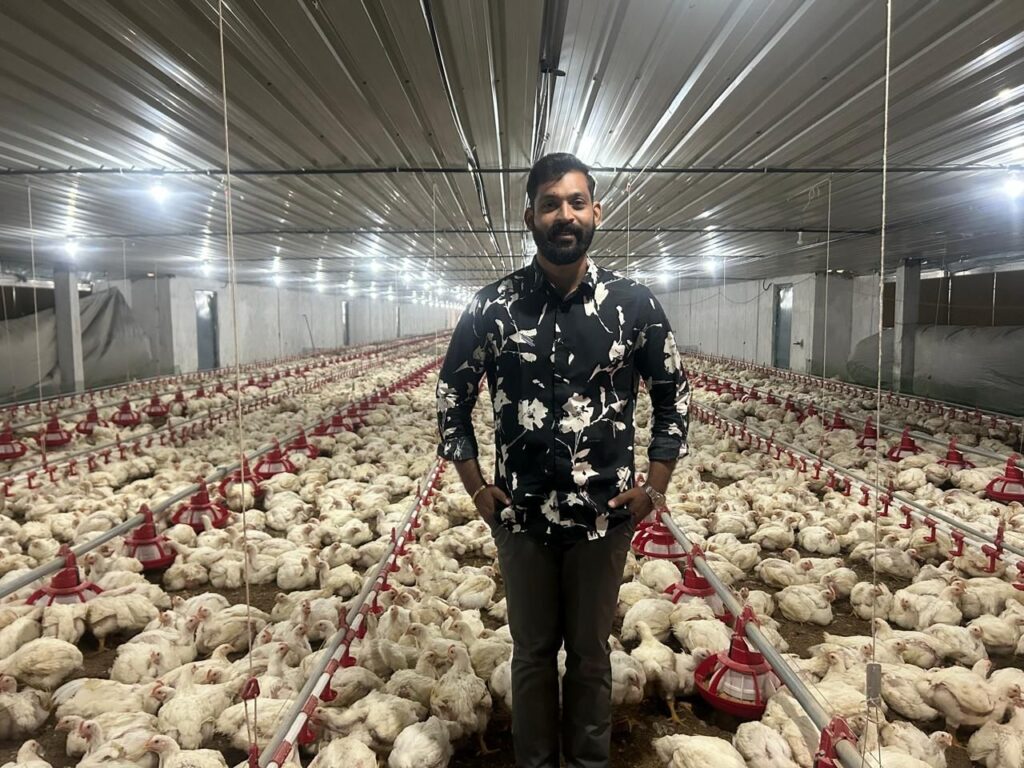
(Ravu Mohit Prithvi)
“There is no difference between villages and urban areas when it comes to income,” Prithvi asserts. “There are farmers today who earn as much as software employees.” To kick – start his vision, Prithvi established a poultry farm in his village. While he has launched the operation with an initial flock of 20,000 birds, his ambitions are far larger. He is currently executing a plan to scale the facility to a capacity of one lakh (100,000) birds. Prithvi is setting a precedent for a new generation of “agri-preneurs” who see the village not as a place to leave, but as a place to grow.
Bollina Tanuja: A Catalyst for Rural Change
Inspired by the Atmanirbhar Bharat Abhiyan (Self-Reliant India) initiative, Bollina Tanuja recognized a powerful shift in the economic landscape one where women take center stage as entrepreneurs to drive national growth. With the steadfast support of her brother and husband, Tanuja translated this vision into action by establishing a boutique center in Dammapet.
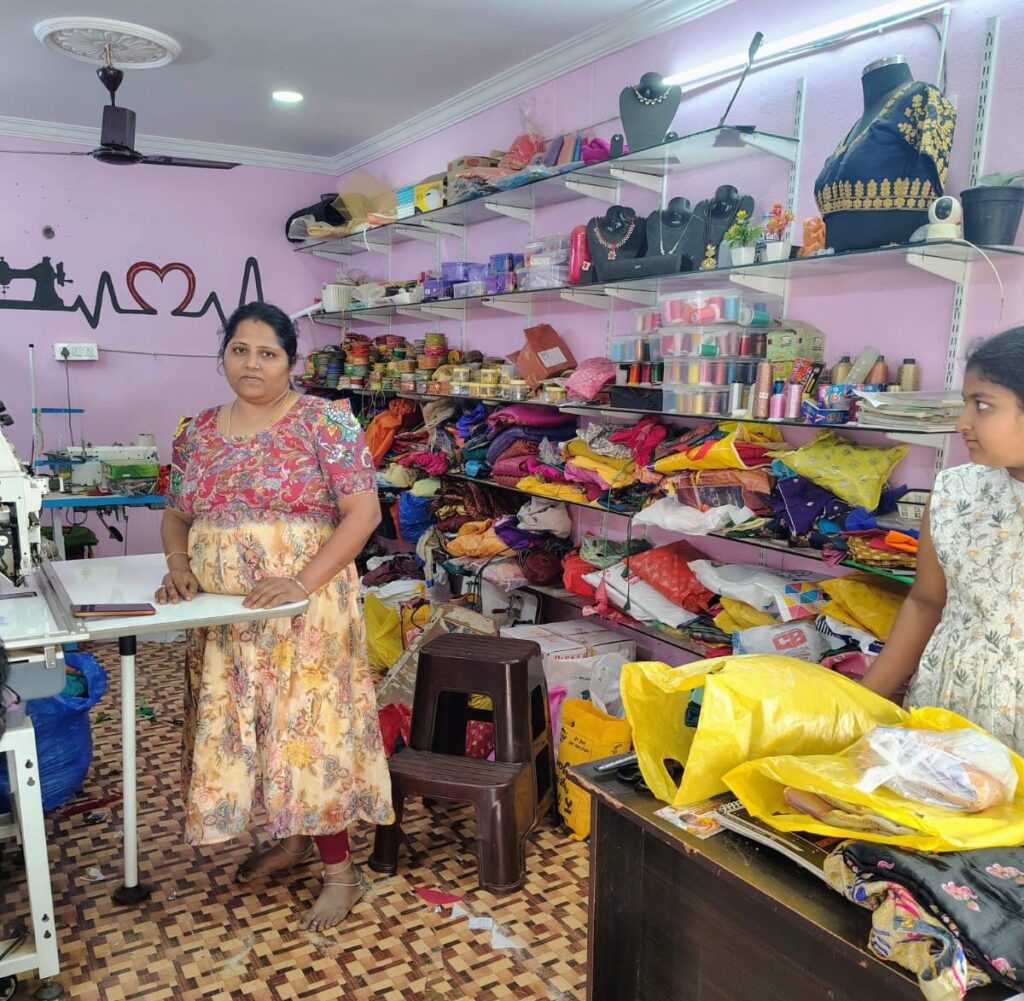
(Tanuja Bollina, B.Tech, company software engineer)
Her venture serves as a testament to the increasing participation of women in diverse economic sectors, proving that local enterprises can have a significant impact. Tanuja’s entrepreneurial journey is only beginning. With a focus on long-term growth, she is currently exploring several diversification strategies to expand her business footprint and bring new services to her community.
Why Technical Skill Requires an Ethical Compass
While many engineering graduates are transforming into innovative entrepreneurs, the story of Potru Praveen and Potru Prasanth from Kalluru mandal serves as a grim cautionary tale. Despite their technical expertise, the two chose a path of cybercrime, ultimately landing in jail for defrauding Australian citizens. Their story serves as a stark reminder while the country offers vast opportunities for growth, technical talent must be channeled ethically, not toward illegal activities.
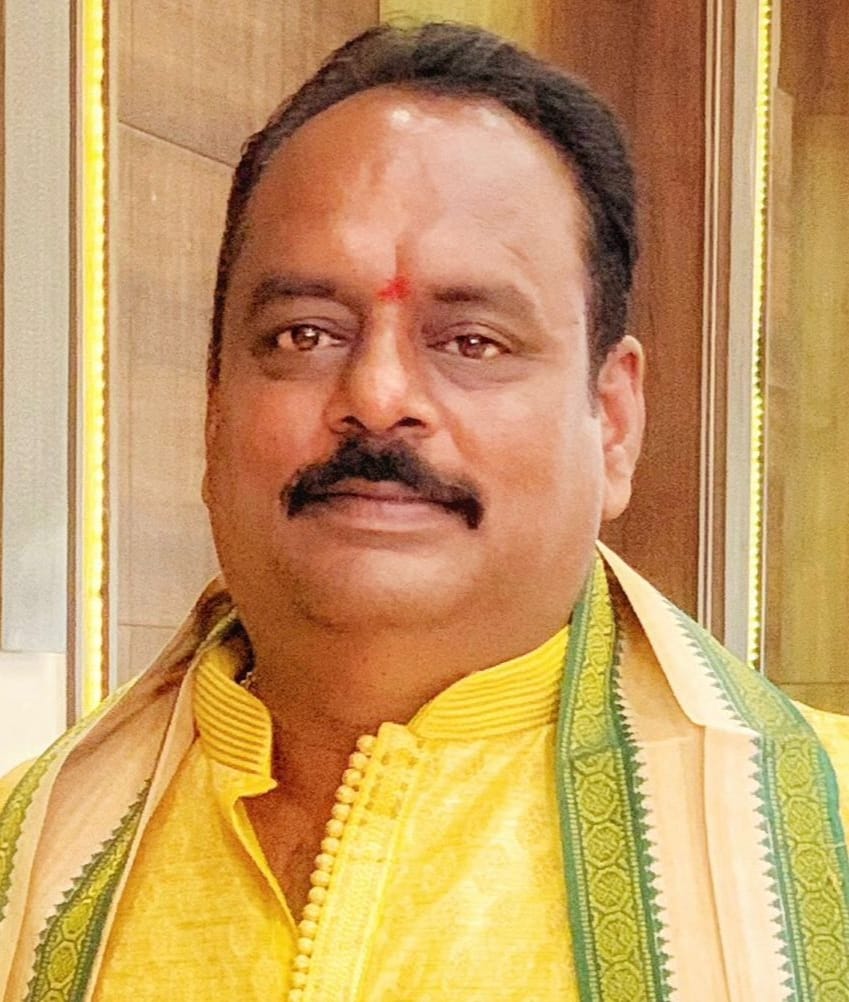
Principal Correspondent, Prime Post
Adapa Dora, journalist cum farmer, proved his excellence in both the fields. While working in Andhra Bhoomi (Telugu Paper) and Deccan Chronicle, he forced a famous seed company to pay compensation to the maize farmers for crop loss due to the supply of spurious seeds to them. He wished to maintain harmony between tribals and non-tribals in the mandals of Bhadradri-Kothagudem district for the prosperous of both groups.
Email: adapa.dora@gmail.com
Mobile: 9441332322