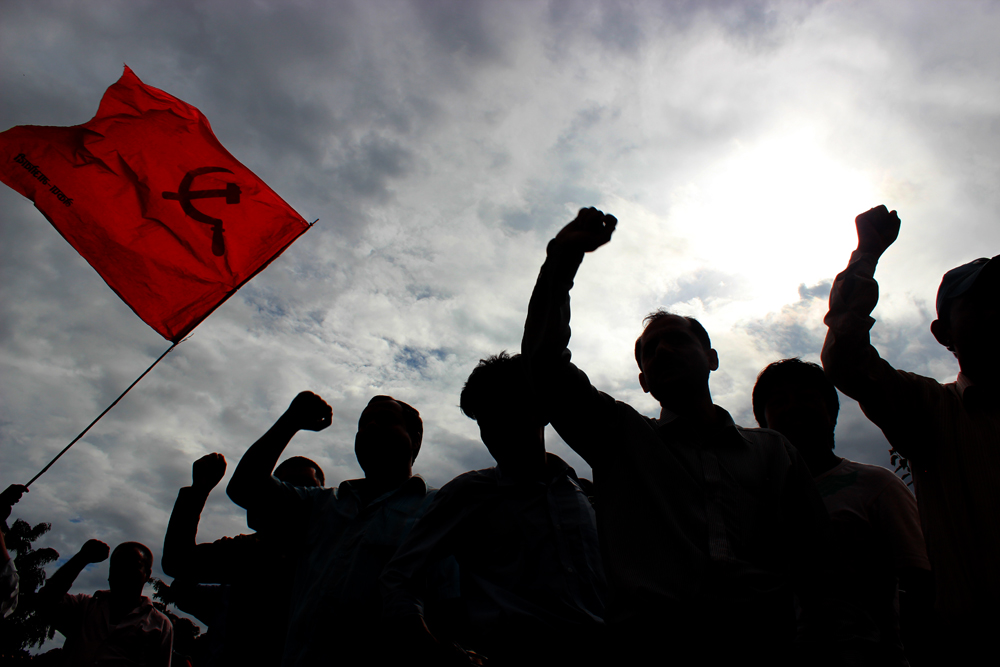
CPI-M politburo firms on its fight and surrendered one as traitors
Modi and Shah confident of India be freed from Maoist ideology
The Government of India’s anti-Naxal strategy is claiming to have reached a critical juncture with “Operation Kagar,” launched on April 21, 2025. Following the surrender of hundreds of Naxals, the Communist Party of India (Maoist) Politburo is blaming those who surrendered, stating they have exposed their ideological weakness, and asserting that the people will teach them a lesson while the party’s core ideological fight will continue.
Operation Kagar: Success and Impact
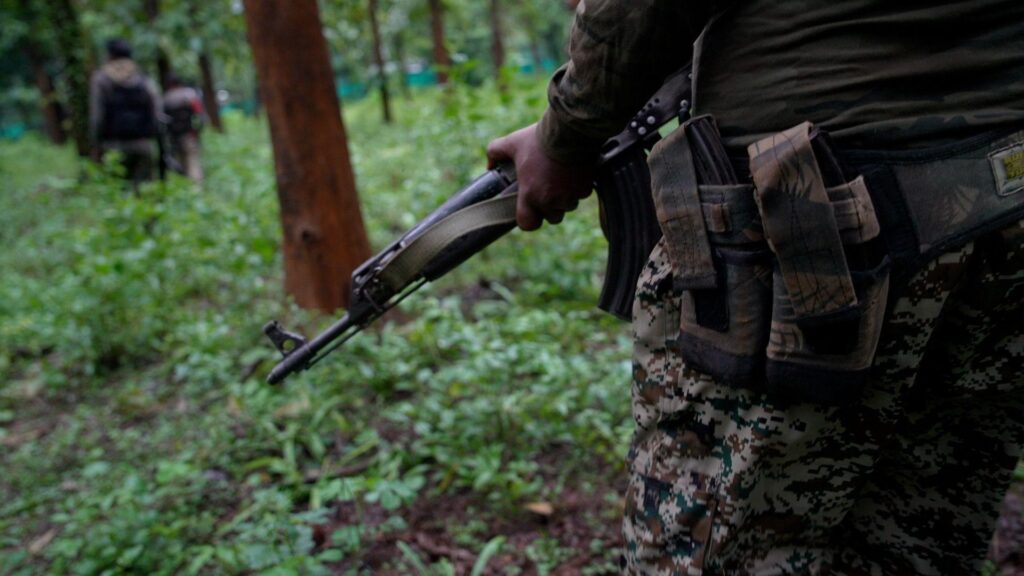
Operation Kagar has been credited with an unprecedented level of success, surpassing earlier efforts like Sankalp, Black Forest, and Karreguttalu. The operation’s impact is twofold: increased surrenders and a crisis of confidence within the CPI-Maoist. The success is attributed to its intensity, described as a “killing spree,” which reportedly forced the Maoist leadership to contemplate a strategic pause in the movement. Operation Kagar, combined with the strategic surrender policy and mounting internal crises within the CPI-Maoist, appears to have brought the decades-long Naxal movement closer to its end.
Abhay: Surrendered Naxals as Traitors-Ideology be continued
The CPI-Maoist allegedly released a four-page letter, signed by ‘Abhay,’ that denounced the surrendered leaders as ‘revolutionary traitors.’ The letter stated that the decision was taken by leaders Mallojula Venugopal and Aasanna, and it pointed out that Mallojula’s ideological weakness was first exposed in 2018 when the party made a temporary tactical retreat. It further claimed that the people would deliver a suitable punishment to these leaders. Tippiri Tipparthi aka Abhay is said to be taken over the top slot of the CPI-Maoist party after Nambala killing.
Government’s Confidence and Target
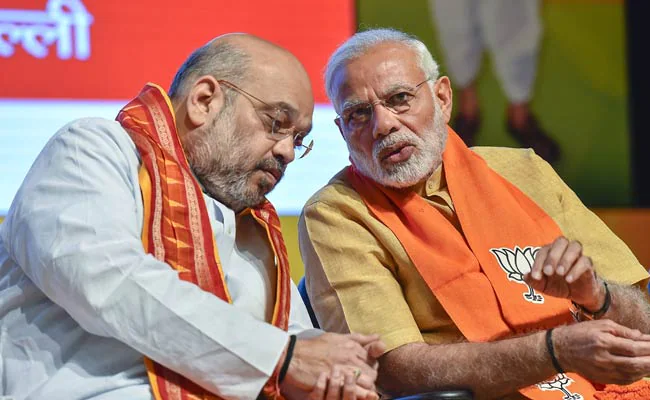
Operation Kagar not only led to the surrender of key leaders but also sowed deep mutual suspicion among the cadres, effectively undermining the internal cohesion of the organization. The heavy losses have challenged the core Maoist slogan of “Achieve Power through weapons,” placing the entire revolutionary theory “under doubt.” The government expressed full confidence in making India a Maoist-free nation.
The incidents proved the strong government statements, with Prime Minister Narendra Modi (October 20, 2025) declaring the country is “on the verge of liberation from Naxal-Maoist terror,” and Home Minister Amit Shah (May 15, 2025) setting a target for a Naxal-free India by March 31, 2026.
Factors Driving Naxalite Surrenders: Lucrative Relief Package
Beyond the operations, a revamped surrender policy has played a crucial role by providing attractive incentives for defection. State governments have introduced a comprehensive and “lucrative” surrender policy. This includes a one-time financial package from Rs 5 lakh to Rs 6 crore pertaining to the position of the surrender naxal, as well as job training and a path for social reintegration. In Maharashtra, a specific cash incentive was announced for surrendering weapons, such as Rs 15,000 for an AK-47, which has expedited the surrender process.
Police Sobriety: Letter from a Surrendered Naxal Couple
Asin Rajaram Kumar (37) alias Anil and his wife Anju Sulya Jale (28) alias Soniya surrendered to the Maharashtra police in May 2024. Kumar, an area committee member of the Maoists’ press team in Odisha, is a resident of Narwana in Haryana and was living under an assumed identity near Shimla in Himachal Pradesh. Jale, a resident of Gadchiroli, was also part of the same press team in Odisha. The couple wrote a letter to Mallojula Venugopal referring to the “soberness and relief policy” demonstrated by the police after their surrender.
Internal Fragmentation of the CPI-Maoist
The interrogation report (IR) of surrendered Politburo member Mallojula Venugopala Rao, as detailed in a Times of India report (October 18, 2025), exposed severe internal fractures. Venugopala Rao cited “internal strife, declining public support, and opportunistic ties with government authorities” as causes for the organization’s disintegration.
Conflict over Violence
The movement, intended to support the adivasis and under-privileged, allegedly devolved into “tedious violence and self-serving aims.” Internal conflict flared over “meaningless violence,” with Telangana-based Central Committee (CC) members overriding the push for restraint. Eight of the twelve CC members are reportedly from Telangana, highlighting its high dominance. Some CC members were allegedly “in the clutches of Telangana leaders.” Politburo members like Hidma, Deoji, and Prabhakar adhered to violence, according to the Interrogation report.
Fissures in Leadership
Sources suggest a key strategic debate took place before the death of General Secretary Nambala Kesava Rao, who was promoted to the top slot after relenting it by Laxman Rao alias Ganapathi, reportedly favored a “tactical pause” to the killings. It is speculated that Nambala might have opted for the surrender policy if he were alive. The police interrogation report also explained that Mallojula Venugopala Rao, who allegedly expected the top post after Nambala, was passed over.
Editor, Prime Post
Ravindra Seshu Amaravadi, is a senior journalist with 38 years of experience in Telugu, English news papers and electronic media. He worked in Udayam as a sub-editor and reporter. Later, he was associated with Andhra Pradesh Times, Gemini news, Deccan Chronicle, HMTV and The Hans India. Earlier, he was involved in the research work of All India Kisan Sabha on suicides of cotton farmers. In Deccan Chronicle, he exposed the problems of subabul and chilli farmers and malpractices that took place in various government departments.
Email: ravindraseshu7@gmail.com
Mobile: 9063718675


Kagar operation is definitely good attempt to control naxalism. Pros and cons will be there in every attempt. Law should not be taken into others hands. It should be dealt by the Government which is happening in Modiji Government effectively. It’s a worthy news item. Keep going same.