- “The ‘Pooja Factor’ reflects the eagerness of women to enter politics.”
- Three Decades in the Making: The Long Road to 33% and the Women Ready to Claim
The story of Oggela Pooja in Telangana is a macrocosm of a significant national shift. Women are no longer content to act as “proxies” or wait for legislation to carve out a space for them; they are creating that space themselves. Representing the BRS, she is already at work, showcasing the potential of female leadership in the legislature. Whether the national census commences in 2025 or later, the “Nari Shakti” (Women Power) championed by the government is already a living reality in the hamlets of Aswaraopet and beyond.
A Mother’s Perspective on Governance
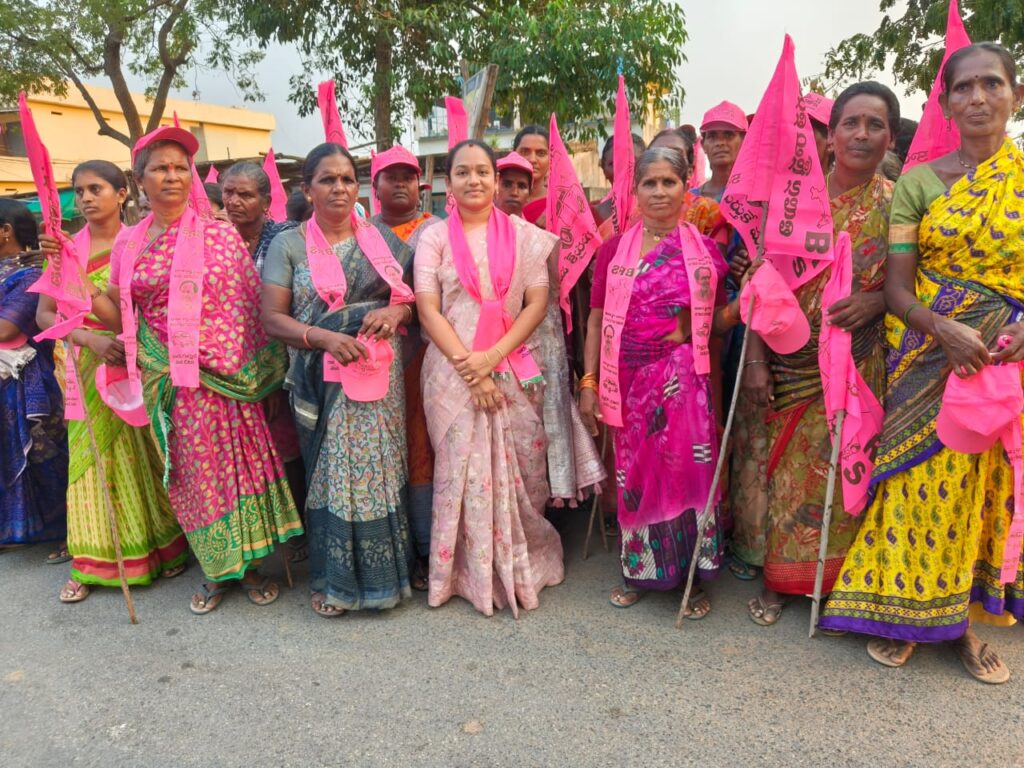
Speaking with The Prime Post, Pooja expressed confidence in her eligibility to enter the Telangana Assembly. As a post-graduate, she is hopeful that the 33% women’s reservation will soon become a reality, allowing her to serve as an MLA. “We will prove that we are not just on par with our male counterparts, but capable of more. Women will solve the problems of their constituency with the heart of a mother,” she stated. Pooja is not alone. Across India, many female leaders are eyeing the 2029 General Elections, by which time the census and delimitation processes are expected to be complete.
Breaking the Three-Decade Deadlock
The journey of the Women’s Reservation Bill from a symbol of legislative gridlock to the 106th Constitutional Amendment Act (Nari Shakti Vandan Adhiniyam) has been a thirty-year struggle. Its passage in September 2023 with near-unanimous support was a landmark victory. The Act mandates that one-third of seats in the Lok Sabha, State Legislative Assemblies, and the Delhi Assembly be reserved for women.However, the law remains tethered to a complex administrative timeline. Unlike most legislation, it includes a “commencement clause” tied to two major milestones.
The Next Census- Delimitation
Originally scheduled for 2021 and delayed by the pandemic, it is now expected to begin in 2025. Once census data is published (likely by 2026-2027), a commission will redraw constituency boundaries to ensure the 33% quota is applied fairly. While the national machinery moves slowly, the spirit of the Act is already visible on the ground.
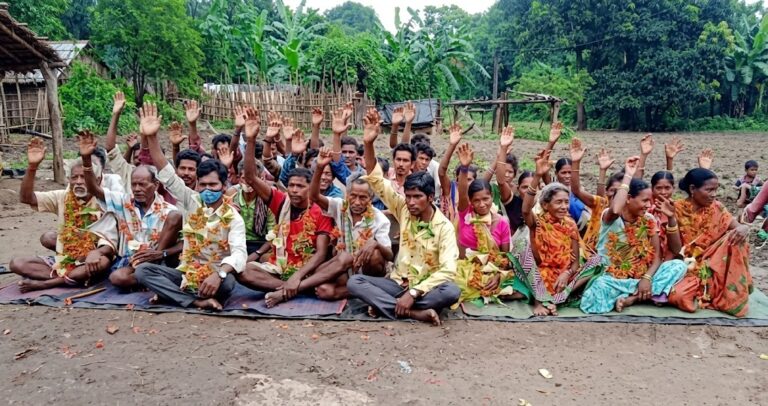
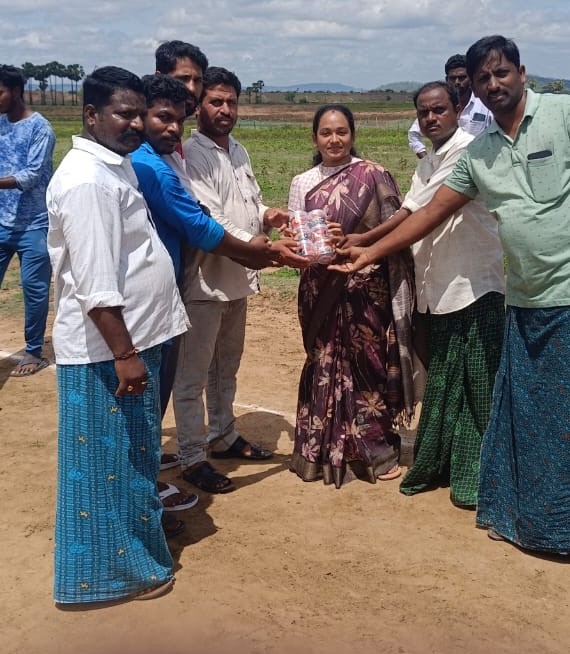
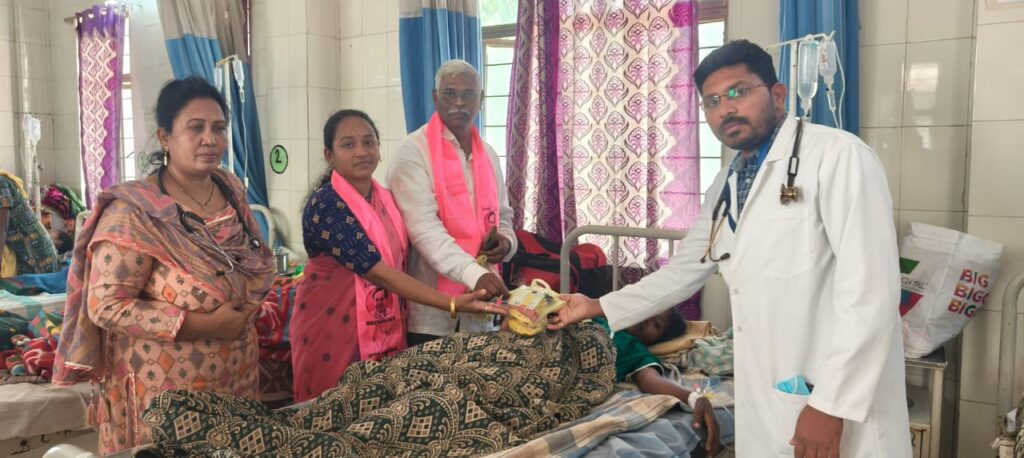
In the Aswaraopet constituency, a region reserved for Scheduled Tribes (ST) Oggela Pooja personifies this change. Refusing to wait for a “reserved” tag, Pooja has launched a master-class in grassroots mobilization. She frequently visits remote tribal hamlets, bridging the gap between high-level policy and local needs. By highlighting her educational background, she is challenging traditional notions of leadership in tribal areas. Her proactive campaigning reflects a broader trend: women are building their political portfolios now, ensuring they are the natural choice for parties once the quota officially kicks in.
Why the Delay Matters
The women reservations will be implemented in Lok Sabha, State Legislative Assemblies, and Delhi Assembly with 33% of total seats, including sub-reservations for SC/ST categories. The duration is initially 15 years, with provisions for Parliamentary extension and rotation of reserved seats after every delimitation exercise. The 15-year “sunset clause” means the clock only starts ticking once the Act is implemented. While critics argue that linking the quota to the census and delimitation is an unnecessary hurdle, proponents maintain it is essential to ensure the reservation reflects India’s current population distribution and avoids legal challenges. Regardless of the administrative timeline, leaders like Oggela Pooja are proving that the wait for empowerment is over the work has already begun.
Principal Correspondent, Prime Post
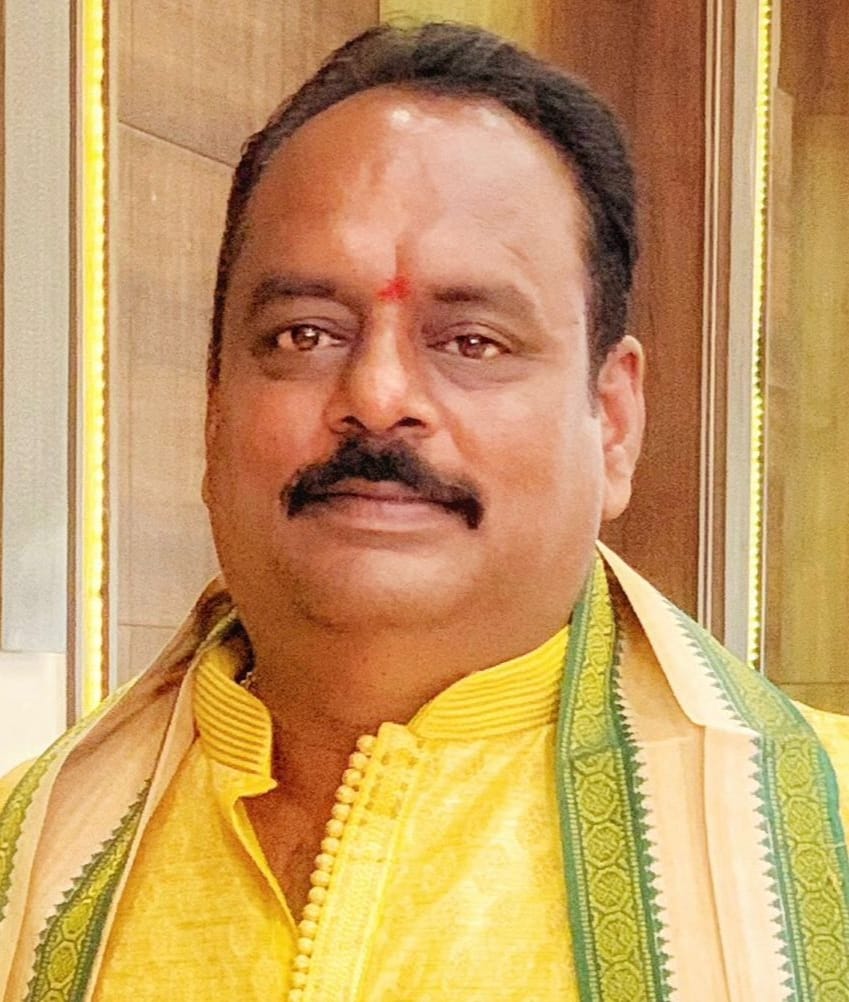
Adapa Dora, journalist cum farmer, proved his excellence in both the fields. While working in Andhra Bhoomi (Telugu Paper) and Deccan Chronicle, he forced a famous seed company to pay compensation to the maize farmers for crop loss due to the supply of spurious seeds to them. He wished to maintain harmony between tribals and non-tribals in the mandals of Bhadradri-Kothagudem district for the prosperous of both groups.
Email: adapa.dora@gmail.com
Mobile: 9441332322