Sandhya Vandanam and Snana Vratam
The 4th Tiruppavai (Pashuram 4) in Telugu, starting with (Aazhi Mazhai Kanna), is a prayer to the rain god (Varuna) by Andal and gopis, asking for abundant, timely rains like divine arrows from Lord Vishnu’s bow to nourish the land and allow them to perform their Margazhi vows, using imagery of the ocean, Lord Vishnu’s dark complexion, discus, and conch to describe the ideal rain.
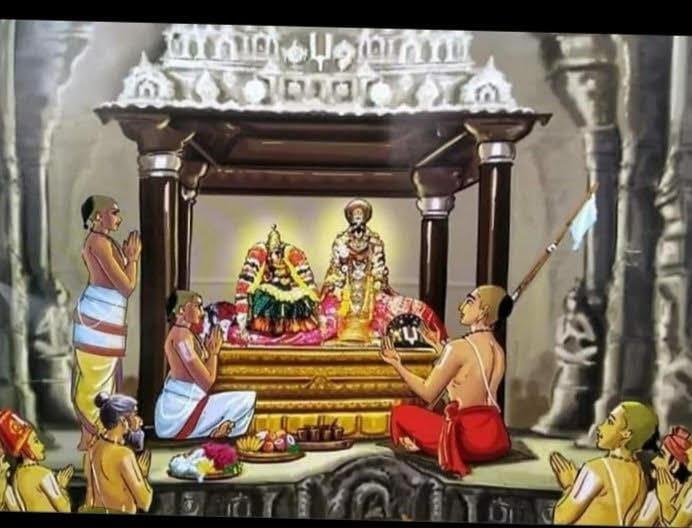
Third, fourth, and fifth Paashurams symbolize the Sandhya Vandan at three times a day. Great preacher Sri Bhashyam Appalacharya says, pray Mitra (Aruna) in the morning, Varuna in the evening, and the Sun at noon. Chinna Jeeyar says Goda penned Tiruppavai to awaken the good qualities among the people and inspire them to work together for the betterment of society and the country. Goda wanted the nation to be prosperous and peaceful, and people helped one another, with the grace of God and His equal showering of kindness and knowledge. When Gopikaas prayed with all these qualities and sincerity, Cloud God rained enough sacred water as if a good boon was granted to the devotees.
Besides Sadhya Vandanam, Goda’s Tiruppavai says Snaana Vratam is more important. Goda repeats her sermon about bathing in Margali month. Tiruppavai is also called Snana Vrata, the mission with many baths in the early hours, without fearing the morning cold and shedding laziness to praise and pray to God, not for any selfish gains but for rain to help the whole of the countryside to prosper.

Addressing the Rain God: Andal calls upon the ‘ocean-eyed rain cloud’ (Aazhi Mazhai Kanna).
Request for Rain: She asks him not to hold back, to drink the ocean’s water, and then release it as nourishing rain.
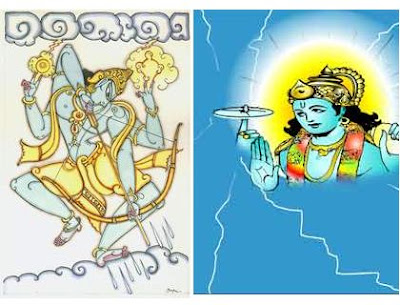
Divine Imagery: The rain should be dark like Lord Narayana’s body, its flashes like the Sudarshana Chakra, and its thunder like the conch shell (Panchajanya) in the Lord’s hands.
Divine Arrows: The continuous downpour should resemble the arrows from Lord Vishnu’s bow (Sarangam).
Communal Blessing: This rain should benefit the world and allow the gopis to joyfully bathe and complete their devotional vows (vratham).
Important Theme: This verse highlights the dependence on divine grace (rain) for prosperity and the collective prayer for communal well-being, a core theme of Thiruppavai.
Goda’s Tamil Paashuram 4
Aazhi Mazhaikkanna! Ondrum Nee Kai Karavel
Aazhiyull Pukku Mugandhu Koda Aatthu Ari
Oozhimudalvan Uruvam Pol Mey Karuthu
Paazhiy Am Tholudai Padmanabhan Kaiyyil
Aazhipol Minni Valampuripol Minru Adhirndhu
Thazhaadhe Sarngam Udiatha Saraamazhai Pol
Vazha Ulaginil Peydhidaay Nangalum
Margazhi Neerada Magizhndu-el or em paavaai.
English Poem 4
Rain God Varuna, continue to shower and
The cloud comes down to usurp ocean water to fill itself
Pregnant with water becomes dark, like Krishna.
Lotus in the navel, weapons in His two strong hands
Lightning Disc and Thunderous Conch
Like his bow, he fast releases a stream of arrows.
raining heavily to enrich and rejuvenate the world,
Come on, friends, let us bathe in Margali Rain.
We do not say “Rain Rain, go away”, but we invite clouds to come again and rain. Each dark cloud is like Krishna. He is described as Neela Megha Shyama. Vishnu Sahasra Naama describes Him as Megha Varnam and Gagana Sadrusham.
Goda says, ‘No, the cloud is God Himself, the God of Clouds or Varuna.’ Be benevolent and rain on all without any dearth of your kindness. God of Cloud, you will go nearer to the Ocean, absorb the salty water, fill the belly full, move heavily in the sky, and as Vishnu bears on his two strong arms – on the right, the lightning Chakra – the Disc and on the left –the thunderous Shankha (Conch), while His Shaarnga, the powerful Bow, releasing arrows, you shower the streams of rain.
Vishnu’s navel is the place of a lotus, wherefrom Brahma emerged. Being God of Gods, Vishnu rains bliss all over. Goda calls for her friends to take Margali bath in sacred water rained by Vishnu. Rain is the real source of wealth for all villages. Rain does not make any difference between the haves and have-nots, higher or lower castes, or status. It equitably rains on all without any discretion.
Goda first compares the cloud with Krishna and then explains the characteristics of a true teacher- Acharya by comparing him with Naaraayana and the dark cloud. As the cloud takes inconsumable salt water from the sea and converts it into potable good water showering as rain, the teacher Acharya studies the complex Shastras and converts them into knowledge easily understandable. Like a cloud, Acharya too rains the knowledge equally on all like Raamanuja who climbs up to the top of Temple and discloses the divine knowledge of Tirumantra to all, without any discrimination.
What a divine thought! Naaraayana and Achaarya are compared with dark clouds that rain benevolence and knowledge on all alike. Lightning spreads the light of thinking with a huge sound like thunder through Sankha so that everyone can hear the lessons.
Gopikaas never desired material things but prayed for the welfare of all. They sang and danced in praise of God. Goda approached the ultimate God, who appointed different Devathas with specific and distinct duties like Brahma to create, Shiva to destroy, Gods of eight sides (Astha Dikpalaka) to safeguard the sides. All these Gods report to Paraamatma with accountability. They are also afraid of the devotees who chant the name of Paaamaatma. – Madabhushi Sridhar

Law professor and eminent columnist
Madabhushi Sridhar Acharyulu, author of 63 books (in Telugu and English), Formerly Central Information Commissioner, Professor of NALSAR University, Bennett University (near Delhi), presently Professor and Advisor, Mahindra University, Hyderabad. Studied in Masoom Ali High School, AVV Junior College, CKM College, and Kakatiya University in Warangal. Madabhushi did LL.M., MCJ., and the highest law degree, LL.D. He won 4 Gold Medals at Kakatiya University and Osmania University.
Email: cicsridhar@gmail.com
Mobile: 8447651505