- Centre’s New Job Scheme: ‘VB-G RAM G’ Sparks Major Row
- Political Fallout: Why Gandhi’s Name Was Dropped?
- The Burden on States: Who Pays the New 40% Share?
The Central Government’s plan to replace the Mahatma Gandhi National Rural Employment Guarantee Act (MGNREGA), 2005, with the new ‘Viksit Bharat Guarantee for Rozgar and Ajeevika Mission Gramin’ (VB-G RAM G) Bill has caused a major political storm. Beneath the government’s promise of 125 days of work lies a deep fear among the Opposition and rural rights groups: that the new law is a deliberate move to dismantle the scheme’s fundamental identity as a ‘Legal Right to Work’ and place it under stringent Central Government control.
The Erosion of a Legal Right
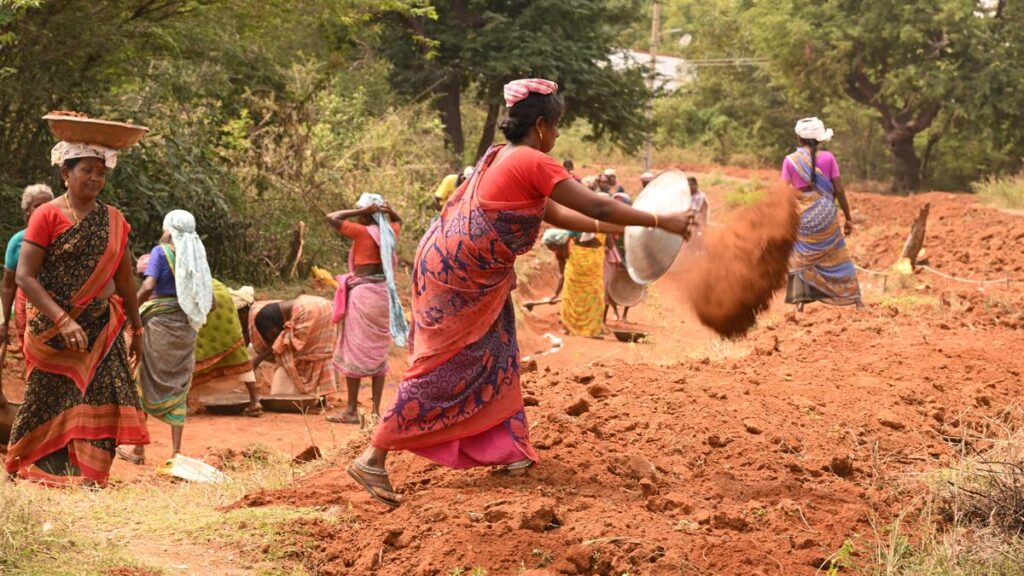
The biggest concern is the shift in the core nature of the employment programme. MGNREGA was revolutionary because it was demand-driven and legally binding. This meant that if an eligible rural household demanded work, the government was legally obligated to provide it within 15 days, or pay an unemployment allowance. The Opposition, led by the Congress party, alleges that the new VB-G RAM G Bill replaces this firm ‘right’ with a scheme that is highly conditional and subject to budgetary allocations, effectively converting the law into a centrally managed ‘scheme’ rather than a guaranteed right.
Increased Burden on States: Central Control on the Purse
This fear is reinforced by the proposed change in the funding pattern. MGNREGA saw the Centre bear 100% of the cost for unskilled wages. The VB-G RAM G Bill proposes a 60:40 Centre-State funding split for most states. Critics argue this is a strategy for central control. By making states responsible for 40% of the wage bill, the Centre effectively forces states to curb spending if they face financial strain.
Removal of Mahatma Gandhi’s Name and Other Controls
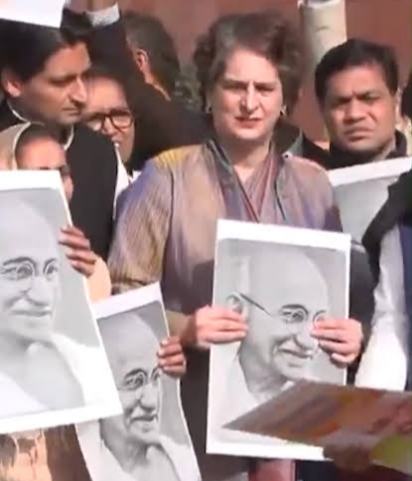
Further fueling the controversy is the removal of Mahatma Gandhi’s name from the scheme, which the Opposition views as an intentional political act to erase the legacy of the original rights-based programme. Additionally, the provision allowing work to be paused for up to 60 days during peak agricultural seasons is also seen as a form of central labour control, potentially denying people work during times of high rural distress.
The Government’s Vision: More Days, New Focus
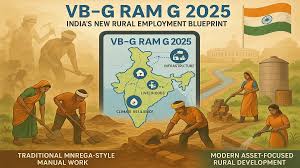
The key benefit highlighted by the Centre is the increase in guaranteed wage employment from the current 100 days to 125 days per rural household every year. This increase is intended to provide families with more stable income. Furthermore, the new law aims to improve the quality of work created. Instead of the varied works allowed under MGNREGA, VB-G RAM G will strictly focus on creating lasting infrastructure across four priority areas: water security, core rural connectivity and structures, livelihood-boosting infrastructure, and projects that promote climate resilience. This shift is meant to create better assets for villages, moving away from projects often criticised as being poor quality.
The government also insists that the new system will be much more transparent and efficient. It plans to use advanced digital tools, including AI, for monitoring works, detecting fraud, and ensuring payments are made directly to the workers’ accounts quickly. A new provision will also allow work to be paused for up to 60 days during peak agricultural seasons (like sowing and harvesting). This is designed to ensure there is enough labour available for farming activities and to prevent the excessive rise in farm wages, which some argue hurt small farmers.
while the government promises more days of work and modern, efficient systems, the Opposition believes that the new funding formula and the shift away from the demand-driven structure are a clear attempt to dilute the legal ‘right to work’, placing the successful safety net under restrictive central budgetary and political control.
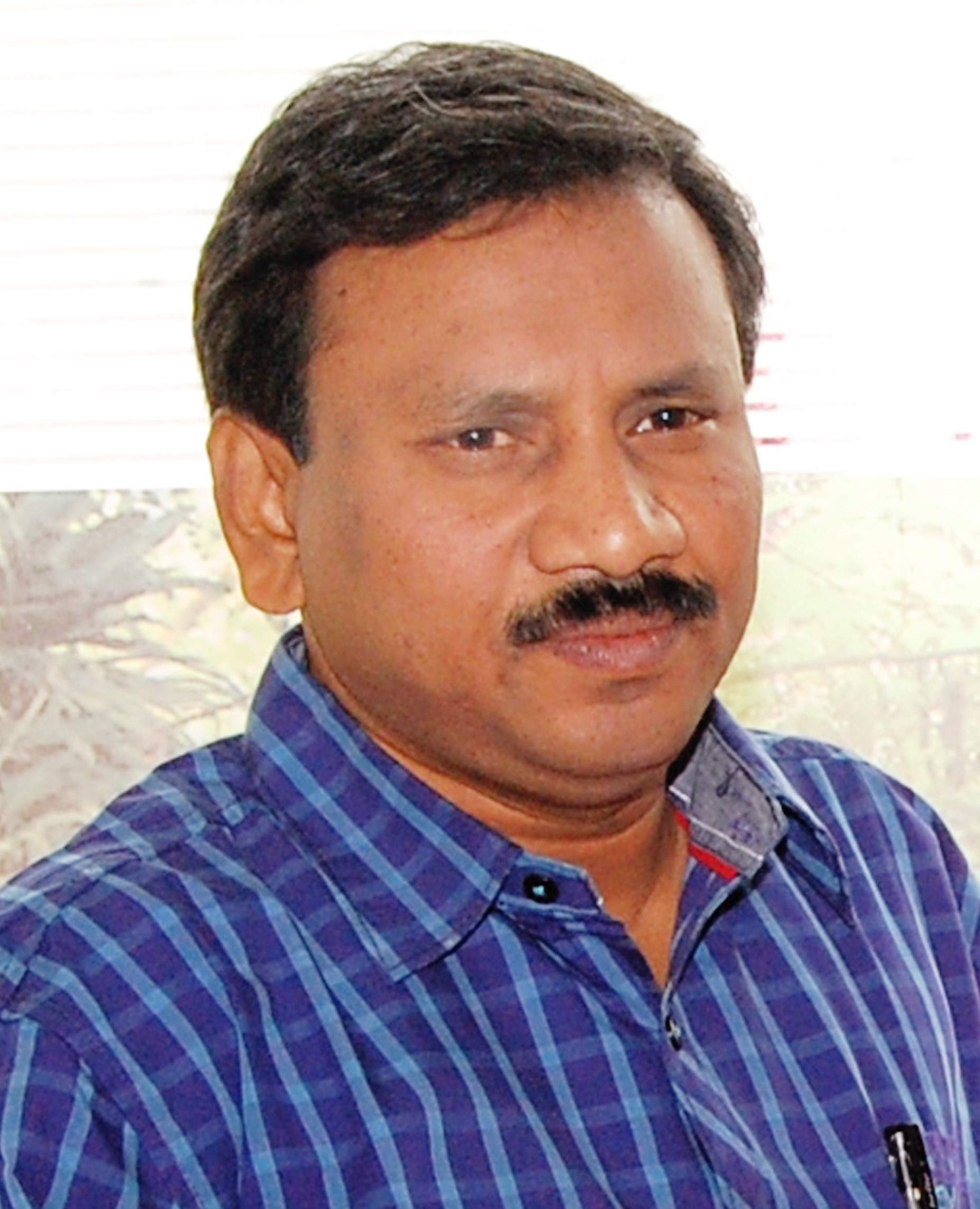
Senior Journalist
Anand Gantela is a seasoned media professional with nearly three decades of experience across the spectrum of Indian journalism. Having worked extensively in both print and broadcast media, he has held key positions at renowned outlets such as Prajashakthi, Andhra Bhoomi, Mudra, Media India, Siti Cable, Mana Telugu, and Maa TV. From ground-level reporting to managing news bureaus and overseeing bulletin production, Anand has witnessed the evolution of news firsthand. His wealth of experience reflects a deep understanding of the dynamic and ever- evolving landscape of news reporting.
Email: gantela.anand@gmail.com
Mobile: 7893549889