The Symbolic Significance of Replacing KCR with Jayashankar
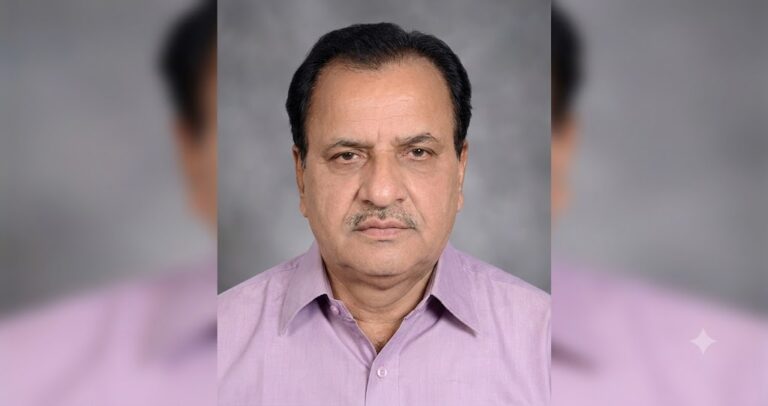
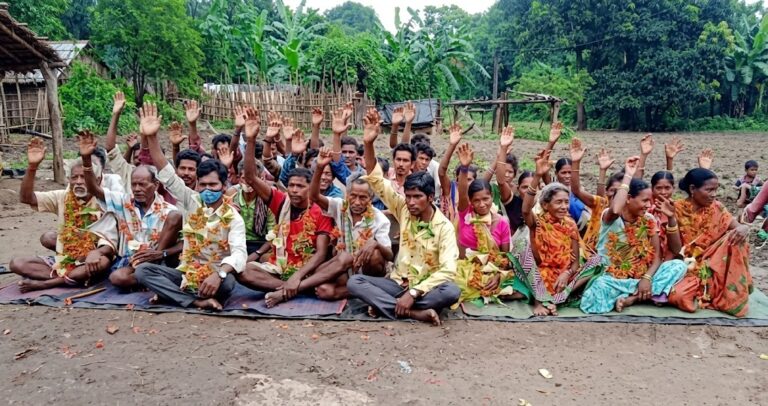
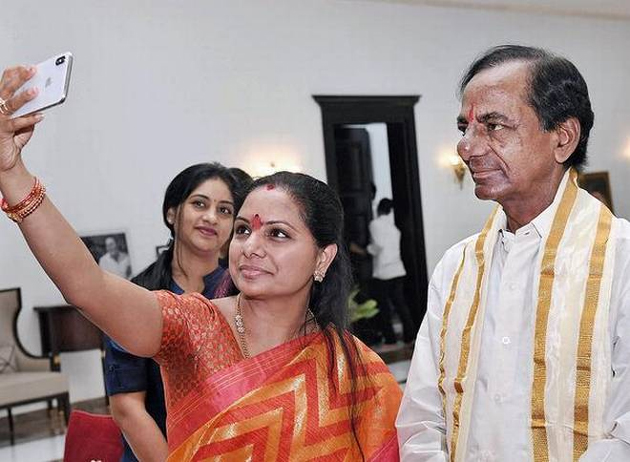
Kalvakuntla Kavitha, the recently suspended and resigned leader of the BRS, has signaled a bold new route for her political career with the announcement of a state-wide foot march (padayatra) under her organization, Telangana Jagruthi. The most striking feature of the upcoming campaign is the deliberate exclusion of her father, BRS chief K. Chandrashekar Rao’s (KCR), image. Instead, the campaign will prominently feature Professor Jayashankar, the intellectual architect of the Telangana statehood movement.
This move is a direct challenge to the perception of dynastic and “family-centric politics” that had become synonymous with the BRS. The central question now confronting the state’s political landscape is: Can Kavitha establish a lasting political identity and career independent of the towering shadow of KCR?
The Strategic Shift: Reclaiming the Narrative
Kavitha’s decision to replace the image of her father the leader who achieved statehood with that of Professor Jayashankar the man who provided the ideological foundation is a highly calculated political maneuver.
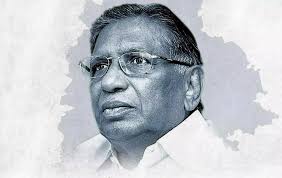
Ideological Reclamation: By invoking Professor Jayashankar, Kavitha is directly associating her movement with the original, unfulfilled ideals of ‘Social Telangana’. This concept emphasizes social justice, equitable resource distribution, and empowerment of marginalized communities, particularly the Backward Classes (BCs). This move seeks to address the widespread sentiment that the BRS, under KCR, drifted away from these foundational principles post-2014.
Distancing from BRS Failures: The BRS has suffered a crushing electoral defeat and is currently grappling with internal dissent and corruption allegations. By distancing herself from KCR’s image, Kavitha is attempting to insulate her political future from the mounting criticism and anti-incumbency associated with her father’s regime.
The BC Plank: Kavitha has recently been vocal about the cause of BC empowerment, demanding a significant percentage of reservations. Positioning her padayatra around this agenda and linking it to Professor Jayashankar’s vision attempts to carve out a distinct and ideologically powerful platform, appealing to a massive, politically significant segment of the population.
Challenges to Independent Identity
While the ideological break is clear, the path to an independent political career presents formidable hurdles.
Mass Leader Credibility: Kavitha’s political standing, despite her work with Telangana Jagruthi, has been historically tied to her family’s power. Her ability to translate the emotional and cultural goodwill she built through the Bathukamma festival into tangible electoral support on her own terms remains unproven, particularly after her Lok Sabha defeat in 2019.
Lack of Political Apparatus: She has officially broken ties with the BRS and resigned from her MLC seat. To sustain a statewide padayatra and a long-term political career, she requires an independent, robust political organization that can mobilize cadres, manage finances, and campaign across 33 districts a machinery that Telangana Jagruthi, a cultural body, currently lacks.
The Competitor Landscape: Kavitha is entering a political space already saturated by the ruling Congress party and a determined BJP, both of whom are aggressively targeting the vacuum left by the weakened BRS. Creating space for a new regional entity, potentially a new party, will require substantial financial resources and a sustained grassroots campaign.
A High-Stakes Political Gamble
The padayatra, shorn of the KCR imagery, is a decisive moment. It is Kavitha’s final answer to whether she is merely KCR’s daughter or a political force in her own right. If the march successfully captures the public imagination, connects with the disillusioned original statehood activists, and galvanizes the BC vote bank, Kavitha could emerge as a powerful, autonomous regional leader. However, failure to convert ideological clarity into popular momentum will likely see her gamble interpreted as a mere internal family feud that failed to create a political alternative. The journey ahead is a litmus test for her political ambition and resilience, marking a critical turning point that could either cement her legacy or define her as a powerful figure unable to escape her family’s political confines.
Senior Journalist
Anand Gantela is a seasoned media professional with nearly three decades of experience across the spectrum of Indian journalism. Having worked extensively in both print and broadcast media, he has held key positions at renowned outlets such as Prajashakthi, Andhra Bhoomi, Mudra, Media India, Siti Cable, Mana Telugu, and Maa TV. From ground-level reporting to managing news bureaus and overseeing bulletin production, Anand has witnessed the evolution of news firsthand. His wealth of experience reflects a deep understanding of the dynamic and ever- evolving landscape of news reporting.
Email: gantela.anand@gmail.com
Mobile: 7893549889