- Ninety years party tried to provide a dignity life to the poor in India
- Lakhs of middle class software professions made semi-rich by start-ups
- Congress’s Enduring Economic Legacy vs. NDA’s Focus on the Super-Rich
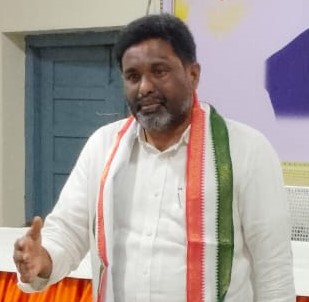
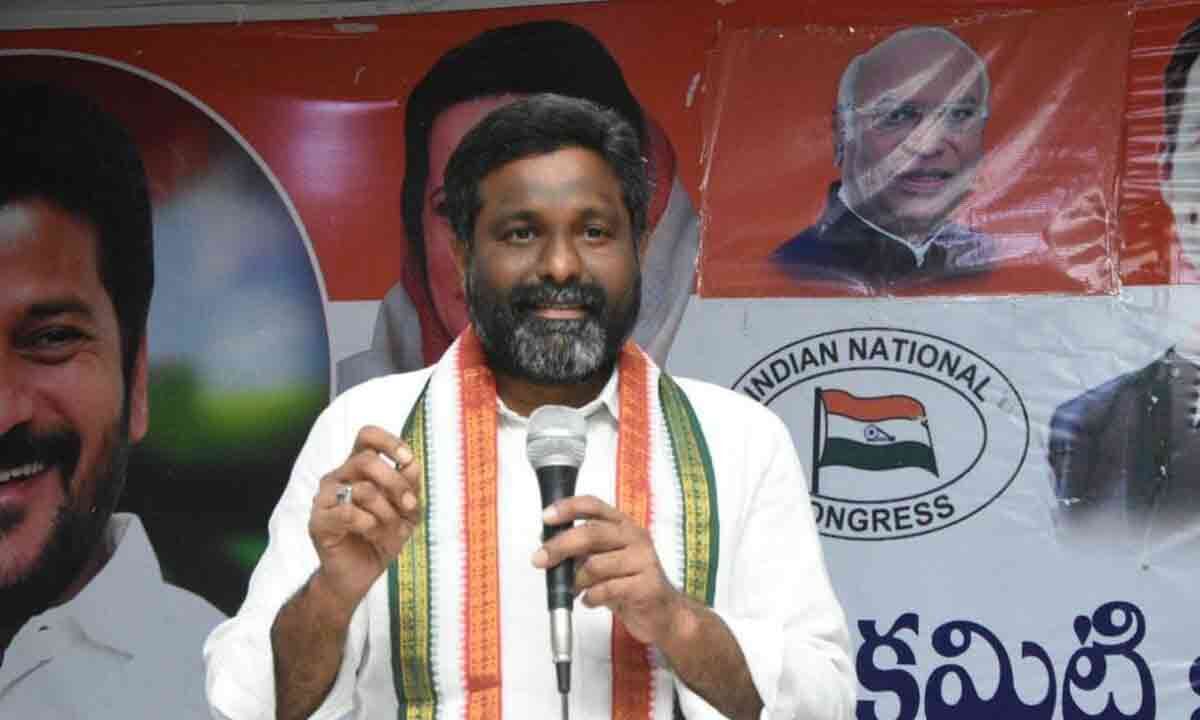
Khammam Town Congress Committee president Javed Mohammad shared his opinion with Prime Post on Congress party legacy in shaping India by implementing comprehensive policies after the country was freed from the British rule.
- Prime Post: How do you read the Congress’s social and economic policies across its 57 years of rule?
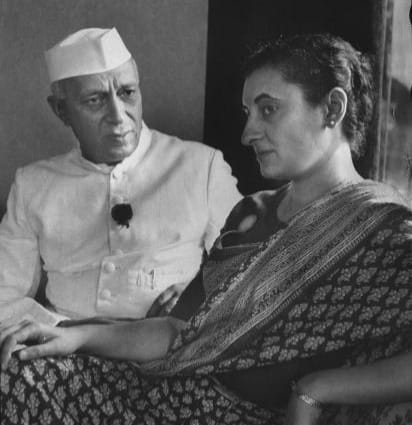
Javed: The Congress policy journey, starting with Jawaharlal Nehru, aimed to build a nation strong in both defense and economics. Nehru focused on government-sector industries and irrigation projects to boost food production. Lal Bahadur Shastri advanced this with the powerful slogan, ‘Jai Jawan, Jai Kisan’ (Hail the Soldier, Hail the Farmer).
Later, Indira Gandhi pushed for social justice with ‘Garibi Hatao’ (Abolish Poverty) and strengthened the defense sector. Rajiv Gandhi prioritized technology development. The most transformative shift came in 1991 under P.V. Narasimha Rao, who introduced economic liberalization, setting the stage for India’s current global position.
- PP: Experts suggest the NDA government implemented economic policies more perfectly than Congress, noting the country’s GDP touched $4.19 trillion, making it the world’s fourth-largest economy. How do you differentiate the success of Congress and the NDA government?
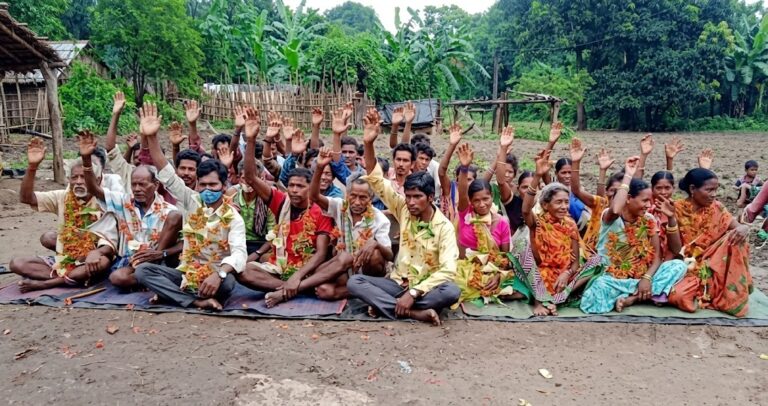
Javed: The core difference lies in the target beneficiary. Congress-era policies were fundamentally designed to ensure a decent life for the poor in villages and empower the growing middle class in urban areas, who later leveraged liberalization to establish start-ups and become semi-rich. Programs like MNREGS were pivotal in providing dignity to the poorest.
In its first phase, Congress built self-reliance in agriculture and industry. Later, it focused on technology and software. The ‘seeds’ sown by Congress have been yielding fruits for decades. The NDA government has largely accelerated this growth to create more billionaires. Under the current BJP rule, the stated goal seems to be the elevation of a few into the ‘high super-rich’ category. Dispelling Allegations of Favoritism and Undemocratic Functioning
- PP: There are allegations that party posts in Congress are given to those who manage key leaders, sidelining sincere and committed workers. Is this true?
Javed: That is not true. My own journey serves as a clear counter-example. My elevation as the President of the Khammam Town Congress Committee and a PCC member is based purely on commitment. I joined Congress in 1994 as a regular worker and worked in Sevadal, even attending the national instructor’s training camp at Gandhi Smriti Darshana Samiti, Rajghat, in 2010.
- PP: Many believe that democratic spirit in the party is minimal and that high-command decisions are the only ones given weight. What is your response to this?
Javed: Party posts are filled in a democratic manner. When new DCC presidents are appointed in the country, an AICC observer is deputed to gather opinions. For instance, the AICC observer Mahendran, who visited Khammam on October 11, solicited the views of all local party leaders and workers before making a decision. Committed leaders and workers are consistently honored in the process.
Editor, Prime Post
Ravindra Seshu Amaravadi, is a senior journalist with 38 years of experience in Telugu, English news papers and electronic media. He worked in Udayam as a sub-editor and reporter. Later, he was associated with Andhra Pradesh Times, Gemini news, Deccan Chronicle, HMTV and The Hans India. Earlier, he was involved in the research work of All India Kisan Sabha on suicides of cotton farmers. In Deccan Chronicle, he exposed the problems of subabul and chilli farmers and malpractices that took place in various government departments.
Email: ravindraseshu7@gmail.com
Mobile: 9063718675