
The issue of increasing BC (Backward Class) reservations to 42% in local body elections is currently causing a political uproar in Telangana. Until recently, various groups hoped that the Revanth Reddy government would implement the 42% reservation through some means. However, their hopes were dashed when the Telangana High Court’s division bench, led by the Chief Justice, issued interim orders on Thursday regarding the petitions challenging the 42% BC reservation.
The court placed a stay on GO No. 9, which the state government issued to implement the reservation, and the notification for the local body elections. The case hearing has been adjourned for six weeks, halting the election process. Consequently, the Election Commission announced the suspension of the code of conduct and the entire election process until a new notification is issued.
Congress vs. BJP : The Blame Game
This matter has now turned into a confrontation between the Congress and the BJP. The Congress is alleging that the BJP government at the Centre is not cooperating with Chief Minister Revanth Reddy’s attempts to provide 42% reservations to BCs. The BJP, on the other hand, is counter-attacking, claiming it’s a ploy by the Congress to increase Muslim reservations.
The BJP demands that the entire 42% reservation be allocated only to BCs without inclusion for Muslims. They allege that 10% of the currently proposed 42% reservation for BCs has been earmarked for Muslims. Congress leaders, however, clarify that the 10% reservation mentioned in the bill is not for the entire Muslim community but only for the Dudekula caste within the Muslim community, which is categorized as BC. Despite this clarification, the war of words between the Congress and the BJP continues.
This political tussle primarily between these two parties has now made the question of who is playing the foul game ? (Dongaata) a topic of discussion in the state. Some allege that the BJP is obstructing BC Reservations in the name of Muslim Reservations. Others, however, accuse the Telangana government of washing its hands of the issue by passing the buck to the Central Government, and attempting to provide reservations through GO No. 9 without examining the feasibility. On the other hand, the BRS is criticizing the Revanth Reddy government for lacking sincerity in implementing the reservations. Amidst this backdrop, the common public is unable to understand which party is genuinely committed to providing 42% reservations to the BCs.
The Background of the 42% BC Reservation Bill
About six months ago, the Congress government passed two bills in the Telangana Assembly providing 42% reservations for BCs in education, employment, and politics. These bills were then sent to the Central government for approval but have not yet been cleared. Subsequently, Chief Minister Revanth Reddy and other Congress leaders staged a protest at Jantar Mantar in Delhi, vowing to achieve the 42% BC reservations by either “bending Modi’s neck or dethroning Modi.” They accused the Centre of intentionally delaying the approval of the bills.
Amidst this political turmoil, the Telangana High Court directed the government to hold local body elections by September 30. Implementation of the 42% BC reservation would only be possible if the Centre approved the bills.Otherwise, the reservation could not be enforced in these elections.
Therefore, the Telangana government sought an alternative route and introduced an Ordinance to implement the 42% reservation for BCs. However, the Governor forwarded the Ordinance to the Central Home Ministry for advice without approving it, stalling its implementation.
Following these developments, the Revanth government took another step forward by issuing GO No. 9, providing 42% reservation for BCs in the state and also removing the 50% reservation limit stipulated in the Panchayat Raj Act. Subsequently, the Election Commission released the schedule and notification for the local body elections. However, on the very first day of the nomination process, the Telangana High Court issued a stay on GO 9 and the election notification.
The Legal Dispute Over the 50% Limit
The main argument of the petitioners is that, according to the Indian Constitution, the total reservations implemented for all castes cannot exceed 50%. They also argue that the caste enumeration undertaken by the Revanth government was not based on a scientific method. The High Court case revolves around these issues.
Past Court Judgments:
Indira Sawhney Case (Mandal Judgment – 1992): The Supreme Court upheld 27% reservation for OBCs in this landmark verdict but re-emphasized the rule that the reservation limit should **not exceed 50%**, stating that this limit applies except in “extraordinary circumstances.”
Bihar 65% Quota (2024): The Patna High Court declared the Bihar government’s decision to provide 65% reservation in education and government jobs, based on a caste survey, as unconstitutional. The Supreme Court refused to stay the high court’s decision.
Tamil Nadu 69% Quota (1990): Tamil Nadu increased its reservation quota to 69%. The Supreme Court upheld this law after it was included in the Ninth Schedule of the Constitution in 1993. Laws placed under the Ninth Schedule cannot typically be challenged on the grounds of violating fundamental rights.
Amidst such varying court judgments and the differing stances of political parties, the implementation of the 42% reservation for BCs in Telangana has been put on hold. For the common people, it remains unclear “who is playing the foul game ?” in this political chess game.
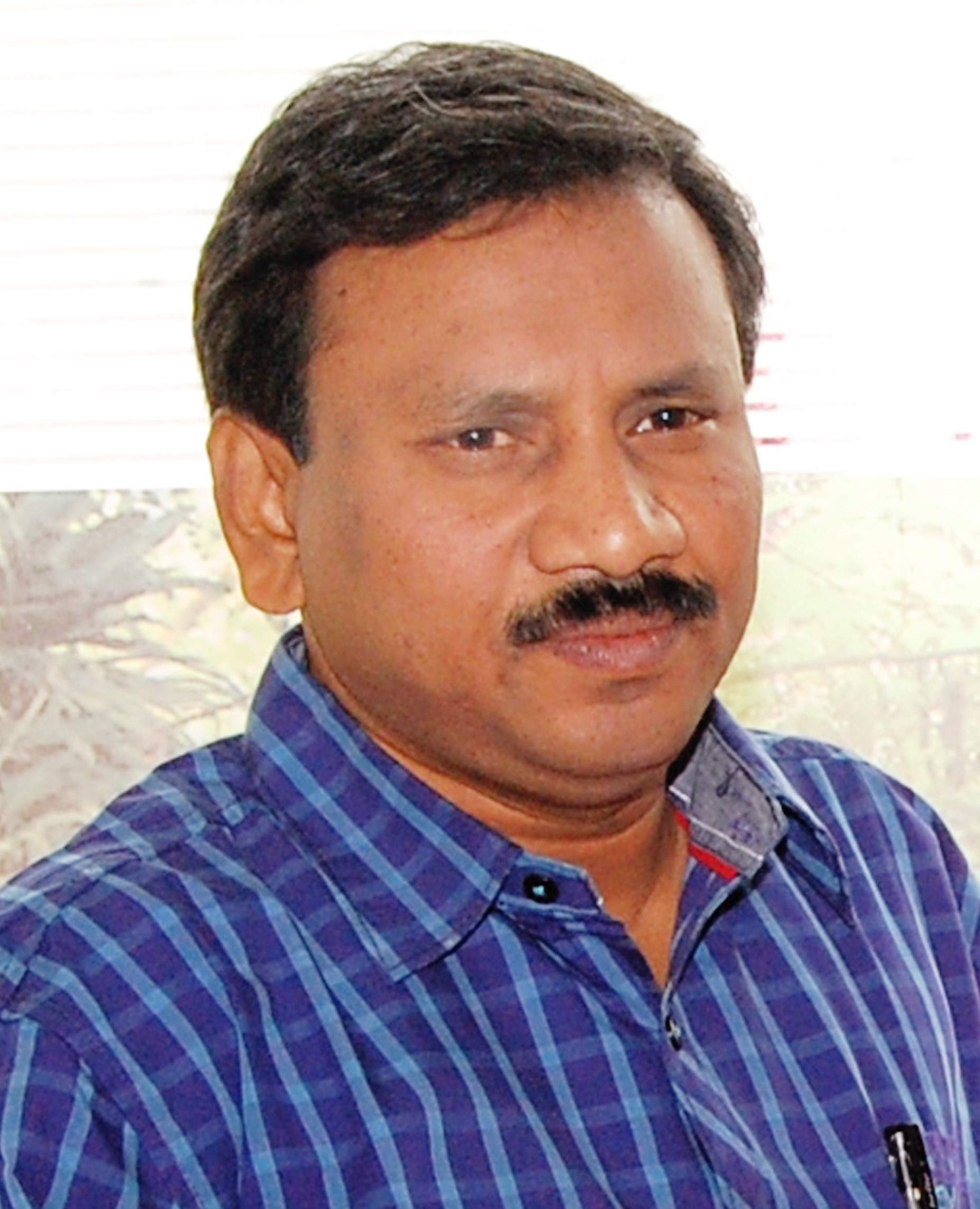
Senior Journalist
Anand Gantela is a seasoned media professional with nearly three decades of experience across the spectrum of Indian journalism. Having worked extensively in both print and broadcast media, he has held key positions at renowned outlets such as Prajashakthi, Andhra Bhoomi, Mudra, Media India, Siti Cable, Mana Telugu, and Maa TV. From ground-level reporting to managing news bureaus and overseeing bulletin production, Anand has witnessed the evolution of news firsthand. His wealth of experience reflects a deep understanding of the dynamic and ever- evolving landscape of news reporting.
Email: gantela.anand@gmail.com
Mobile: 7893549889
The article covered all the issues. Good