Why the RSS Chief Rejects the ‘Sangh Party’ Label
The Bharatiya Janata Party (BJP), which has been India’s ruling political party since 2014 under Prime Minister Narendra Modi, is widely known for its strong ideological link with the Rashtriya Swayamsevak Sangh (RSS). The BJP’s political identity, its adherence to the Hindu nationalist ideology of Hindutva, and its very origin emerging from the Bharatiya Jana Sangh (BJS) which was founded as the political wing of the RSS make this relationship clear. However, RSS Chief Mohan Bhagwat Ji on Sunday, addressing a two-day lecture series titled ‘100 Years of Sangh Journey: New Horizons’ in Bengaluru, stepped in to strongly clarify a crucial distinction, stating plainly: “No party is ours and all parties are ours.” This affirmation directly challenges the notion that the BJP is simply a “Sangh Party” under the control of the RSS.
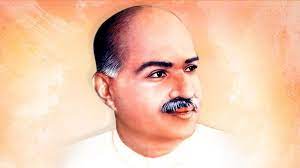
The history of the connection is undeniable. The Bharatiya Jana Sangh (BJS), the predecessor of today’s BJP, was established in 1951 by Shyama Prasad Mukherjee after he left the Hindu Mahasabha. The key point is that the BJS was formed specifically to serve as the political wing of the RSS. After the Emergency period (1975–1977), the Jana Sangh merged into the Janata Party, but when that coalition dissolved in 1980, its former members came together to form the modern-day BJP. Many of the BJP’s senior leaders, including current and past prime ministers, have been Swayamsevaks (full-time workers) of the RSS, highlighting the deep organizational and ideological links that bind the two entities.
Despite this intricate history and shared ideology, Mohan Bhagwat Ji’s recent clarification provides a vital perspective from the Sangh itself. He stressed that the core work of the RSS is uniting the entire society, whereas politics, by its nature, is divisive. To preserve its neutral and all-inclusive social mission, the RSS explicitly stays out of “vote politics” and “election politics.”
Bhagwat Ji made it clear that the RSS’s support is directed towards policies, not parties or individuals. He stated, “We will exert our force to support the right policy, not an individual, not a party, but policy.” This position reframes the relationship with the BJP. It suggests that while the BJP’s policies, which adhere to Hindutva and nationalist principles, often align with the RSS’s national vision, the support is not permanent or exclusive.
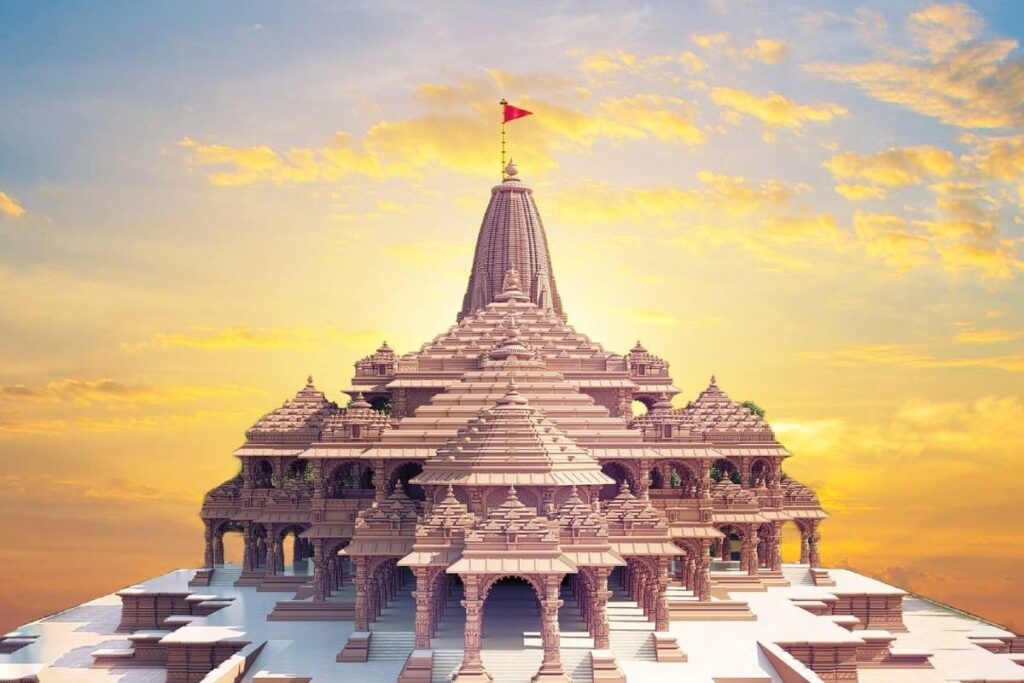
He used the highly significant example of the Ram Mandir movement to illustrate this principle. He acknowledged that the BJP supported the movement, but he asserted that if the Congress or any other party had supported the construction of the Ram Mandir, the RSS would have supported them just as strongly. This statement serves to detach the RSS from the label of being the exclusive ideological parent of the ruling party.
By stating, “We don’t have special affinity towards one party”. There is no Sangh party. No party is ours and all parties are ours because they are Bharatiya parties,” the RSS Chief is asserting that the organization sees its duty as supporting the nation’s welfare, irrespective of the political banner. It is a way of positioning the RSS as a socio-cultural institution that stands above the political fray, acting as a guide or moral compass, rather than a party-controlling machine.
while the BJP, with its right-wing to far-right ideology and status as the largest political party in India, undeniably traces its roots and ideological tenets back to the BJS and the RSS, Mohan Bhagwat Ji’s powerful “No Sangh Party” declaration serves as a crucial line of distinction. It attempts to redefine the RSS’s role from a political operator to a national organizer, whose support is based on the correctness of a policy, not the party in power.
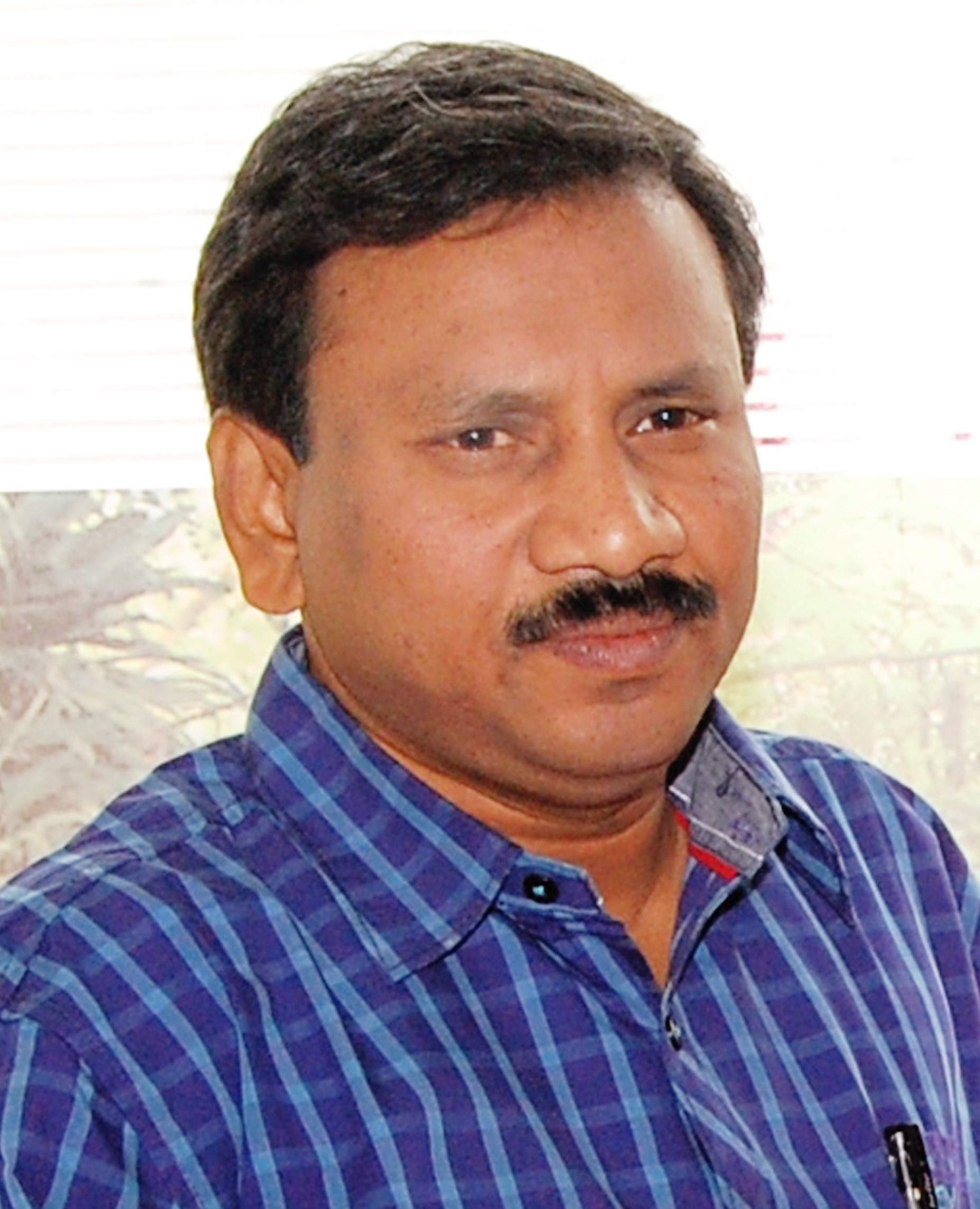
Senior Journalist
Anand Gantela is a seasoned media professional with nearly three decades of experience across the spectrum of Indian journalism. Having worked extensively in both print and broadcast media, he has held key positions at renowned outlets such as Prajashakthi, Andhra Bhoomi, Mudra, Media India, Siti Cable, Mana Telugu, and Maa TV. From ground-level reporting to managing news bureaus and overseeing bulletin production, Anand has witnessed the evolution of news firsthand. His wealth of experience reflects a deep understanding of the dynamic and ever- evolving landscape of news reporting.
Email: gantela.anand@gmail.com
Mobile: 7893549889