A Critique of Human Philosophy
The Six Enemies Within and the Hypocrisy of Civilisation
“I DO NOT SMOKE, I DO NOT DRINK, I DO NOT WOMANISE, NOR DO I INDULGE IN UNETHICAL PLEASURES.”
I am Shiva. I have vociferously advocated.
But as a wise man has retarded
Yet, as a provocative philosophical observation suggests, “A man without vices has no virtue at all.”
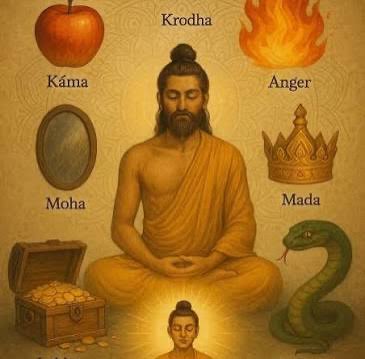
The paradox deserves reflection. Virtue is not merely abstinence; it is the triumph of conscience over temptation. Hindu philosophy identifies six adversaries of human character—Kama (desire), Krodha (anger), Lobha (greed), Moha (delusion), Mada (arrogance) and Matsarya (envy)—collectively known as Arishadvargas or Shadripus. These are not merely religious abstractions but penetrating observations of human psychology, social behaviour and the abuse of power.
The anatomy of human weakness
Kama extends beyond sensual appetite to the insatiable pursuit of pleasure, possessions and domination. Krodha converts frustration into vengeance and persecution. Lobha institutionalises limitless accumulation, irrespective of human suffering. Moha subordinates reason to inherited prejudices and collective identities. Mada intoxicates individuals with wealth, authority and status. Matsarya transforms another person’s success into one’s own resentment. The Bhagavad Gita briefly but profoundly warns that uncontrolled desire breeds anger, clouds judgement and destroys discrimination. Desire, anger and greed are identified as destructive gates to human degradation. Its essential prescription is self-mastery.
From personal vices to global exploitation
The greater tragedy is how individual weaknesses become institutionalised. Greed transforms into economic exploitation; arrogance into authoritarianism; desire into territorial expansion; delusion into fanaticism; anger into organised hatred; and envy into social antagonism. Throughout history, imperial conquest, slavery, colonial extraction, feudal domination and monopolistic accumulation have enriched privileged interests at the expense of ordinary populations. Modern capitalism, when divorced from accountability, can similarly accommodate monopolies, predatory finance, labour exploitation and the concentration of wealth.
These tendencies have also transformed into global political, commercial, religious, caste, racial, linguistic, regional and class chauvinism. Nationalism can become imperial ambition, religion a political instrument, caste an apparatus of hierarchy, language a badge of exclusion and regional pride an excuse for hostility. International trade can become economic coercion, while strategic competition over markets, territory and resources imposes enormous costs upon vulnerable populations. This is not necessarily a centrally orchestrated conspiracy, but a recurring pattern of powerful interests exploiting social divisions to preserve privilege. The common citizen, divided by identities and prejudices, frequently becomes the ultimate casualty.
The paradox of religion and morality
The world’s philosophical traditions have repeatedly condemned these tendencies. Buddhism identifies greed, hatred and delusion as the three poisons. Christianity’s traditional seven deadly sins include pride, lust, greed, wrath and envy. Ancient Greek philosophy advocated moderation, reason and self-discipline. Yet religious establishments, like political institutions, have not always practised what they preach. Some have accumulated wealth, legitimised social hierarchies and protected influential patrons; others have courageously challenged injustice and defended human dignity. The distinction between sacred philosophy and institutional hypocrisy must never be blurred. A sermon on renunciation loses its moral authority when delivered from a throne of unaccountable privilege.
The literary indictment
Hindi literature has been an equally formidable critic of human hypocrisy. Munshi Premchand, through Godaan, exposed exploitation, caste oppression and the economic vulnerability of ordinary people. Harishankar Parsai’s incisive satire dismantled the pretensions of politicians and social hypocrites. Ramdhari Singh Dinkar, particularly in Kurukshetra, examined the conflict between power, violence and moral responsibility. Mahadevi Varma’s humanism illuminated the suffering concealed beneath social conventions. Their collective literary message is unmistakable: selfishness frequently masquerades as righteousness, while exploitation seeks legitimacy through tradition and authority.
Who bears the consequences?
The ordinary human being invariably pays the price. Workers suffer exploitation, farmers endure economic uncertainty, women confront unequal power, marginalised communities experience discrimination and indebted households struggle against institutions beyond their control. The privileged often possess the means to escape the consequences of their decisions; the vulnerable inherit the burden. The poor are instructed to practise contentment, while the powerful pursue limitless accumulation. Moral instruction thus becomes asymmetrical: restraint for the masses, privilege for the elite.
The ultimate test of virtue
A person who abstains from smoking, drinking or sexual excess is not automatically virtuous if consumed by greed, arrogance, prejudice or cruelty. Equally, personal imperfections do not negate the possibility of compassion, integrity and courage.
HUMAN TOUCH
——————
THE DOCTOR FAILS TO GIVE HEALING TOCH. – A corporate health mafia
THE POLICE FAILS TO PROVIDE WITH PROFESSIONAL TOUCH –
A political police nexus
THE TEACHER FAILS TO PREACH and PROVIDE WITH SKILs NECESSARY- kills Education system
Civilisation cannot eliminate every human weakness. It must, however, establish ethical restraints, accountable institutions, economic justice and social arrangements that prevent individual vices from becoming collective catastrophes.
THE REAL MEASURE OF VIRTUE IS NOT WHAT A PERSON REFRAINS FROM DOING, BUT HOW HE TREATS THOSE WHO CANNOT REWARD HIM, RESIST HIM OR RETALIATE AGAINST HIM.
Humanity has conquered continents, transformed technology, expanded commerce and accumulated unprecedented material wealth. Yet it remains remarkably unsuccessful in conquering the enemies within. The six adversaries do not always appear as obvious vices. They frequently wear the robes of righteousness, the insignia of authority, the ornaments of wealth and the vocabulary of nationalism, religion and social prestige.
THE GREATEST TRAGEDY IS NOT THAT HUMANITY HAS SIX ENEMIES WITHIN; IT IS THAT CIVILISATION SO OFTEN REWARDS THEM, INSTITUTIONALISES THEM AND CROWNS THEIR MOST SUCCESSFUL EXPONENTS.

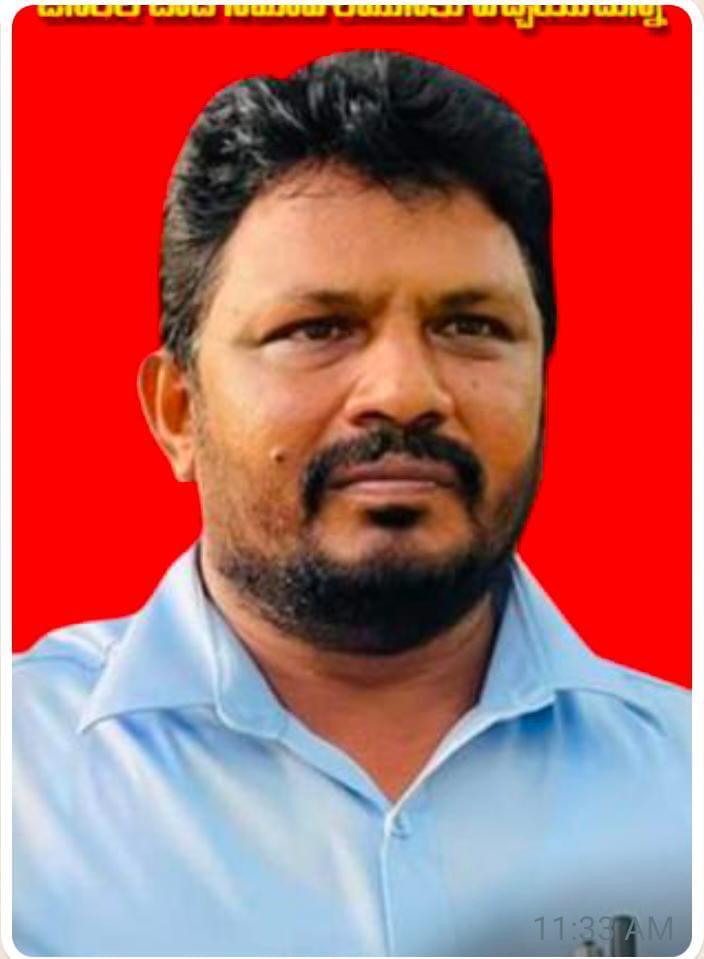
M. Shiva Prasad, IPS (Rtd.) is a dedicated law enforcement professional who served the combined Andhra Pradesh cadre before opting for the Telangana cadre. Though a native of Andhra Pradesh, he considers himself a true Hyderabadi with an abiding love for the Telugu people. Driven by sincerity, fearlessness, and a lifelong fight against inequality and injustice, his ultimate strengths remain his goodwill and deep affection for the public and the police force. Today, he continues his mission by writing snippets and articles true to his conscience.
Email: Shivareach@yahoo.com
Mobile: 98480 38774