WHEN THE WHOLE WORLD STANDS AGAINST YOU
You may have to fight it out when the whole world stands against you. When power becomes oppressive, institutions turn hostile, society becomes discriminatory and established conventions deny you the elementary dignity of existence, resistance ceases to be a choice. It becomes a necessity. You may be outnumbered, outmanoeuvred, humiliated, imprisoned, dispossessed or defeated. You may stand against an entire establishment, an entrenched ideology or an uncompromising social order. Yet the fight must go on. For the worth of a struggle cannot always be measured by the immediacy of its victory.
HISTORY IS NOT MERELY THE CHRONICLE OF THE VICTORS; IT IS ALSO THE TESTIMONY OF THE VANQUISHED WHO REFUSED TO SURRENDER.
THE WARRIORS OF CONVICTION

Socrates confronted the intellectual complacency of Athens with questions that exposed the limitations of conventional wisdom. Condemned to death, he refused to abandon his philosophical convictions. His execution silenced a man, not his ideas. Plato and Aristotle subsequently shaped the intellectual foundations of Western civilisation. Jesus Christ confronted religious hypocrisy and moral arrogance through compassion, sacrifice and spiritual conviction. Crucified by imperial authority, he became the enduring symbol of a moral struggle that transcended his immediate historical defeat.
Gautama Buddha challenged ritualistic exclusiveness, ignorance and attachment. Mahavira advanced the uncompromising principles of ahimsa, restraint and non-possession. Their revolutions were not fought with armies but through the transformation of human consciousness. Sri Rama and Sri Krishna, through the epic traditions of India, represent the perennial struggle between dharma and adharma, duty and temptation, righteousness and injustice. The sages, saints and Bhakti reformers questioned inherited religious authority, caste arrogance and ritualistic domination. Their resistance frequently came at the cost of social acceptance and institutional recognition. Spartacus, the enslaved gladiator, led a rebellion against Roman domination. His revolt was crushed, but his name survived as a symbol of resistance to bondage.
The Paris Commune was suppressed. The revolutions of 1848 suffered reversals. Yet their aspirations for popular sovereignty, workers’ rights and political freedom continued to influence subsequent generations. The defeated may disappear from the battlefield, but their causes do not necessarily perish.
THE REVOLT AGAINST ECONOMIC AND SOCIAL SUBJUGATION
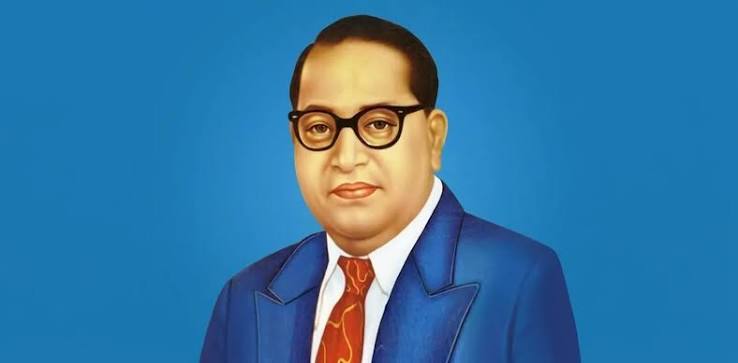
Karl Marx exposed the exploitative foundations of capitalist production, the concentration of economic power and the alienation of labour. He questioned an economic order in which those who produced wealth remained subordinate to those who owned capital. B. R. Ambedkar confronted another formidable establishment: the deeply entrenched hierarchy of caste. His struggle against untouchability, hereditary discrimination and social exclusion was a battle for the very recognition of human dignity. Through Annihilation of Caste, the Mahad Satyagraha and constitutional safeguards, he transformed social protest into an enduring democratic demand. Marx interrogated class domination; Ambedkar exposed the independent and deeply embedded tyranny of caste. Their intellectual trajectories differed, but both challenged structures that perpetuated human subordination.
The struggles of slaves, indentured labourers, colonised populations, tribal communities and dispossessed peasants belong to the same larger history of resistance. The abolition of slavery did not abolish exploitation. Colonialism did not disappear without leaving economic and institutional legacies. Nor did political independence automatically secure social or economic emancipation.
THE NEW IMPERIALISM: TRADE, WEAPONS AND ECONOMIC WARFARE
The modern world has perfected subtler instruments of domination. Trade wars, punitive tariffs, sanctions, strategic embargoes, debt dependence and control over critical technologies have become instruments of geopolitical coercion. The global arms industry thrives on insecurity, while imperial ambitions are frequently disguised as strategic partnerships, security arrangements and commercial interests. Weapons are manufactured in the name of peace, markets are manipulated in the name of free trade, and economic dependencies are cultivated in the name of development. The contemporary slave may not wear chains, but can remain imprisoned by debt, exploitative contracts, economic insecurity and unequal bargaining power. The battlefield has expanded from territorial conquest to financial systems, supply chains, technology and control over resources.
IMPERIALISM HAS NOT DISAPPEARED; IT HAS CHANGED ITS INSTRUMENTS.
THE MULTIPLE FACES OF OPPRESSION
Economic clout determines access to opportunity and often influences the institutions meant to protect the vulnerable. Religious clout can convert faith into political domination, turning differences of belief into instruments of exclusion and persecution. Caste clout perpetuates inherited privilege, untouchability and graded inequality. Gender exploitation denies women equal dignity, safety, opportunity and autonomy.
Racial supremacy, ethnic prejudice and colonial hierarchies have historically divided humanity into those entitled to command and those expected to submit. Religious terrorism represents one of the most brutal manifestations of ideological fanaticism. Organisations such as ISIS and Al-Qaeda have exploited religious rhetoric to justify mass murder, enslavement and persecution. Their atrocities demand unequivocal condemnation. But the fight must be against terrorism and fanaticism, not against entire religious communities. The fundamental enemy is the ideology that dehumanises another person to legitimise domination.
THE DEFEATED MUST FIGHT ON
There is a profound difference between defeat and surrender.
A slave who revolts may be recaptured. A dissenter may be imprisoned. A revolutionary may be executed. A reformer may be ridiculed. A community may lose its land, identity and political representation. Yet none of these outcomes necessarily extinguishes the legitimacy of its struggle. The Haitian Revolution demonstrated that enslaved people could overthrow a colonial slave regime. The anti-colonial movements established that imperial supremacy was not invincible. The civil rights movement exposed the moral bankruptcy of racial segregation. Ambedkar’s struggle demonstrated that constitutional democracy must confront social discrimination rather than merely celebrate political independence. Not every rebellion succeeds; not every revolutionary movement is righteous. Resistance itself must remain accountable to justice, reason and human dignity. Otherwise, yesterday’s oppressed may become tomorrow’s oppressors.
But the necessity of fighting injustice remains undiminished.
PORADITHE POYEDHI EMI LEDU — BANISA SANKELLU TAPPA!
Fight when you are isolated. Fight when institutions deny you justice. Fight when inherited privilege mocks your aspirations. Fight when economic power attempts to purchase your silence, religious fanaticism demands your submission, caste arrogance denies your dignity and political authority treats dissent as disobedience.
Fight with reason against ignorance, constitutional courage against authoritarianism, equality against discrimination and collective solidarity against exploitation. Do not mistake the applause of the powerful for the verdict of history. Do not mistake temporary defeat for permanent extinction. Socrates was executed; his questions survived. Jesus was crucified; his message endured. Spartacus was defeated; the memory of his rebellion remained. Marx and Ambedkar confronted formidable systems whose contradictions continue to invite scrutiny. The vanquished do not always inherit victory. But they can bequeath courage, conviction and an unfinished struggle to succeeding generations.
PORADITHE POYEDHI EMI LEDU — BANISA SANKELLU TAPPA!
There is nothing to lose by fighting except the chains of servitude.
Fight as long as there is blood in your veins, reason in your mind and conscience in your soul. For the greatest defeat is not to fall while fighting against injustice.
IT IS TO ACCEPT INJUSTICE AS AN INEVITABLE CONDITION OF EXISTENCE.

M. Shiva Prasad, IPS (Rtd.) is a dedicated law enforcement professional who served the combined Andhra Pradesh cadre before opting for the Telangana cadre. Though a native of Andhra Pradesh, he considers himself a true Hyderabadi with an abiding love for the Telugu people. Driven by sincerity, fearlessness, and a lifelong fight against inequality and injustice, his ultimate strengths remain his goodwill and deep affection for the public and the police force. Today, he continues his mission by writing snippets and articles true to his conscience.
Email: Shivareach@yahoo.com
Mobile: 98480 38774