Every morning dawns with another festival.
Every street prepares for another celebration.
Every calendar page appears to command another spectacle.
And yet, beneath the music, beneath the lights, beneath the banners—
the common man continues his ancient struggle:
to live, to endure, and simply to get through another day.
O Panduranga!
What strange theatre of our times is this?
The nation speaks the language of prosperity;
The household speaks the language of survival.
The statistics announce expansion;
the kitchen counts every grain.
The economists celebrate the rise of GDP;
the householder calculates the rise of prices.
One number climbs upward.
Another anxiety climbs with it.
The poor man does not live in the world of aggregates.
He lives in the world of necessities.
Rice.
Rent.
Medicine.
Transport.
Electricity.
And after all these have claimed their share,
the festival arrives at the door.
The festival does not ask:
“Can you afford me?”
It simply arrives.
And so another expense is added
to an already exhausted household ledger.
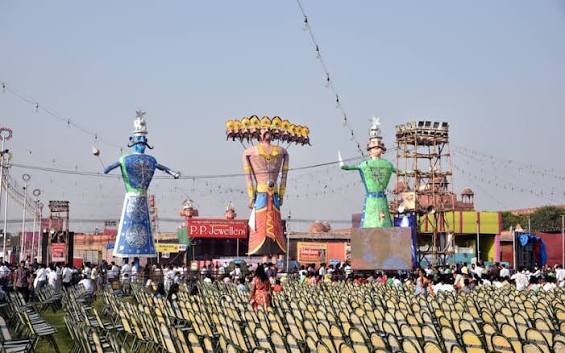
Yet the spectacle must be magnificent.
The banners must be enormous.
The stages must be grand.
The portraits must be larger than life.
At every junction,
upon every wall,
across every flex-banner,
the mighty smile down upon the multitude.
Their portraits are displayed without cost;
the people bear the cost of the display.
What an exquisite paradox!
The celebration is proclaimed in the name of the people,
while the people themselves struggle to participate in it.
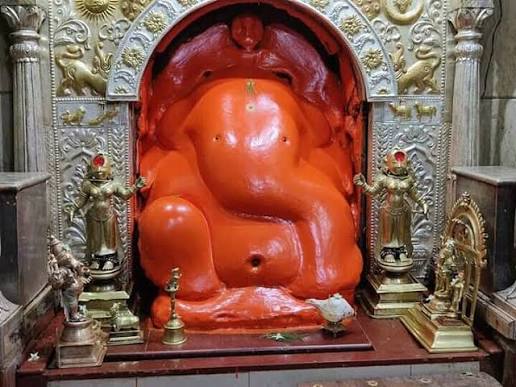
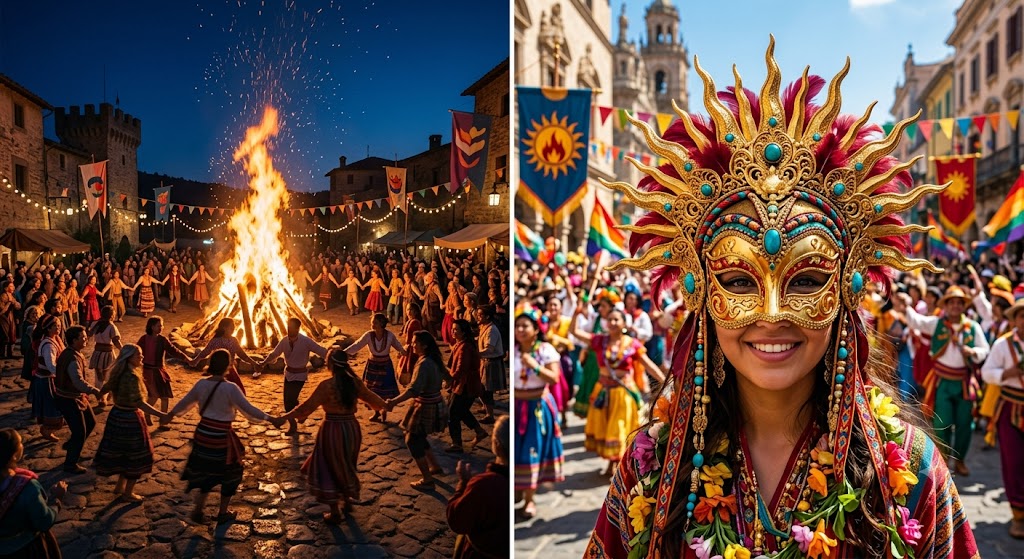
The Gananaayaka is exalted.
The multitude gathers.
The drums resound.
The lights blaze.
The speeches thunder.
And somewhere behind the spectacle
stands the silent citizen—
the real Gananaayaka.
But who hears him?
Who measures his fatigue?
Who records the price of his anxiety?
Who places his daily struggle upon the balance-sheet of national progress?
We are told:
GDP has risen.
Wonderful.
But let us ask the more difficult question:
Has the dignity of ordinary life risen with it?
Has the child’s future become more secure?
Has the mother’s anxiety become lighter?
Has the worker’s labour become more valued?
Has the household budget acquired breathing space?
Has the common citizen gained
not merely income,
but confidence in tomorrow?
For development is not a number.
Development is a human condition.
A nation is not prosperous
merely because its treasury grows.
It is prosperous
when its people no longer live in perpetual fear
of the next bill,
the next illness,
the next school fee,
The next school fee,
the next rise in prices.
What is the meaning of a glittering festival
if the household behind the glitter
cannot afford the ordinary day?
What is the meaning of magnificent illumination
if the citizen’s future remains in darkness?
What is the meaning of gigantic portraits
if the dignity of the ordinary citizen
remains invisible?
Let the banners be lowered for a moment.
Let the statistics fall silent for a moment.
Let the drums cease for a moment.
And let us listen—
to the kitchen,
to the worker,
to the farmer,
to the pensioner,
to the small trader,
to the middle-class family
quietly balancing hope against expenditure.
There lies the real economic report.
There lies the real national account.
There lies the true measure of governance.
For a nation does not become great
by celebrating itself endlessly.
A nation becomes great
when its people possess the means
to celebrate without fear.
Let every festival therefore be more than spectacle.
Let it be food upon the table.
Let it be education within reach.
Let it be medicine without desperation.
Let it be work with dignity.
Let it be hope without illusion.
Let the light that adorns the streets
also enter the homes.
Let the grandeur displayed upon the banners
be reflected in the lives of the people.
For ultimately—
GDP may measure the wealth of a nation;
but the face of its poorest citizen
measures the humanity of that nation.
And therefore, let us not merely ask:
“How much has the economy grown?”
Let us ask the greater question:
“How much has the ordinary human being been enabled to live?”
That is the true test.
That is the moral arithmetic.
That is the unfinished promise of development.
Until that promise is fulfilled—
every day may indeed be a festival;
every street may indeed be a spectacle;
every banner may indeed proclaim prosperity;
but for millions who struggle silently,
life itself remains the greatest expenditure.
And therein lies
the irony of our age:
A Republic overflowing with festivals—
yet a citizen still counting the cost of living.
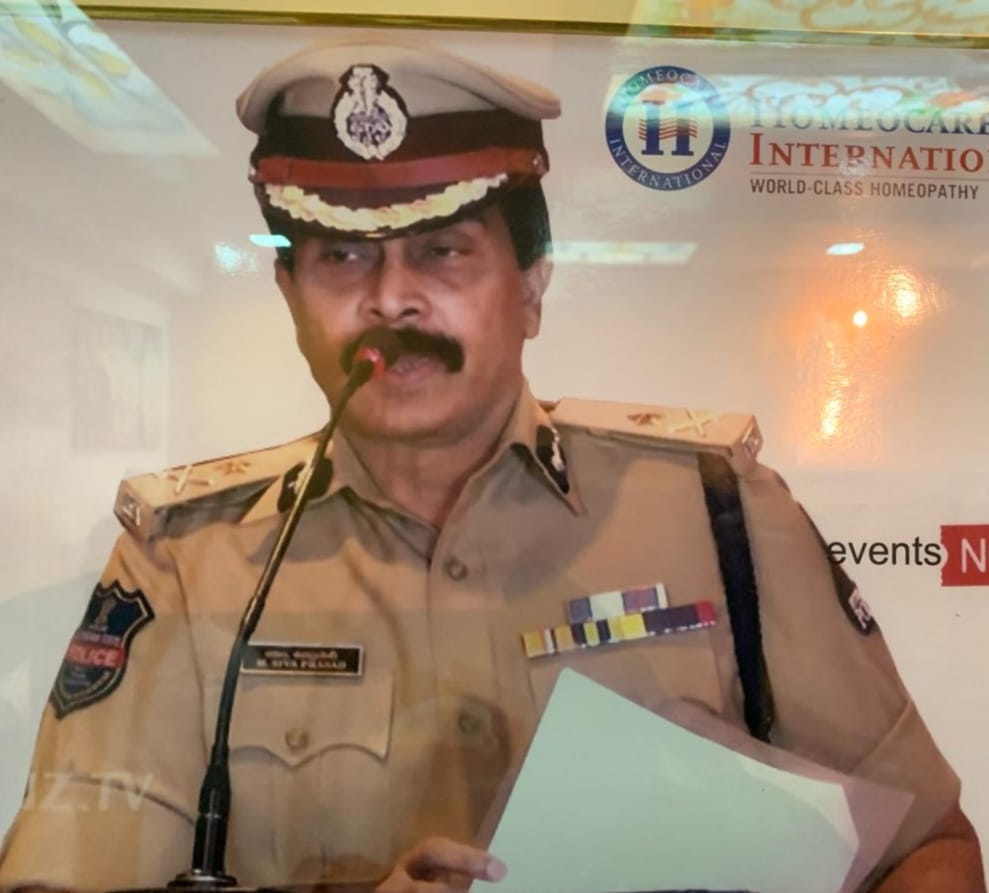
M. Shiva Prasad, IPS (Rtd.) is a dedicated law enforcement professional who served the combined Andhra Pradesh cadre before opting for the Telangana cadre. Though a native of Andhra Pradesh, he considers himself a true Hyderabadi with an abiding love for the Telugu people. Driven by sincerity, fearlessness, and a lifelong fight against inequality and injustice, his ultimate strengths remain his goodwill and deep affection for the public and the police force. Today, he continues his mission by writing snippets and articles true to his conscience.
Email: Shivareach@yahoo.com
Mobile: 98480 38774