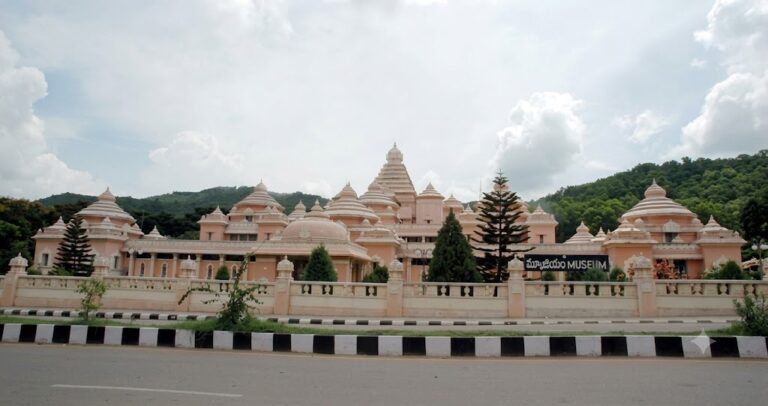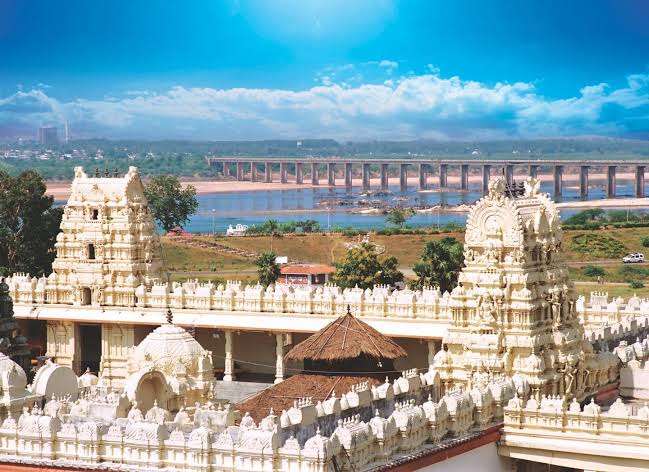
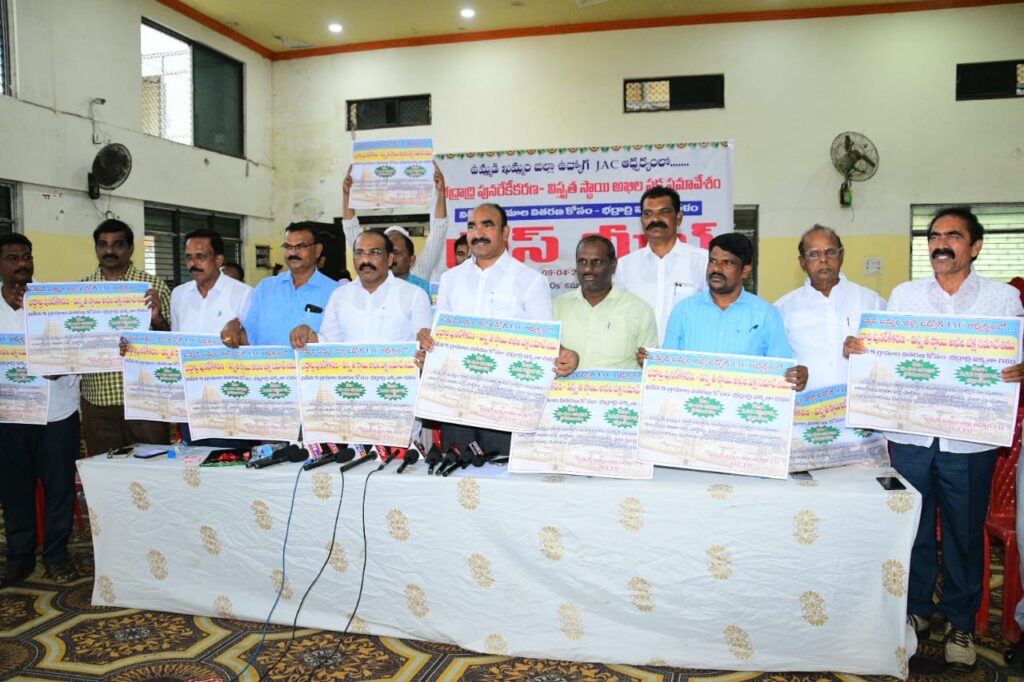
The sacred town of Bhadrachalam, home to the historic Sri Sita Ramachandra Swamy Temple, is currently at the center of a growing movement led by government employees and local activists. The United Khammam District Joint Action Committee (JAC) has intensified its pressure on the Telangana state government to reclaim five critical villages—Etapaka, Purushothapatnam, Pichukalapadu, Kannaigudem, and Gundala—which were transferred to Andhra Pradesh during the 2014 State Reorganization.
An “Unscientific” Division
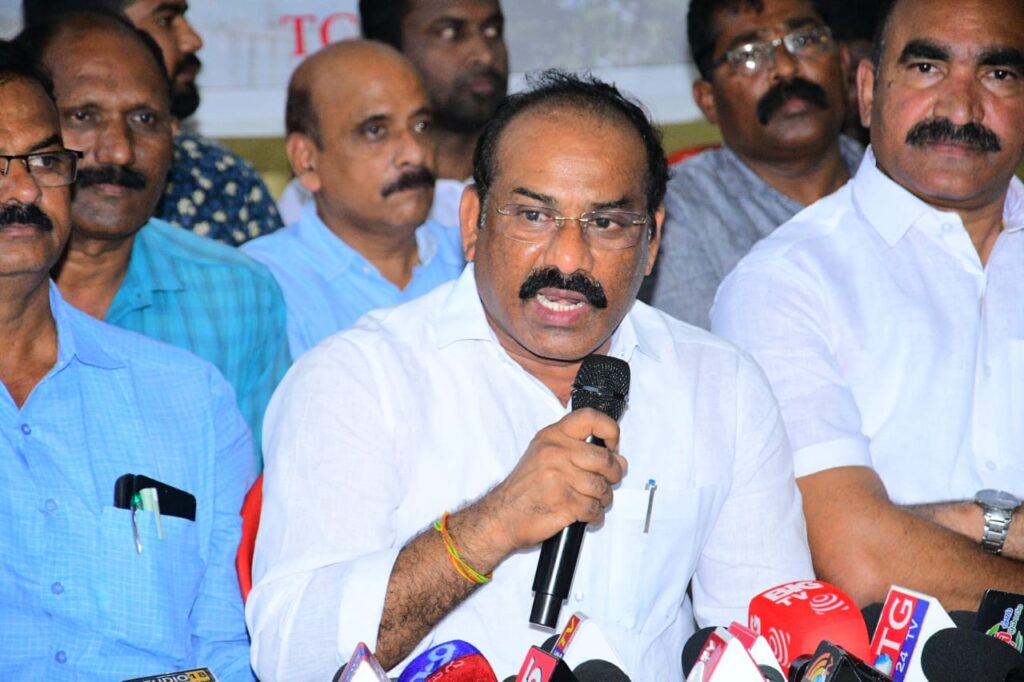
Eluri Srinivasa Rao, President of the Telangana Gazetted Officers Association, has characterized the 2014 division as fundamentally “unscientific.” According to Rao, the hasty redrawing of borders ignored the cultural, spiritual, and administrative realities of the region. The alienation of these five villages has not only disrupted the local social fabric but has also placed the assets of the Bhadradri temple in jeopardy.
A significant portion of the temple’s endowment lands lies within these now-AP villages. Since the reorganization, temple authorities have faced stiff resistance from local farmers tilling these lands, complicating the management of the temple’s heritage. Furthermore, the spiritual journey of devotees is physically fragmented; pilgrims traveling to Parnasala—the site where Lord Rama and Goddess Sita are believed to have lived during their exile—must now cross state lines, creating a logistical and emotional disconnect.
Human Cost and Administrative Limbo
The territorial split has created a unique set of hardships for the residents and employees living in this border zone. Disaster Management: During the monsoon, the Godavari River frequently floods. Because the villages sit on a state border, coordination between Telangana and Andhra Pradesh often falters, leaving residents without timely relief measures.
Education and Local Status: Many Andhra Pradesh government employees working in these villages choose to reside in Bhadrachalam for its educational facilities. Consequently, their children face “local status” hurdles, struggling to claim residency benefits in either state.
Medical Vulnerability: Perhaps most pressing is the healthcare crisis. Residents of these five villages are often hesitant to seek care in Bhadrachalam, fearing they will be denied priority as non-residents. Instead, they are forced to travel nearly 70 kilometers to Chintoor to access Andhra Pradesh government hospitals, a distance that can be fatal in emergencies.
A Call for Cooperation
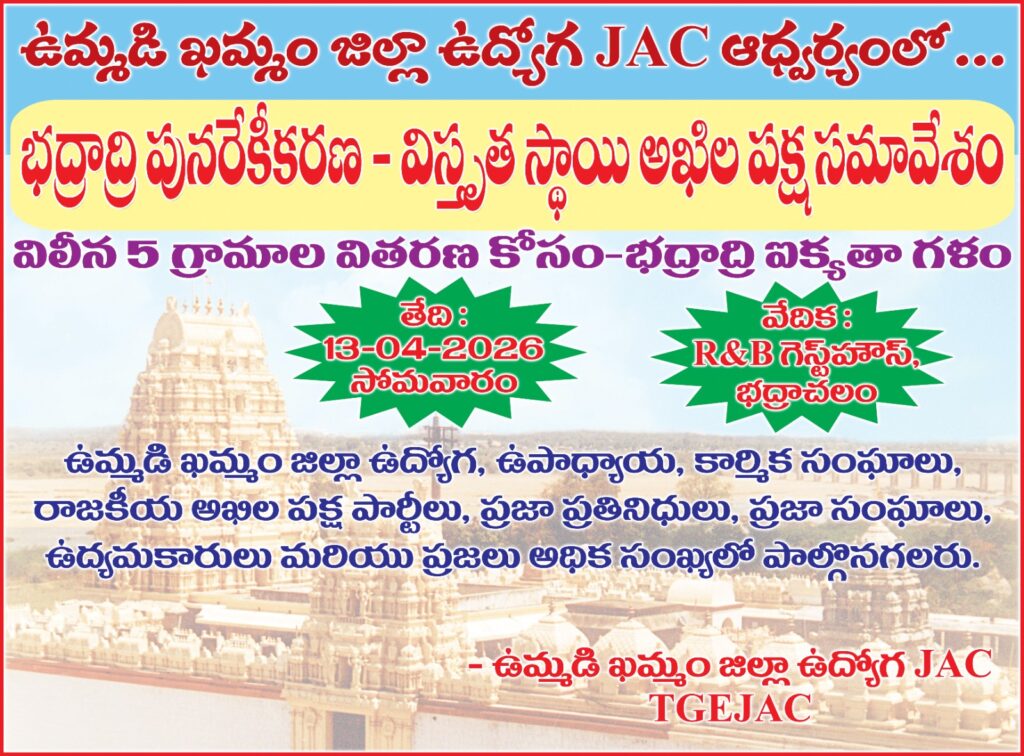
The JAC is now mobilizing a broad coalition, including political parties and trade unions, to advocate for the return of these villages. The movement is calling for the Andhra Pradesh government to approach the issue with a “positive note” and cooperate in restoring the historical and administrative integrity of Bhadrachalam. For the people of the region, this is more than a border dispute; it is a fight to restore the “past glory” of a sacred landscape and ensure the basic welfare of its citizens.
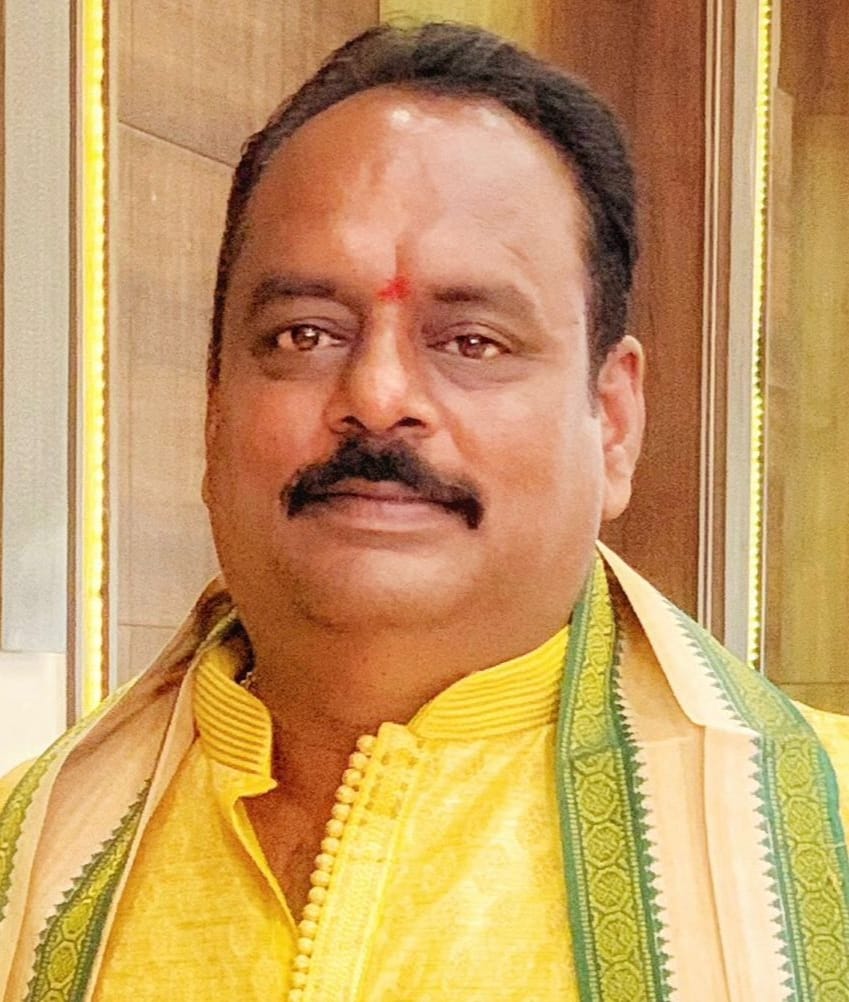
Principal Correspondent, Prime Post
Adapa Dora, journalist cum farmer, proved his excellence in both the fields. While working in Andhra Bhoomi (Telugu Paper) and Deccan Chronicle, he forced a famous seed company to pay compensation to the maize farmers for crop loss due to the supply of spurious seeds to them. He wished to maintain harmony between tribals and non-tribals in the mandals of Bhadradri-Kothagudem district for the prosperous of both groups.
Email: adapa.dora@gmail.com
Mobile: 9441332322