By the time you finish this sentence, three more AI data centers will have been approved. These “energy beasts” are ravenous; global data center power consumption is projected to top 1,000 TWh by 2026—surpassing the total electricity usage of Japan. As Big Tech faces an impending energy famine, a forgotten element is emerging as the ultimate savior: Thorium.
The Hunger and the Pivot
The AI boom is not just a software revolution; it is a physical assault on the global power grid. Goldman Sachs estimates a 160% rise in data center demand by 2030, while US capacity is expected to leap fivefold by 2035. Faced with this math, the “ruthless pragmatists” of Big Tech have already chosen their fuel. Microsoft is restarting the Three Mile Island nuclear plant; Amazon is betting $500 million on Small Modular Reactors (SMRs); Google and Meta have secured massive nuclear power purchase agreements. For the titans of the 21st century, the future runs on the atom.
Why Thorium?
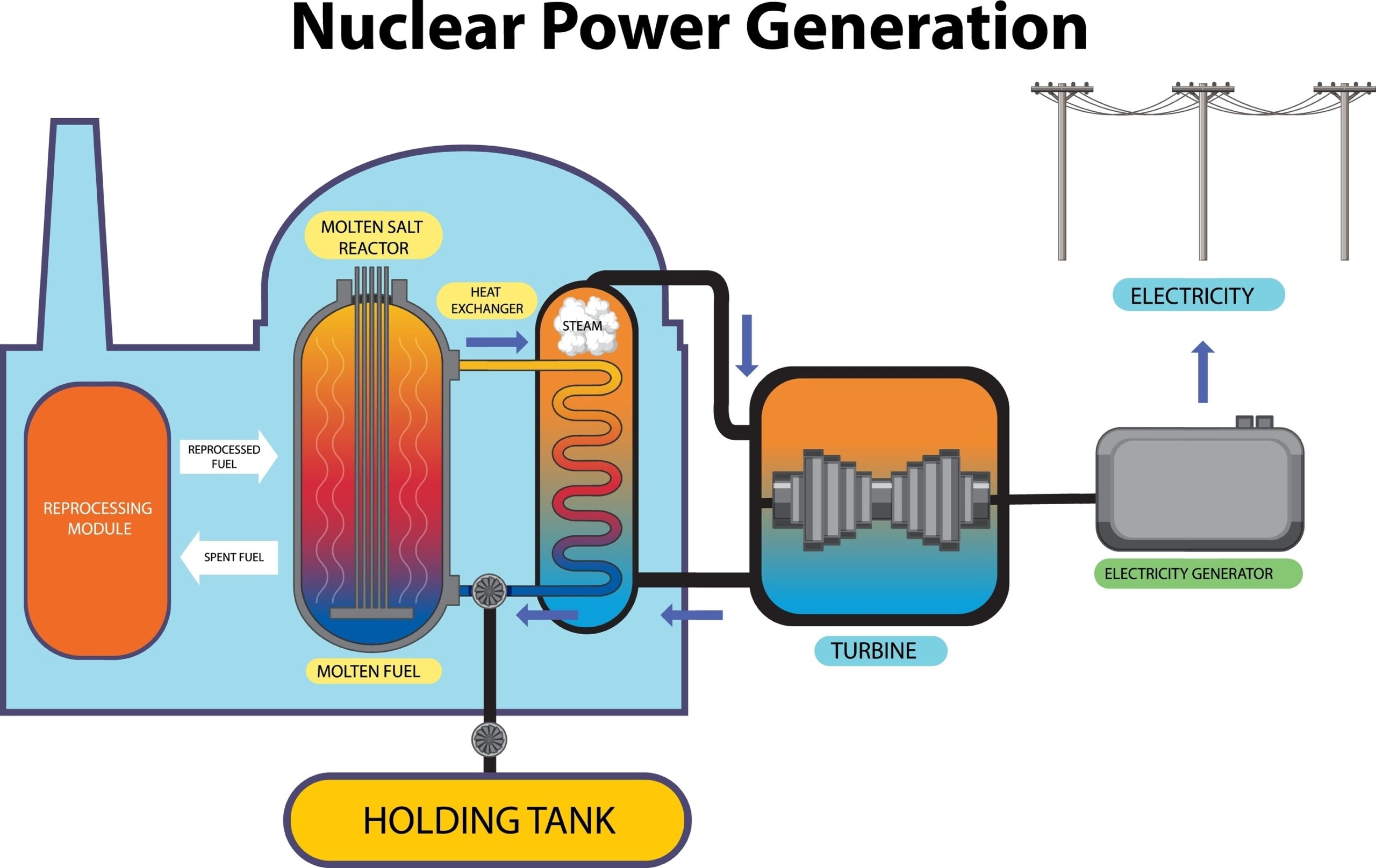
While the world remains fixated on Uranium, that legacy fuel carries heavy baggage: supply bottlenecks, proliferation risks, and millennia of radioactive waste. Thorium-232 offers a radical departure:
Abundance: It is three to four times more common than Uranium.
Safety: Thorium-based Molten Salt Reactors (MSRs) operate at atmospheric pressure, eliminating the risk of pressure-vessel explosions. It produces significantly less long-lived radioactive byproduct.
Shutterstock
The “thorium age” transitioned from theory to reality in November 2025, when China’s TMSR-LF1 reactor achieved the world’s first thorium-to-uranium-233 fuel conversion. China now plans to export this technology to 30 countries. Meanwhile, startups like Copenhagen Atomics aim to mass-produce thorium reactors on assembly lines, targeting a cost of $20 per MWh—cheaper than any fossil fuel on Earth.
India: The Saudi Arabia of Thorium
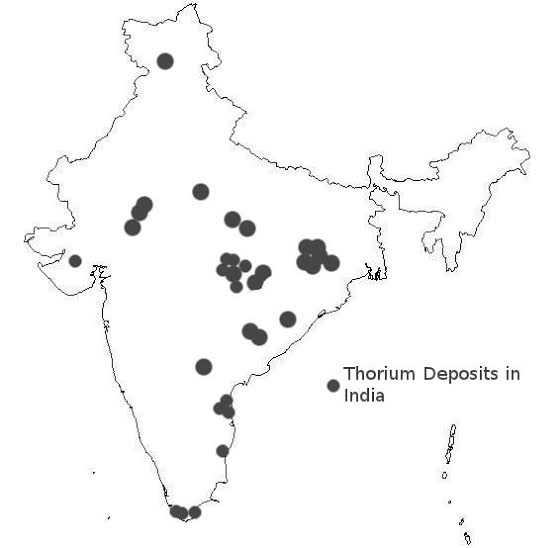
If the 20th century belonged to oil-rich nations, the 21st belongs to the masters of the thorium cycle. Here, all roads lead to India. Holding roughly 25% to 30% of global thorium reserves (some estimates suggest up to 85%), India sits on a geological goldmine.
On April 6, 2026, India’s Prototype Fast Breeder Reactor (PFBR) at Kalpakkam achieved first criticality. This marks the dawn of the second stage of Homi Bhabha’s visionary three-stage nuclear program. Scientists estimate these reserves could provide 5,000 units of electricity per person annually for 500 years.
Nuclear Resource India’s Global Standing Potential Longevity
Uranium Modest/Import-dependent Decades
Thorium World Leader (1.07M tonnes) 500+ Years
Sacred Geometry and Alchemical Memory
There is a “sacred geometry” to this resource. India’s thorium belt—the monazite-rich sands of Kerala, Tamil Nadu, and Odisha—aligns precisely with the Shakti Peethas and ancient coastal temples. Centuries before modern physics, the Tamil Siddhas worked with Navapashanam (nine sacred minerals) in these very sands. The “Brahmastra,” described in the Mahabharata as “bright as a thousand suns,” finds its material echo in the radioactive minerals lining India’s shores. The world’s first nuclear mineralogists didn’t wear lab coats; they wore vibhuti.
The Great Vulnerability
However, India’s greatest asset is also its most exposed flank. Unlike oil buried deep beneath Arabian rock, thorium lies in open beach sands, visible and accessible across thousands of kilometers of coastline. In a world where energy independence threatens the status quo of oil-dependent powers, India’s “thorium corridor” is a massive strategic target. A naval blockade or precision strikes on processing plants could strangle the energy destiny of 1.4 billion people. The threat is not just theoretical; it is a matter of civilizational survival.
Conclusion: Can We Hold It?
The twentieth century was defined by the struggle for hydrocarbons. The twenty-first will be defined by the elements that power the “post-carbon” AI world. China has proven the physics. India holds the fuel. The blueprint drawn by Homi Bhabha seventy years ago is finally manifesting in the criticality at Kalpakkam. The “breeze of Swarajya”—of true civilizational autonomy—is blowing again. The question for this generation is no longer whether we have the power, but whether we have the resolve to protect it. Thorium is not just a mineral; it is the “sacred sand” upon which the next five centuries of Indian history will be built.
(Author Bio: Ved Itharaju studied Filmmaking at the London Film Academy and has spent seven years in the Telugu film industry as a writer and director. He is an OSINT researcher certified by the Mossé Cyber Security Institute, Australia, and a dedicated history buff. To him, philosophy, metaphysics, and dialectics are not merely hobbies—they are essential tools for understanding the world.)

With a journalistic long journey, we bring you https://primepost.news, a dynamic platform committed to unraveling the intricate tapestry of Indian politics, particularly delving deep into the heart of Telangana and Andhra Pradesh. Our blog is not just a source of news; it’s a reservoir of insights, analysis, and thought-provoking reviews.


It’s an innovative subject to be discussed. It’s great if power is generated by Nuclear. And it is also mentioned that India has big potential as it is discovered in sand in beaches (sand combined with salt). It is rightly said we will be in top of it comes in existence. Great advantage for industries and domestic power also. I wish it should come in existence soon.