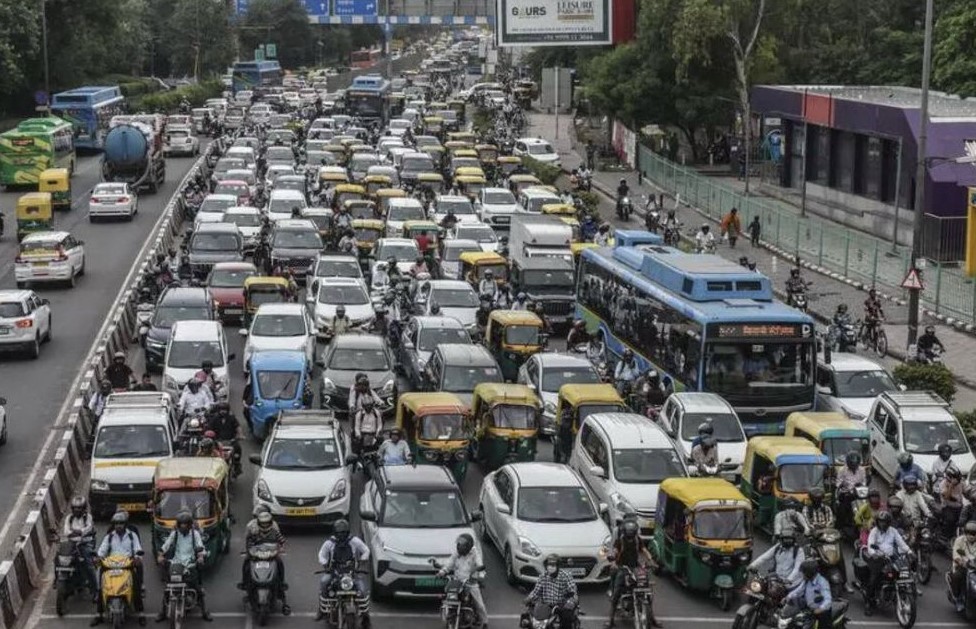
India moves. But does it move wisely?
From metro cities to tier-2 towns, traffic scenes across the country tell a familiar story — red lights treated as suggestions, helmets hanging from handlebars instead of heads, vehicles squeezing through impossible gaps, and parking done wherever space permits. With over 140 crore citizens navigating shared roads daily, the issue is no longer about congestion alone. It is about culture. For decades, India has celebrated jugaad — the art of improvisation. It has powered entrepreneurship and grassroots innovation. But on the road, jugaad often mutates into indiscipline. The mindset becomes: “If I don’t move first, I’ll be stuck.” The signal turns amber, and acceleration follows.
🇮🇳 India vs 🇨🇳 China – Why Different Traffic Sense :
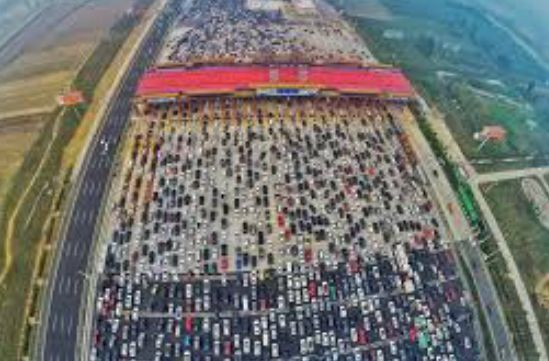
Compare this with cities in countries like China, where similar population density exists but traffic discipline appears markedly different. Surveillance cameras monitor intersections, fines are automated, and enforcement is certain. The difference lies less in population and more in predictability of consequences.
Indian Safety Standards Vs Mindset :
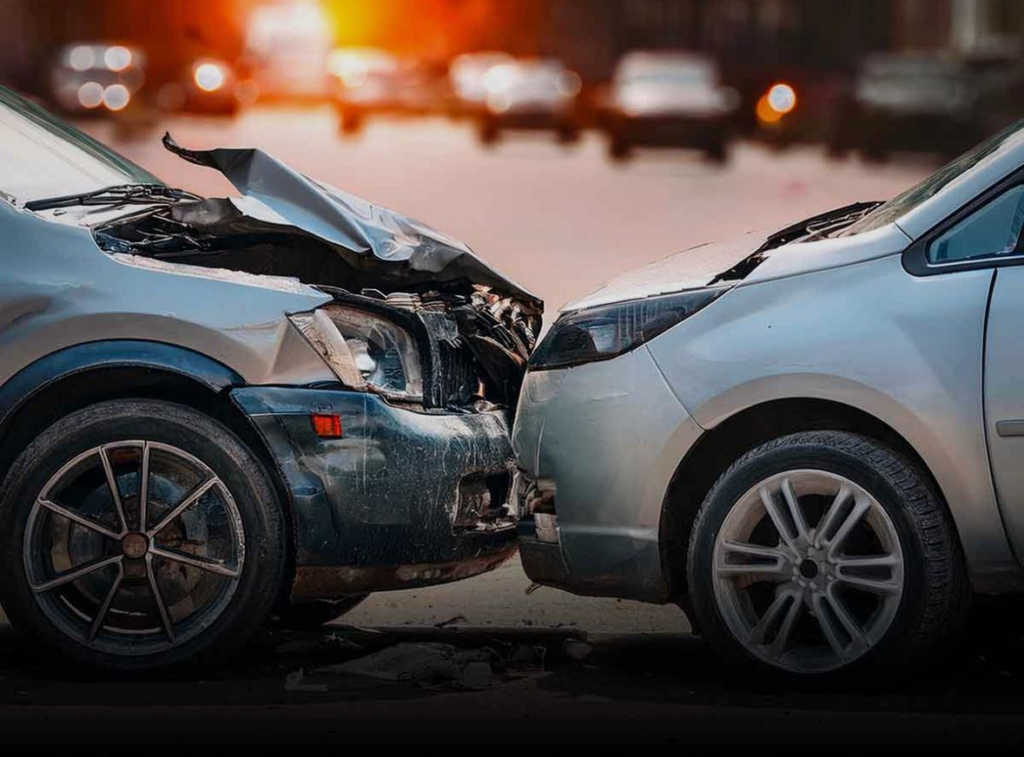
India’s road safety data paints a worrying picture. Thousands of accidents annually are attributed not merely to infrastructure gaps, but to human behavior — impatience, non-compliance, and overconfidence. Urban planning challenges add pressure: mixed traffic systems, rapid vehicle growth, and legacy city layouts strain capacity. Yet the deeper issue remains psychological.
Traffic behavior mirrors governance and social trust. Where rule-breaking carries little immediate cost, compliance weakens. Where enforcement is visible and consistent, behavior adjusts. Interestingly, Indians abroad are known to follow traffic norms strictly, suggesting that the issue is not cultural incapacity but environmental conditioning. Experts argue that India must shift from improvisation to informed decision-making from jugaad to judgment.
Cultural Mindset :
India
- High jugaad culture
- Individual survival instinct
- “If I don’t go first, I’ll get stuck”
- Low trust in system
China
- Collective compliance
- State authority respected
- High fear of consequences
- System-first mentality
What Futuristic Road Planning Should Include:
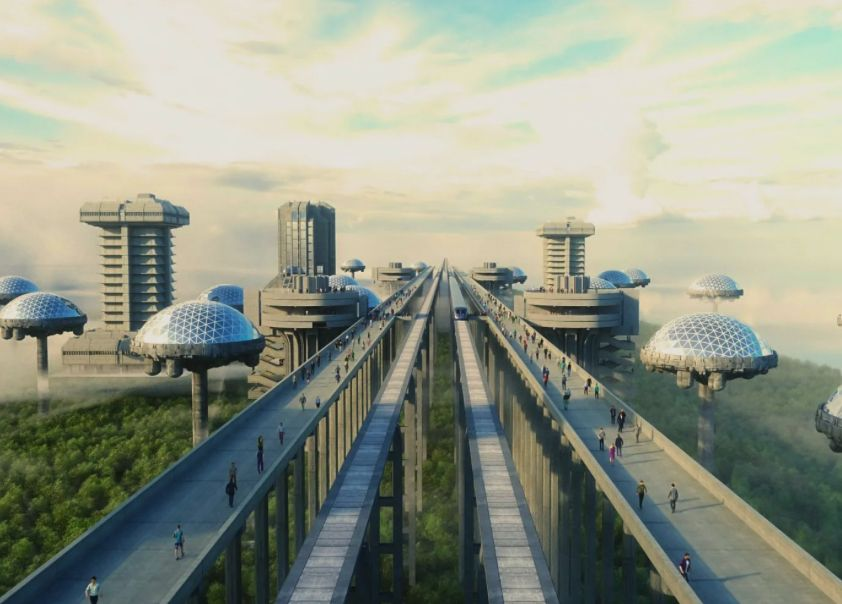
- Capacity Designed for 20–30 Years Ahead
- Dedicated Corridors
- Intelligent Traffic Systems
- Parking Infrastructure
- Public Transport First Policy
- Pedestrian-Centric Urban Design
- Transparent & High Remuneration package for land acquisitions
Conclusion :
India as a country aiming for $5 trillion and beyond, infrastructure cannot be retrofitted endlessly. It must be visionary. India has to master not only innovation through improvisation but also
mastering civilization through structured planning. Because development is not merely about building roads — it is about building systems that future generations follow & can drive on safely.
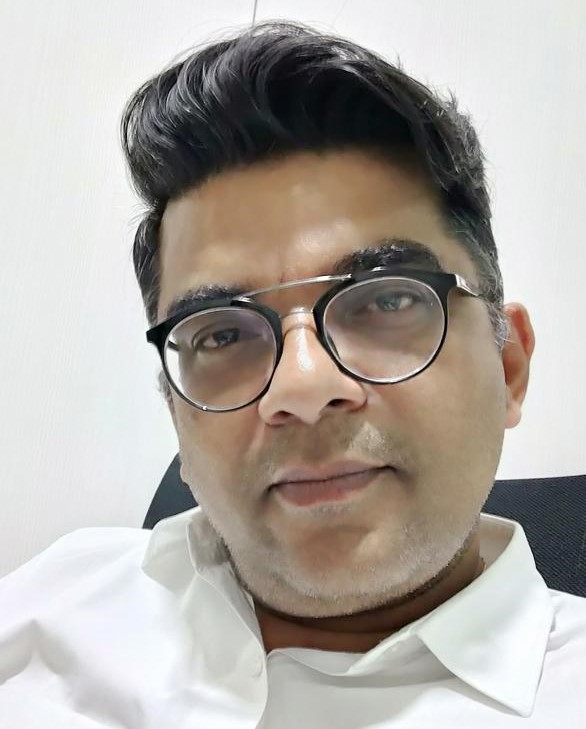
Business Correspondent
Ananth Peravally is a Sales & Marketing professional with over 30 years of experience in the FMCG sector. He has worked across leading Indian and multinational organizations, including Parle, Kellogg’s, Godfrey Phillips, GEF, and Bunge. He has been instrumental in the launch, growth, and turnaround of key brands, notably Kellogg’s Chocos, GPI’s Four Square Cigarettes, GEF’s Freedom Rice Bran Oil, Bunge’s Fiona Sunflower Oil in different states of South & West India. He holds a Bachelor of Arts degree and PGDMM. Expert in brand building, go-to-market strategy, and sales execution in competitive consumer markets.
Email: ananthperavally@gmail.com
Mobile: 9391054297


Good one Ananth 😉
Lot of truth and honesty in this article — absolutely loved it. 👏
It clearly reminds us that a nation doesn’t grow by numbers alone, but by the discipline and responsibility of its people.
Simple, powerful, and thought-provoking. Truly impressive.