
The Indian government has introduced a significant and progressive shift in its approach to the upcoming Census 2027. In a move that reflects changing societal norms, the government has decided to officially recognize live-in couples as a “family” unit, provided the partners consider their relationship stable and long-term. This inclusion marks a departure from traditional census definitions and will be integrated into the data collection rules for the upcoming national exercise.
Phase 1: House Listing and Housing Census
The massive undertaking of the national census will begin with its first phase the House Listing and Housing Census scheduled to take place between April 1 and September 30, 2026. During this six-month window, enumerators will visit households nationwide to ask a total of 33 specific questions.
A key highlight of this phase is the documentation of married couples. Under the new guidelines, officials will now include live-in couples in this category if they identify as a stable household. This decision is expected to provide a more accurate demographic picture of modern Indian urban and semi-urban society, where cohabitation without formal marriage is becoming increasingly common.
Comprehensive Data Collection
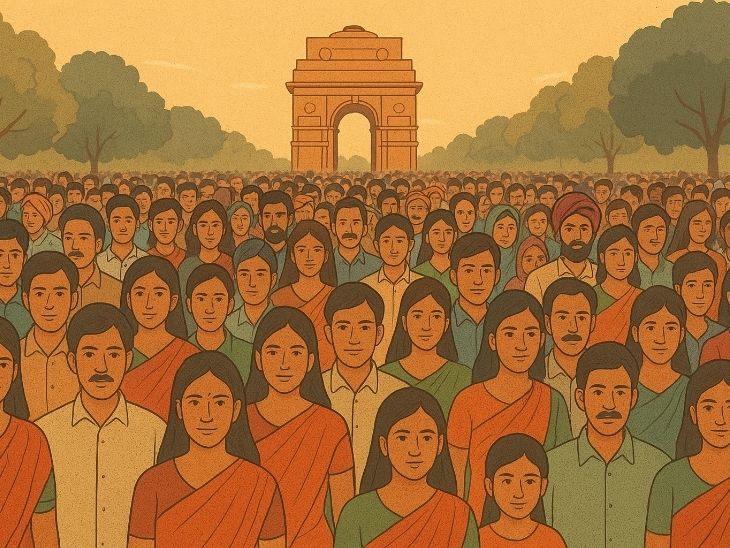
Beyond the composition of the family, the first phase focuses heavily on living standards and infrastructure. Officials will collect detailed information regarding:
- Household Ownership: Details of the head of the family and ownership status.
- Living Conditions: The materials used in house construction, access to drinking water, electricity, and LPG connections.
- Digital Connectivity: The usage of smartphones, laptops, and internet access within the home.
- Lifestyle Indicators: Ownership of vehicles and the primary food grains consumed by the family.
The Move Toward Digital Enumeration
For the first time, the government is leaning heavily into technology to streamline the process. A “Self-Enumeration” portal will be launched, allowing citizens to log in and fill out their details online. This digital-first approach aims to reduce manual errors and speed up the data processing timeline, making the census more efficient and user-friendly for the tech-savvy population.
Phase 2: Population Enumeration
Once the housing data is finalized, the second phase Population Enumeration is set to commence in February 2027. This stage will involve the actual counting of individuals and their specific demographic details. While there has been significant public discussion regarding a Caste Census, the government is expected to provide official clarity on whether caste-based data will be collected just before the second phase begins.
By recognizing diverse family structures and embracing digital tools, Census 2027 is shaping up to be one of the most comprehensive and modern demographic exercises in India’s history.
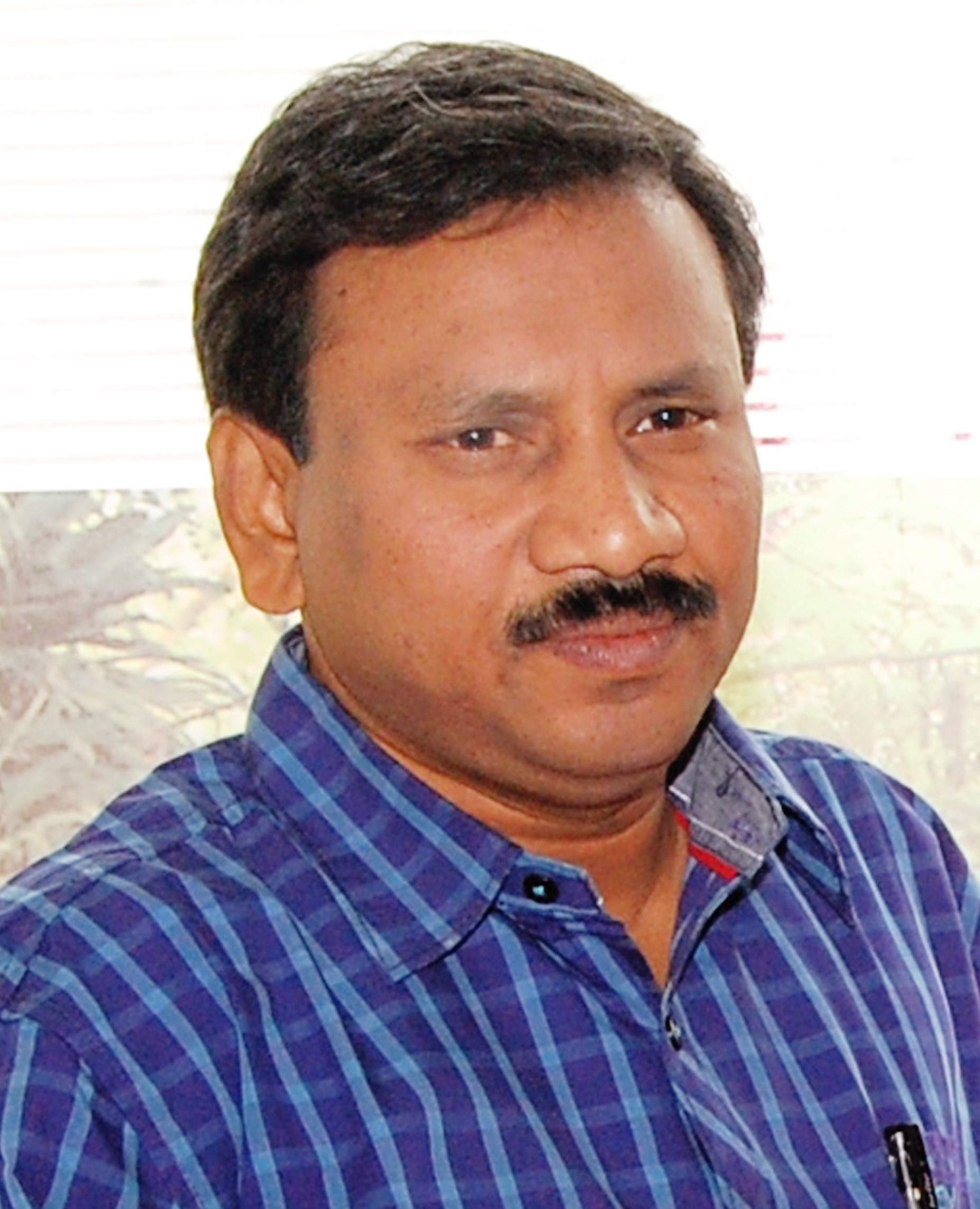
Senior Journalist
Anand Gantela is a seasoned media professional with nearly three decades of experience across the spectrum of Indian journalism. Having worked extensively in both print and broadcast media, he has held key positions at renowned outlets such as Prajashakthi, Andhra Bhoomi, Mudra, Media India, Siti Cable, Mana Telugu, and Maa TV. From ground-level reporting to managing news bureaus and overseeing bulletin production, Anand has witnessed the evolution of news firsthand. His wealth of experience reflects a deep understanding of the dynamic and ever- evolving landscape of news reporting.
Email: gantela.anand@gmail.com
Mobile: 7893549889


It’s worthy item to be discussed. We never knew this kind of life in India. But as the changes have been taken place in our Society, we should also adapt system as per changes taken place. It’s good treating them (live in relation) as a family, considering them into main stream of life.