Can a 5-Day Pause Pave the Way for Peace?
Suspected involvement of Russia in Change of US mind
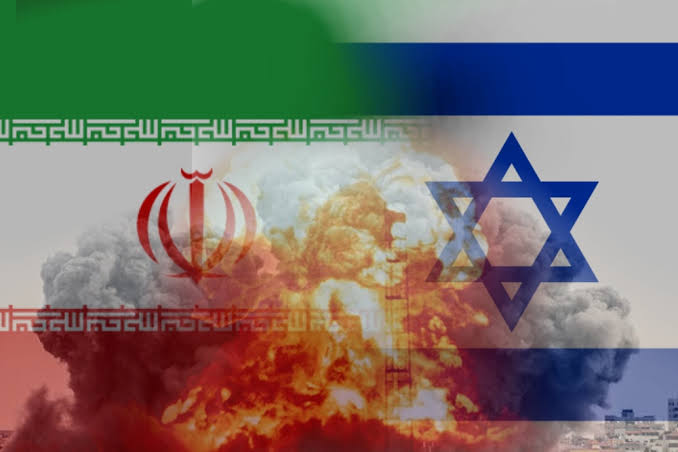
The 25-day conflict in West Asia, primarily involving the U.S., Israel, and Iran, has evolved into a systemic global crisis, resulting in over 3,200 deaths and the displacement of millions. However, the situation reached a sudden pivot today, March 23, 2026, as U.S. President Donald Trump announced a five-day halt to military operations targeting Iranian power plants and energy infrastructure. Citing “very good and productive” talks with Tehran aimed at a total resolution of hostilities, the U.S. has temporarily shelved an ultimatum to “obliterate” Iran’s energy grid. While the Strait of Hormuz remains effectively closed, this diplomatic pause has triggered an immediate 14% drop in global oil prices, bringing Brent crude down to approximately $96 per barrel as markets react to the possibility of a ceasefire. It is suspected the initiative of Russia in de-escalating of tensions in West-Asia war. Surprisingly, Israel begins strikes in Infra projects of Iran after Trump’s announcement on Pause.
While the primary combatants are at the center, the “pain” is radiating outward, severely affecting neutral nations—particularly the Gulf Cooperation Council (GCC) states like the UAE, Saudi Arabia, Qatar, and Bahrain and other countries like India, South Korea and China.
Iran’s $500 Billion Deficit: The Economic Cost of 25 Days of War
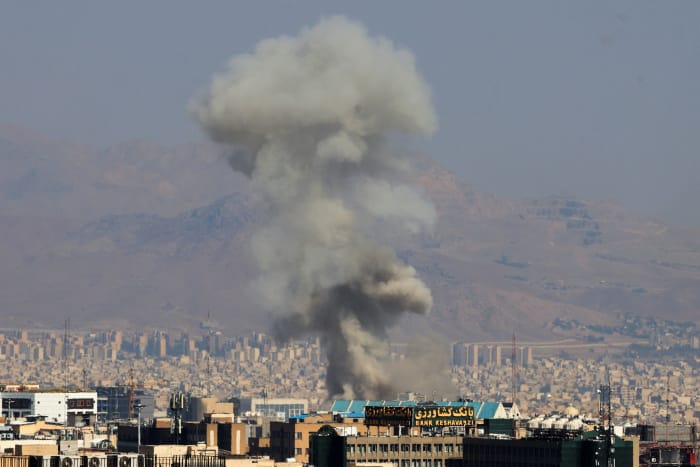
Experts estimate that rebuilding Iran’s infrastructure—damaged by both the June 2025 conflict and the current March 2026 strikes—could exceed $500 billion. Tens of billions of dollars in damage have been sustained by the IRGC’s missile production complexes, ammunition depots, and nuclear enrichment facilities (notably at Natanz and South Pars). The Iranian Rial has faced a “death spiral,” with domestic inflation exceeding 60%. This has effectively wiped out the purchasing power of the middle class and frozen most non-war-related domestic commerce.
Israel: The Massive Fiscal Fallout of ‘Operation Lion’s Roar’
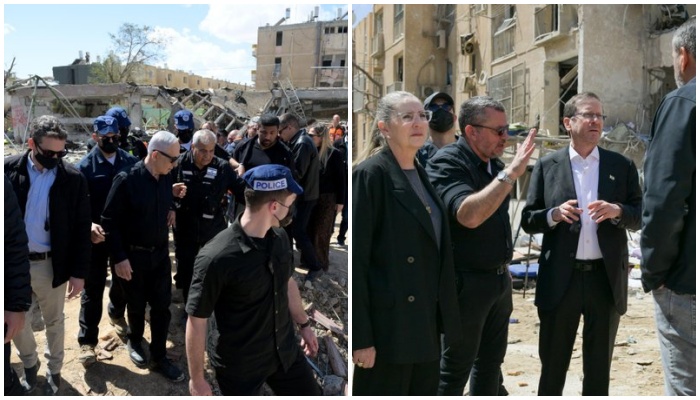
In just the first 20 days, the Israeli military spent approximately $6.4 billion, averaging nearly $320 million daily. The total allocated war budget of $12.5 billion is already facing a deficit, with the government approving an emergency $825 million specifically for interceptor missiles like the Iron Dome and Arrow systems. The Finance Ministry reports a weekly loss of $3 billion due to nationwide “red alert” restrictions.
The “Sticker Price”- US
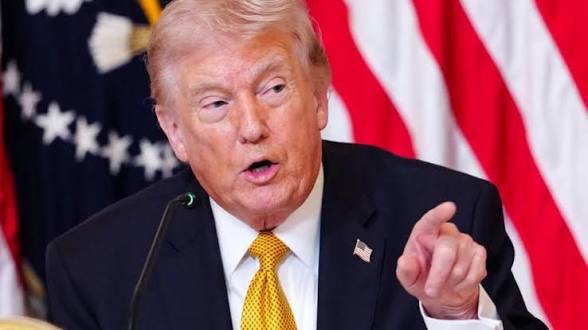
The Pentagon confirmed that the first week alone cost $11.3 billion. By day 25, independent analysts at the Center for Strategic and International Studies (CSIS) estimate the total has surged past $22 billion. The U.S. has fired over 300 Tomahawk missiles (costing $3.5 million each) and spent roughly $6 billion on high-end interceptors like THAAD and SM-3 to counter Iranian retaliatory strikes. The U.S. has confirmed the loss of a KC-135 refueling tanker in Iraq and damage to at least 17 military sites across the region, including Prince Sultan Air Base in Saudi Arabia. Strikes on the Abadan refinery and the South Pars natural gas field have crippled domestic energy production, with repairs to high-tech gas infrastructure expected to take years and cost billions.
The “Neutral” Victim: The GCC
For the Gulf Cooperation Council nations including UAE, Behrain, Saudi Arabia and others, the war is a “triple threat” to their economic diversification models: Infrastructure and Security: Despite their neutrality, these countries have seen missiles target civilian airports, hotels, and desalination plants. Since the region relies on the Strait of Hormuz for 80–90% of its food imports, the blockade has triggered a “grocery supply emergency.
“Energy Paralysis: Major entities like Qatar
Energy have declared force majeure as the Strait remains impassable. This has caused local production drops exceeding 10 million barrels per day, stripping these nations of their primary revenue source. Global hubs like Dubai and Doha have seen near-total cessations of operations, shattering their image as safe havens for international travel and investment.
The Global Ripple Effect
Beyond the Gulf, roughly 20 nations are paying a heavy price. Energy-dependent economies in Asia (India, South Korea, Thailand) and Europe (Germany, Italy) are facing “stagflation”—a lethal mix of stagnant growth and soaring inflation.India: Is grappling with a 40% jump in crude oil prices, a record-low Rupee, and a massive disruption in the supply of fertilizers needed for its agricultural season.
Europe
Facing its second major energy crisis in years, industrial giants in the UK and EU are imposing 30% surcharges due to the loss of Qatari LNG.Ultimately, the war has proven that in a hyper-connected world, there are no “non-war” nations when the world’s most critical energy and trade artery is severed.
While nations like Russia have seen a temporary windfall of $150 million/day due to diverted trade, the rest of the world is paying a “war surcharge” that threatens to trigger a global stag-flationary spiral.

Editor, Prime Post
Ravindra Seshu Amaravadi, is a senior journalist with 38 years of experience in Telugu, English news papers and electronic media. He worked in Udayam as a sub-editor and reporter. Later, he was associated with Andhra Pradesh Times, Gemini news, Deccan Chronicle, HMTV and The Hans India. Earlier, he was involved in the research work of All India Kisan Sabha on suicides of cotton farmers. In Deccan Chronicle, he exposed the problems of subabul and chilli farmers and malpractices that took place in various government departments.
Email: ravindraseshu7@gmail.com
Mobile: 9063718675