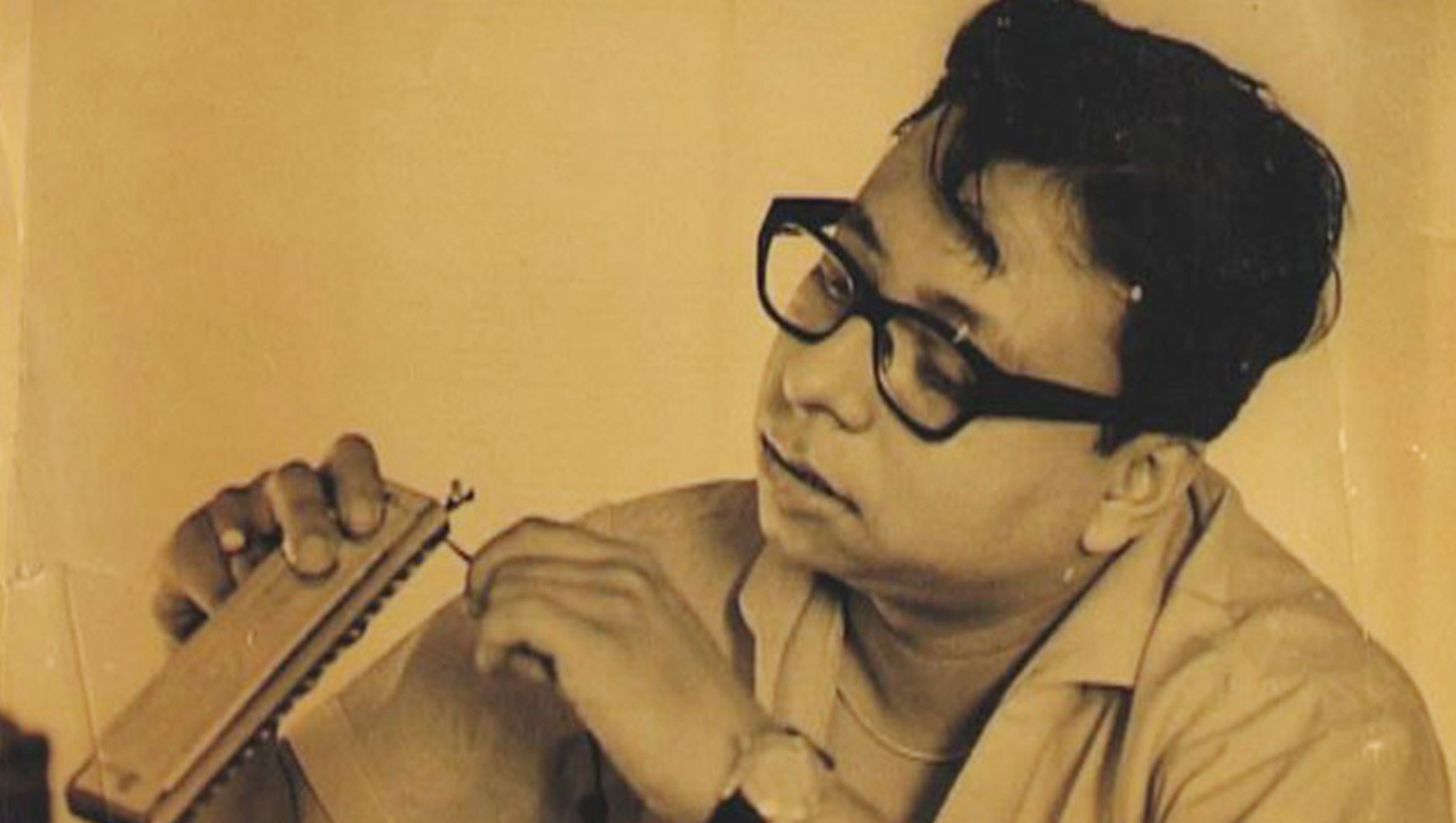
Rahul Dev Burman, affectionately known as “Pancham Da,” was not just a music director; he was a revolution. Born on June 27, 1939, to the legendary S. D. Burman and Meera Dev Burman, he didn’t just inherit a musical legacy he dismantled and rebuilt it. Over a career spanning nearly five decades, R. D. Burman became the “Father of Modern Bollywood Music,” blending Hindustani classical roots with global sounds to create a genre-defying aesthetic.
The Architect of a New Sound
Pancham’s arrival signaled a seismic shift in Indian cinema. Before him, film music was largely dominated by traditional melodies. Burman changed the DNA of the industry by introducing ‘fusion’, mixing Indian classical music with Jazz, Rock, Disco, and Latin rhythms. He was a master of “found sound.” Long before digital sampling, he used everyday objects—cups, spoons, sandpaper, and even blowing into beer bottles—to create iconic textures. Whether it was the rhythmic panting in “Duniya Mein Logon Ko” or the clinking glasses in “Chura Liya Hai Tumne,” his experimental spirit was boundless.
Versatility: From High-Octane Rock to Soulful Ragas
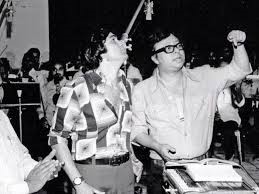
R. D. Burman’s genius lay in his range. He could ignite a dance floor with the frantic, brass-heavy energy of “Aaja Aaja Main Hoon Pyar Tera” (Teesri Manzil) and, in the same breath, compose the hauntingly complex Hindustani classical track “Beeti Na Bitayi Raina” (Parichay). His collaboration with Gulzar in films like Aandhi produced some of the most poetic melodies in history, such as “Tere Bina Zindagi Se Koi Shikwa Toh Nahi.” Meanwhile, his work in Sholay, Yaadon Ki Baaraat, and ‘Hare Rama Hare Krishna’ defined the “cool” of the 1970s. He formed a legendary “holy trinity” with singers ‘Kishore Kumar’ and ‘Asha Bhosle’, a partnership that gave Bollywood its most enduring hits.
Key Milestones and Legacy
The journey of R. D. Burman is a saga of prodigious talent and enduring influence. His musical spark ignited early; he composed his first tune at the tender age of nine, a melody so promising that his father, S. D. Burman, later utilized it for the song “Aye Meri Topi Palat Ke Aa” in the film Funtoosh. He made his official debut as an independent music director in 1961 with Mehmood’s Chhote Nawab, marking the beginning of a career that would redefine the industry.
Recording studio like a playground
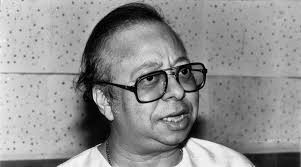
The 1960s through the 1980s represented his “Golden Era,” a period where he treated the recording studio like a playground for innovation. During these decades, his “sonic Midas touch” turned films like Kati Patang, Amar Prem, and Don into massive successes, as audiences became obsessed with his unique ability to blend soulful Indian melodies with western arrangements. Beyond his compositions, his personal life and accolades reflect his deep-rooted connection to the craft. He was a master of the Sarod, Harmonica, and Tabla, and his personal partnerships were equally musical—most notably his 1980 marriage to legendary singer Asha Bhosle.
Score of 1942: A Love Story
His career trajectory saw a poignant “Final Act” in the early 1990s. After a brief period of professional lull, he orchestrated a triumphant comeback with the soulful, orchestral score of 1942-A Love Story. Tragically, he passed away on January 4, 1994, before he could witness the film’s massive impact. The soundtrack earned him a posthumous Filmfare Award for Best Music Director in 1995, adding to his previous wins for Sanam Teri Kasam (1982) and Masoom (1984). Even today, his work remains the blueprint for modern Bollywood music, continuing to inspire composers decades after his final note.
R. D. Burman was a visionary who looked at a screen and heard possibilities others couldn’t imagine. Today, his tracks are remixed, sampled, and worshiped by new generations, proving that while the man is gone, the “Pancham” beat goes on forever.
Principal Correspondent, Prime Post
Vidya Sagar Chaturvedula is a passionate film enthusiast whose four-decade career spans multiple sectors, including media and industry. Fluent in Telugu, Hindi, and English, he has a deep appreciation for cinema, particularly films in those three languages. His passion goes beyond simple viewing; he enjoys analyzing directional skill, the emotional depth of actors’ performances, and the profound meaning embedded in dialogue. Mr. Sagar is known for his ability to clearly articulate and narrate his insightful film analyses after watching a movie.
Email: sagar.chaturvedula@gmail.com
Mobile: 9030702917




If I may claim to be his hard-core fan, yes it is! Panchamda is the fond name he got from the music fraternity, perhaps it denote the notes he specialised in his music version. One song that lingers on mind since my childhood even ‘rookh jana o’ jana humse do baatein karke chali jaana’ from Warrant – dev hero; and infact there were hundreds! to memorize ‘Hum Kisise Kum Nahin, Yadonki Bharat, Hare Rama Hare Krishna, Sholay’ and what not! every tune he did was unique. I think it’s not wrong to learn from popular tunes whether it’s western or Indian, it’s in owning, memorizing, and reproducing added with some creativity that matters the most. He really did revolutionarize the music world. Thanks for the post.
RD Burman is a great musician. He has composed many superhits songs in hindi cinema. Some of my favorite of his music compositions are
Chura liya hai tumne jo dil ko
Meri bheegi bheegi se
Tere bin zindagi se koi
Do lafzon ki hai dil ki kahani
Raat kali ek khwaab me aayi
Kya hua Tera wada
Aane wala pal
Ek ladki ko dekha toh
Dilbar mere…
There are many more countless list of songs. His composed songs are simply superb.
Good narration Sagar.
RD Barman was a legendary Music director and he has given so many hit songs in the Hindi films.. He received so many awards. He composed so many melody songs and till now we remembered them . Nice to make him recollect. Thank you
Good narration Sagar.
RD Barman was a legendary Music director and he has given so many hit songs in the Hindi films.. He received so many awards. He composed so many melody songs and till now we remembered them . Nice to make him recollect. Thank you
Good narration Sagar.
RD Barman was a legendary Music director and he has given so many hit songs in the Hindi films.. He received so many awards. He composed so many melody songs and till now we remembered them . Nice to make him recollect. Thank you
One of the greatest and successful musician from bollywood. Nice review
Nice review…
Good
RD is a brand name of Music in the late 60’s to 90’s. So many melodies n fast beats on his back.
Teri bin, churalia, yadonki barat, hum kisi se, hare rama hare Krishna n Sholay played remarkable movies n songs.
I personally like his songs very much. His popularity is ever green.
One of the Music legends of that era n forever.
Sir I like RD Burman ror his all-round music
Son of great S D Burman
All most all his songs were enjoyed Beats are very superb
No one will forget sholay film
People used to go to movie if
Music is of RD Burman
Great Guy sir.
Rd Burman changed the crouse of Indian film music blending rock and classical music with an effortlessly ease all his compositions are gems and it’s like honey to ear to true music lovers from past to present generations
Nice review.
Nice review
He inherited a legendary musical standard which he did his best to match. Fusion of classical to modern was at times popular at times so so. But he did make a name for himself as his own.
Counting nice songs composed by RD Burman sir is as difficult as counting stars in the sky.kishore Kumar Asha Bhonsle and Burman made miracles in music.Very nice review sagar garu