- Prime Post’s 30-Month Prediction Validated
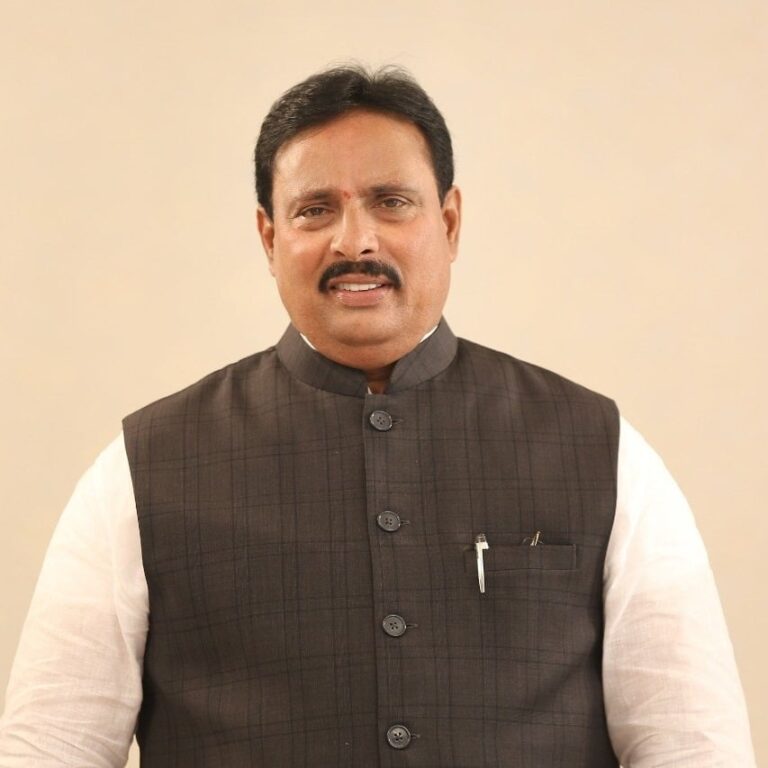
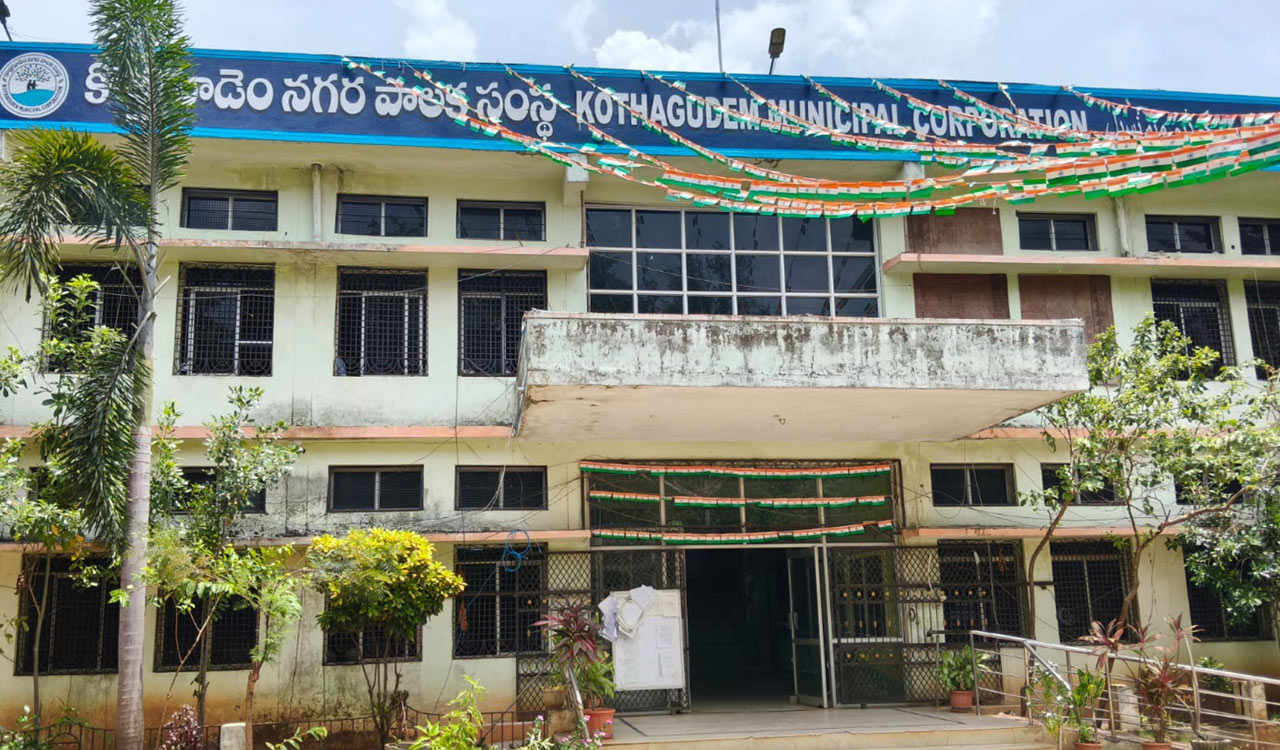
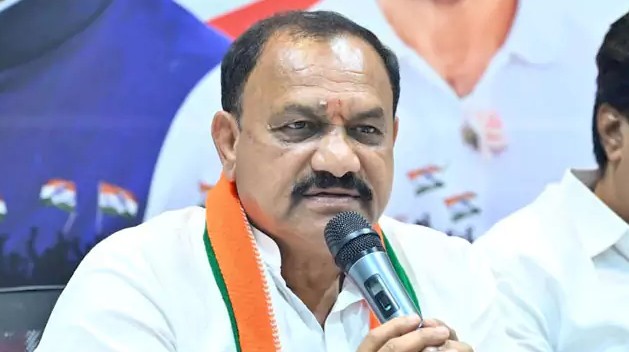
Following the recently concluded municipal elections in Telangana, a significant political breakthrough has occurred in the Kothagudem Municipal Corporation. The Congress and the Communist Party of India (CPI) have officially reached a power-sharing agreement to govern the industrial town. This strategic move was necessary as the election resulted in a hung verdict, with neither party securing a clear majority on its own. To resolve the deadlock, both parties have agreed to a “30-month formula,” where the leadership roles will be split equally over the five-year term. This pact was formally announced by the Telangana Pradesh Congress Committee (TPCC) President, Mahesh Kumar Goud, on Saturday night, bringing much-needed clarity to the local political scene.
The Power-Sharing Formula
According to the agreement, the five-year tenure for the leadership of the corporation will be split equally between the two parties. Both parties have agreed to hold the positions of Mayor and Deputy Mayor for two and a half years each.
- First Half (Initial 2.5 Years): The CPI will hold the prestigious Mayor post, while the Congress will take the Deputy Mayor position.
- Second Half (Remaining 2.5 Years): The roles will be reversed, with the Congress candidate serving as the Mayor and a CPI representative taking over as the Deputy Mayor.
Election Results and the Path to Alliance
The Kothagudem Municipal Corporation (KMC), which was recently upgraded from a municipality, saw its first-ever corporation elections witness a neck-and-neck battle. Out of the 60 divisions in the corporation:
- CPI secured 22 seats.
- Congress also secured 22 seats.
- BRS won 8 seats.
- The remaining seats were won by the BJP, CPI(M), and Independent candidates.
With the magic figure for a majority set at 31, the tie between the CPI and Congress made an alliance inevitable. While the Bharat Rashtra Samithi (BRS) had reportedly offered support to the CPI to keep the Congress out of power, the CPI state secretary Kunamneni Sambasiva Rao chose to align with their traditional ally, the Congress, keeping in line with the broader political climate in the state.

The decision to divide the five-year tenure into two equal halves of two and a half years each is being viewed by political analysts as a masterstroke of diplomacy. This “win-win” situation allows both parties to satisfy their core voter bases and reward their senior leaders with powerful administrative positions. For the CPI, securing the Mayor’s post in the first term is a massive symbolic victory, as Kothagudem has historically been a “Red Bastion.” It reinforces their relevance in the coal belt region and gives them the first opportunity to shape the new corporation’s development.
For the Congress, this agreement is equally beneficial as it ensures political stability without alienating a crucial ally. By agreeing to the 30-month split, the Congress has successfully prevented the Bharat Rashtra Samithi (BRS) from creating a rift between the two allies. Although the BRS reportedly tried to offer support to the CPI to sideline the Congress, the CPI leadership remained loyal to the state-level alliance. This formula ensures that the Congress remains a dominant partner in the local government for the full five-year term, eventually taking the top seat in the second half. It reflects a mature approach to coalition politics, prioritizing long-term cooperation over immediate total control.
Validation of Prime Post’s Prediction
This outcome also serves as a major validation for the news portal Prime Post, which had accurately predicted this exact 2.5-year power-sharing model well before the official announcement. Their reporting highlighted that a rotation-based system was the only logical way to balance the aspirations of both parties given the equal seat count. With both parties winning 22 seats each in the 60-division corporation, the “30-month formula” respects the mandate of the people who divided their support equally between the two allies. As the new administration prepares to take charge on February 16, 2026, the focus now shifts to how this dual-leadership model will function on the ground.
Senior Journalist
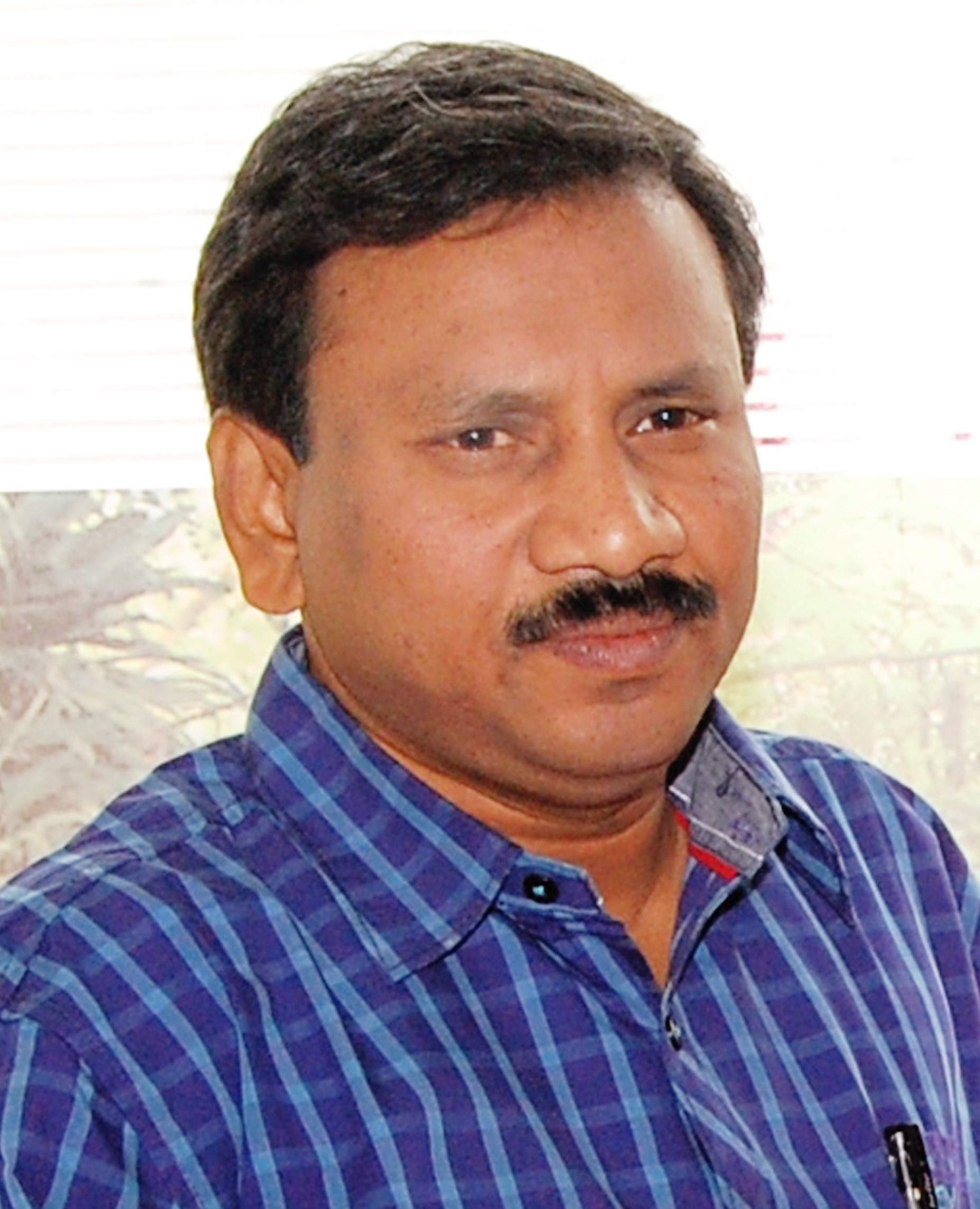
Anand Gantela is a seasoned media professional with nearly three decades of experience across the spectrum of Indian journalism. Having worked extensively in both print and broadcast media, he has held key positions at renowned outlets such as Prajashakthi, Andhra Bhoomi, Mudra, Media India, Siti Cable, Mana Telugu, and Maa TV. From ground-level reporting to managing news bureaus and overseeing bulletin production, Anand has witnessed the evolution of news firsthand. His wealth of experience reflects a deep understanding of the dynamic and ever- evolving landscape of news reporting.
Email: gantela.anand@gmail.com
Mobile: 7893549889