
The journey of India’s technological rise is reaching a new peak as Amaravati officially transforms into the nation’s “Quantum Valley.” On February 7, 2026, the foundation stone for the Amaravati Quantum Valley (AQV) was laid, marking a monumental shift in India’s deep-tech landscape. This initiative is not just a state-level project but a national mission to anchor India as a global leader in quantum science. By integrating advanced infrastructure with a robust research ecosystem, Amaravati is becoming the launchpad for a future where Indian scientists and engineers solve the world’s most complex problems using the power of qubits.
The Foundation of a New Tech Era

At the heart of this revolution is the installation of South Asia’s first IBM Quantum System Two. This machine, featuring the 156-qubit Heron processor, is a significant upgrade from classical supercomputers. It allows for “quantum advantage,” where calculations that previously took decades can be completed in minutes. To support such sensitive technology, the center includes specialized cryogenic facilities maintained at temperatures colder than outer space. This infrastructure, built in collaboration with L&T, ensures that India has the physical foundation to compete with global tech giants in the US and China.
Strategic Partnerships and Global Scale

The “anchoring” of this revolution is made possible through a high-powered alliance between the Andhra Pradesh Government, IBM, and Tata Consultancy Services (TCS). While IBM provides the hardware, TCS is developing the software layer and “Quantum Use Cases” for industries like finance, pharmaceuticals, and logistics. Furthermore, the establishment of the QChipIN—India’s largest open quantum testbed—allows startups and academic researchers to experiment with quantum algorithms without needing their own hardware. This open-access model is designed to democratize technology, ensuring that innovation isn’t restricted to a few large corporations.
Economic and Talent Transformation
Beyond the hardware, Amaravati is focusing on the most critical element: human capital. The state has launched an ambitious plan to train one million quantum experts and has already seen over 50,000 students participate in recent hackathons. With a dedicated ₹1,000 crore Quantum Fund, the valley aims to support 100 startups by 2030 and attract over $1 billion in global investment. By creating nearly 90,000 high-end jobs, Amaravati is mirroring the successful “Silicon Valley” model, ensuring that India’s best minds stay within the country to lead the next wave of the digital economy.
Securing India’s Future
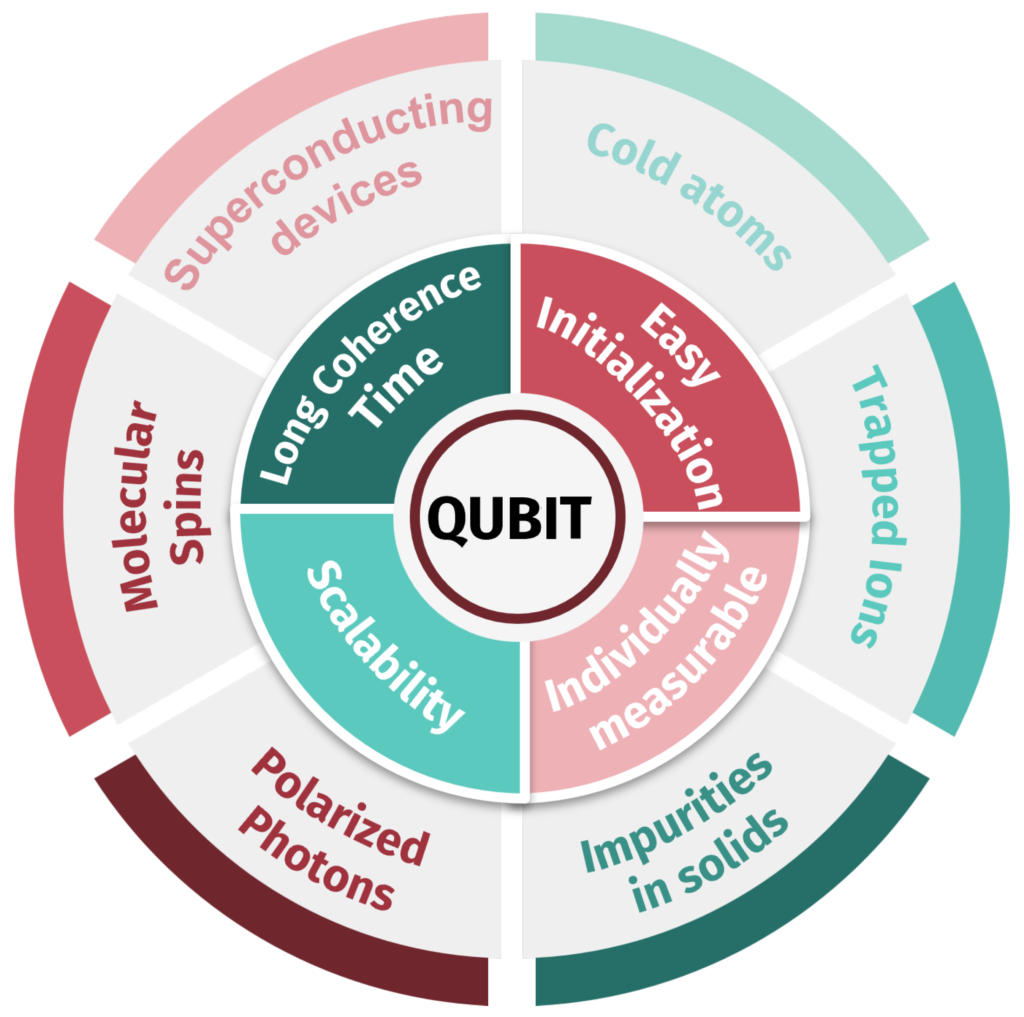
The revolution anchored in Amaravati also has a strong focus on national security. The center is a key player in the ‘QNu Project’, which focuses on quantum-safe communications and unhackable encryption. As global cyber threats evolve, the quantum-encrypted networks developed here will protect India’s defense and financial data. By combining economic growth, academic excellence, and national security, the Amaravati Quantum Center is proving to be the essential anchor that will hold India steady at the forefront of the global quantum race.

Senior Journalist
Anand Gantela is a seasoned media professional with nearly three decades of experience across the spectrum of Indian journalism. Having worked extensively in both print and broadcast media, he has held key positions at renowned outlets such as Prajashakthi, Andhra Bhoomi, Mudra, Media India, Siti Cable, Mana Telugu, and Maa TV. From ground-level reporting to managing news bureaus and overseeing bulletin production, Anand has witnessed the evolution of news firsthand. His wealth of experience reflects a deep understanding of the dynamic and ever- evolving landscape of news reporting.
Email: gantela.anand@gmail.com
Mobile: 7893549889