A 30-Year Phenomenon
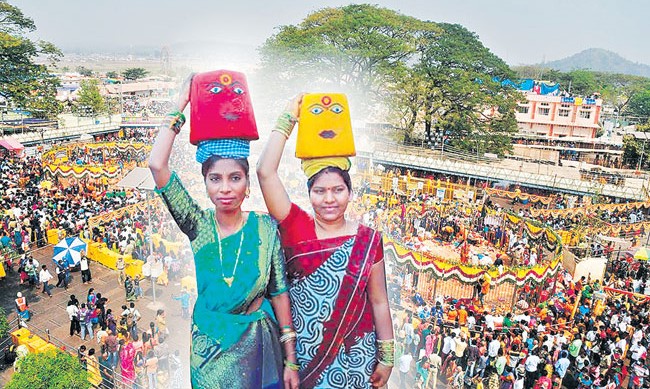
The Sammakka Saralamma Jatara (also known as the Medaram Jatara) is often described as the “Kumbh Mela of the South.” While its roots date back to the 13th-century resistance against the Kakatiya dynasty, its transformation from a local tribal gathering into a national spiritual titan occurred rapidly within the last three decades.
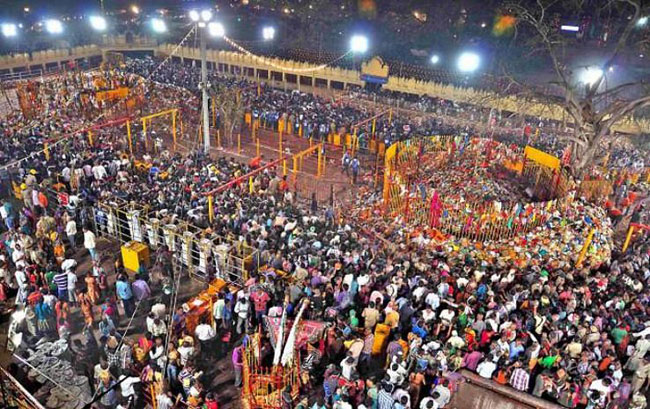
Today, the festival attracts between 1.5 to 2 crore (15–20 million) devotees over four days, with daily footfalls often crossing several lakhs during the peak of the celebration. The transition from a secluded forest ritual to a global event was driven by several strategic and social shifts.
State Festival Status (1996/1998)
The government of united Andhra Pradesh officially declared it a “State Festival” in the late 1990s. This unlocked significant budgetary allocations for infrastructure, including roads, permanent bridges over the Jampanna Vagu stream, and sanitation facilities. The expansion witnessed beyond Tribal Roots. Until 1955, the festival saw only a few thousand attendees, mostly from the Koya tribe. Over the last 30 years, it has transcended ethnic boundaries. Today, nearly 98% of attendees are non-tribal, coming from all castes and religions, drawn by the goddesses’ reputation for fulfilling vows.
Infrastructure and Accessibility
The development of the Eturnagaram Wildlife Sanctuary region and improved connectivity from major hubs like Warangal and Hyderabad allowed devotees from neighboring states (Maharashtra, Chhattisgarh, Odisha, and Karnataka) to reach the remote forest of Medaram more easily. The devotees considered the Goddess as Power of the Legend. The “rush” is fueled by the raw, human nature of the story. Unlike many Vedic festivals centered on cosmic deities, this Jatara honors human ancestors who fought for justice. Sammakka and her daughter Saralamma died fighting the Kakatiya King Prataparudra’s army to protest unjust taxes during a severe drought.
Unique Rituals- Rapid Attendance Growth
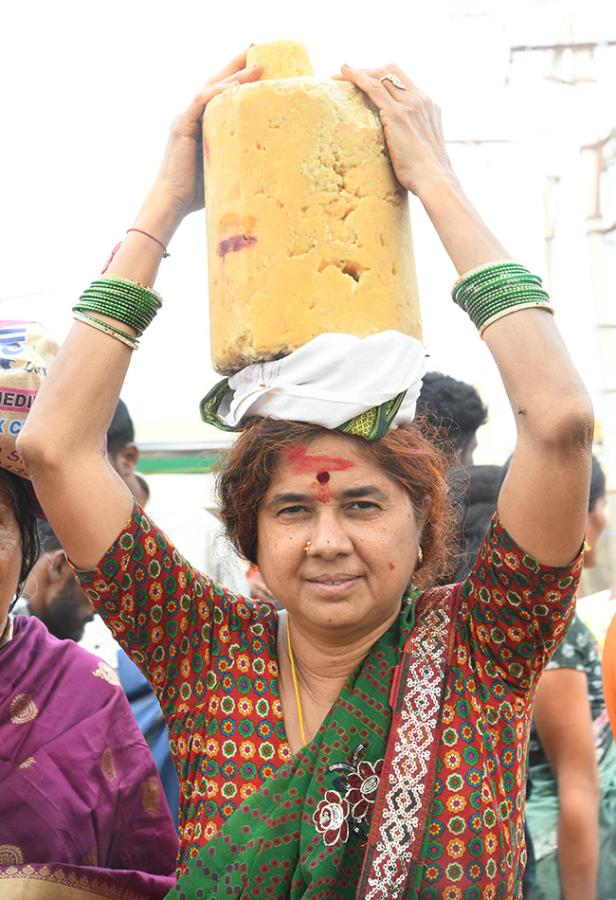
Devotees offer “Bangaram” (Jaggery) equal to their own body weight. There are no stone idols or Vedic priests; instead, the goddesses are represented by caskets of vermilion (Kumkum Bharani) and bamboo sticks, and rituals are led by Koya tribal priests. The scale of the “devotee rush” has grown exponentially, as shown by these milestones. The pilgrim rush was 10 lakh in 1990, primarily a regional pilgrimage. In 1998 the pilgrim rush was 30 to 40 lakh, declared as State festival and infrastructure begins. The devotee rush was 80 lakh to 1 crore in 2014 and massive surge is following due to Telangana movement. The rush touched to 1 to 1.5 crore in 2024 and 2026. The peak days see millions gathering simultaneously.
Current Status and National Recognition
Why the Rush is Unique
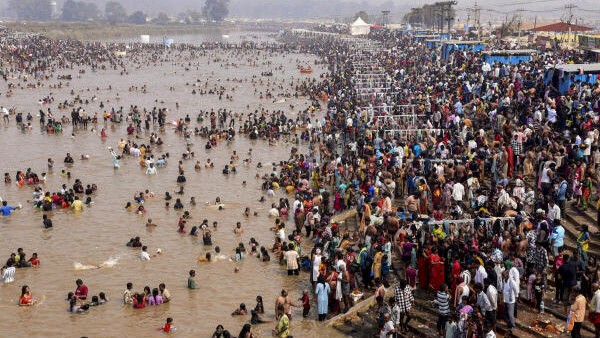
As of 2026, there is a strong, sustained movement to have the Jatara declared a National Festival by the Government of India. This would provide even more federal funding and potential UNESCO “Intangible Cultural Heritage” status, further cementing its place on the world stage. Unlike other major festivals, there is no permanent temple structure. For four days, a “temporary city” of tents and camps springs up in the Dandakaranya forest. The sheer density of people taking a holy dip in the red-tinted waters of Jampanna Vagu creates a visual spectacle that is now broadcast globally.

Editor, Prime Post
Ravindra Seshu Amaravadi, is a senior journalist with 38 years of experience in Telugu, English news papers and electronic media. He worked in Udayam as a sub-editor and reporter. Later, he was associated with Andhra Pradesh Times, Gemini news, Deccan Chronicle, HMTV and The Hans India. Earlier, he was involved in the research work of All India Kisan Sabha on suicides of cotton farmers. In Deccan Chronicle, he exposed the problems of subabul and chilli farmers and malpractices that took place in various government departments.
Email: ravindraseshu7@gmail.com
Mobile: 9063718675